Good oral hygiene habits begin in childhood. The routines children develop during their early years…
The Role of Parents in Children’s Dental Health
A child’s dental health begins at home, and parents play a crucial role in shaping lifelong oral hygiene habits. From the moment a baby’s first tooth appears, parental guidance, education, and support are essential for maintaining healthy teeth and gums. Good oral health during childhood not only helps prevent cavities and dental problems but also contributes to overall health, confidence, and well-being.
Understanding the role of parents in children’s dental health can help families establish healthy routines, encourage positive habits, and create a strong foundation for lifelong oral care.
Why Children’s Dental Health Matters
Healthy teeth are important for much more than a bright smile. Children’s teeth support proper chewing, speech development, facial growth, and self-confidence. Primary teeth, also known as baby teeth, act as placeholders for permanent teeth and help guide them into their correct positions.
Poor oral health during childhood can lead to:
- Tooth decay
- Gum problems
- Pain and discomfort
- Difficulty eating
- Speech challenges
- Increased risk of future dental issues
By taking an active role in their child’s oral care, parents can help prevent many of these problems.
Starting Oral Care Early
Dental care should begin even before the first tooth erupts.
Caring for Infant Gums
Parents can gently clean a baby’s gums using a soft, damp cloth after feedings. This simple habit helps remove bacteria and introduces the concept of oral hygiene from an early age.
The First Tooth
Once the first tooth appears, regular brushing becomes important. Using a soft-bristled toothbrush and a small amount of fluoride toothpaste appropriate for the child’s age can help protect developing teeth.
Early oral care helps establish healthy routines and reduces the risk of tooth decay.
Teaching Proper Brushing Habits
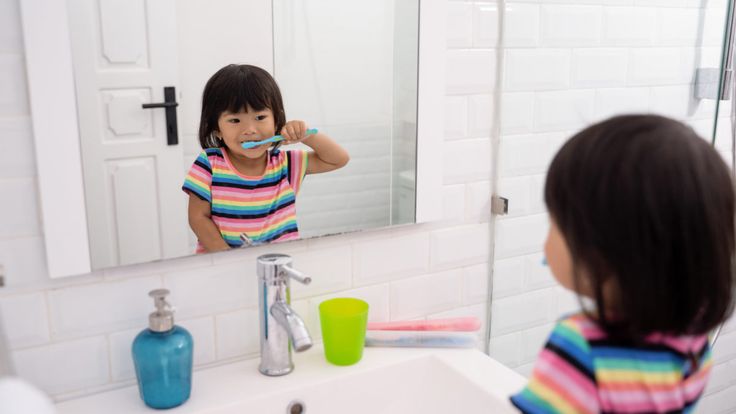
One of the most important responsibilities parents have is teaching children how to brush their teeth correctly.
Making Brushing a Daily Routine
Children should brush their teeth twice a day:
- In the morning
- Before bedtime
Parents should supervise brushing, especially for younger children, to ensure all tooth surfaces are cleaned properly.
Leading by Example
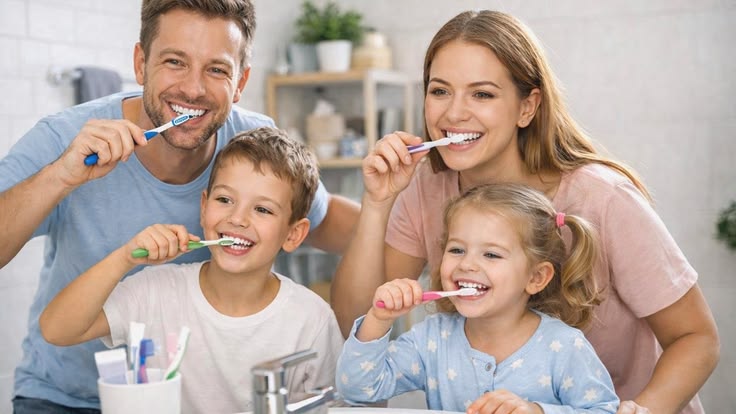
Children often imitate their parents’ behavior. When parents prioritize their own oral hygiene, children are more likely to develop positive attitudes toward dental care.
Brushing together can make oral hygiene a fun and engaging family activity.
Encouraging Healthy Eating Habits
Nutrition plays a significant role in children’s dental health.
Foods That Support Healthy Teeth
A balanced diet helps strengthen teeth and gums. Parents can encourage foods such as:
- Fresh fruits and vegetables
- Dairy products
- Whole grains
- Lean proteins
- Calcium-rich foods
These foods provide nutrients essential for healthy oral development.
Limiting Sugary Foods and Drinks
Frequent consumption of sugary snacks and beverages increases the risk of tooth decay. Sugars interact with bacteria in the mouth, producing acids that can damage tooth enamel.
Parents can help by:
- Offering healthier snack alternatives
- Limiting sugary treats
- Encouraging water instead of sweetened drinks
- Avoiding frequent snacking throughout the day
Healthy dietary habits benefit both oral and overall health.
Scheduling Regular Dental Visits
Routine dental checkups are an essential part of preventive care.
The Importance of Early Dental Appointments
Dental professionals can monitor oral development, identify potential concerns, and provide preventive care recommendations.
Regular visits help:
- Detect cavities early
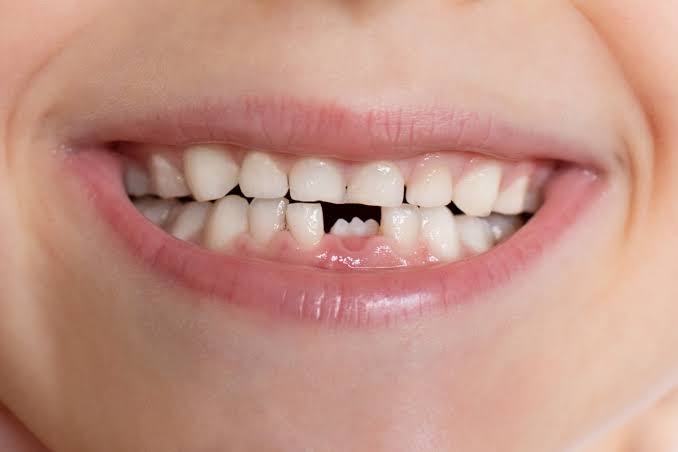
- Monitor tooth eruption
- Assess jaw development
- Reinforce oral hygiene education
- Promote positive dental experiences
Early dental care can help children feel more comfortable and confident during future appointments.
Preventing Tooth Decay
Tooth decay is one of the most common childhood health concerns, but it is often preventable.
Practical Prevention Strategies
Parents can help prevent cavities by:
- Encouraging daily brushing and flossing
- Supervising oral hygiene routines
- Promoting healthy eating habits
- Limiting sugary snacks and beverages
- Scheduling regular dental checkups
Consistent preventive care significantly reduces the risk of dental problems.
Monitoring Oral Habits
Certain childhood habits can affect dental development and alignment.
Common Habits to Watch
These may include:
- Thumb sucking
- Prolonged pacifier use
- Nail biting
- Tongue thrusting
While many of these habits are normal during infancy and early childhood, prolonged habits may impact tooth positioning and jaw growth.
Parents should discuss concerns with a dental professional if habits persist beyond recommended developmental stages.
Teaching the Importance of Flossing
Brushing alone may not remove food particles and plaque from between the teeth.
Introducing Flossing
As children grow and their teeth begin touching, parents should introduce flossing as part of the daily oral hygiene routine.
Flossing helps:
- Remove plaque between teeth
- Reduce the risk of cavities
- Support gum health
Children often require assistance with flossing until they develop the necessary coordination.
Creating Positive Dental Experiences
A child’s perception of dental care is often influenced by parental attitudes.
Reducing Dental Anxiety
Parents can help children feel comfortable about dental visits by:
- Speaking positively about dental care
- Avoiding frightening language
- Reading educational books about oral health
- Explaining procedures in an age-appropriate manner
Positive experiences encourage children to view dental care as a normal and beneficial part of life.
Recognizing Early Warning Signs
Parents are often the first to notice changes in their child’s oral health.
Signs That May Require Attention
These may include:
- Tooth sensitivity
- Tooth discoloration
- Persistent bad breath
- Swollen gums
- Difficulty chewing
- Tooth pain
Prompt evaluation can help address concerns before they become more serious.
Supporting Healthy Dental Development
Children’s mouths undergo significant changes as they grow.
Monitoring Growth and Development
Parents should pay attention to:
- Tooth eruption patterns
- Spacing between teeth
- Bite alignment
- Jaw development
Regular professional evaluations help ensure that oral development is progressing appropriately.
Building Lifelong Healthy Habits
Perhaps the most important role parents play is helping children develop habits that will last a lifetime.
Long-Term Benefits of Good Oral Hygiene
Children who learn proper oral care early are more likely to:
- Maintain healthy teeth and gums
- Experience fewer dental problems
- Practice regular preventive care
- Develop confidence in their smiles
These habits often continue into adulthood, supporting lifelong oral health.
At Kids Dentist UAE, patients receive expert care in pediatric dentistry and children’s oral health, led by experienced specialist Dr. Suhel Dabawala. The focus is on gentle, child-friendly dental care using advanced techniques to ensure comfort and a positive experience for every child. Services include preventive care, restorative treatments, and complete oral health support tailored to children’s needs. With a strong emphasis on safety, comfort, and personalized attention, Kids Dentist UAE is dedicated to building healthy and confident smiles for the future.
Book your appointment today
Related Posts