Teaching children about germs and teeth from an early age can help them develop healthy…
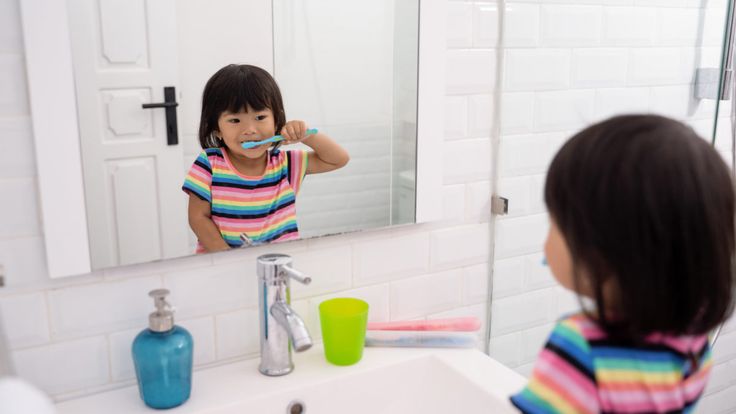
Hygiene Mistakes That Harm Kids’ Teeth
Good oral hygiene habits begin in childhood. The routines children develop during their early years can influence the health of their teeth and gums as they grow. However, some everyday hygiene mistakes may increase the risk of tooth decay, gum problems, bad breath, and other oral health concerns. Understanding Hygiene Mistakes That Harm Kids’ Teeth can help parents and caregivers create healthier routines and protect children’s smiles.
Skipping Regular Tooth Brushing
One of the most common mistakes is allowing children to skip brushing. Plaque can build up on teeth throughout the day, and regular brushing helps remove it.
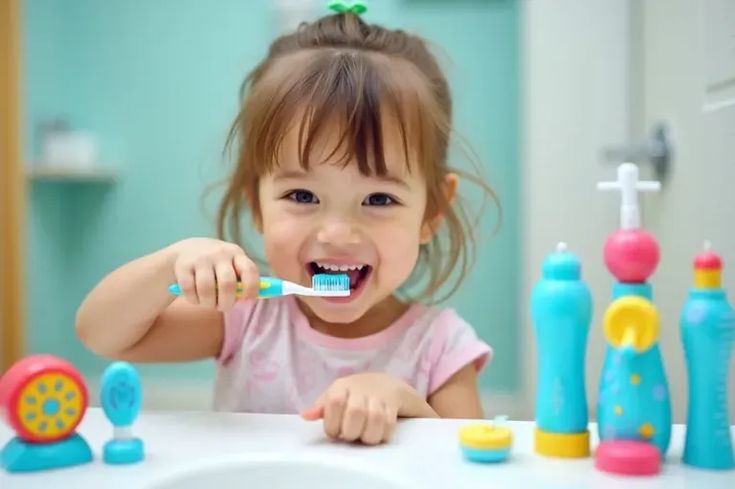
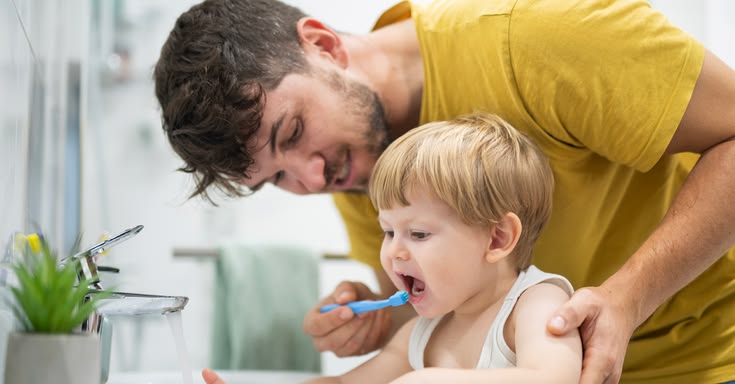
Children should generally brush their teeth twice a day using fluoride toothpaste appropriate for their age. Parents should supervise or assist young children who have not yet developed the ability to brush effectively on their own.
Brushing Too Quickly
Some children may brush their teeth for only a few seconds before stopping. Rushing can leave plaque behind, particularly around the back teeth and gumline.
Parents can encourage children to spend enough time brushing all tooth surfaces. A simple timer, song, or brushing app can make the routine easier and more engaging.
Using Too Much Pressure
Brushing harder does not necessarily mean cleaning better. Excessive pressure can irritate the gums and may contribute to tooth surface wear.
Children should be encouraged to brush gently using a soft-bristled toothbrush. Parents can demonstrate light pressure and supervise brushing when necessary.
Using an Unsuitable Toothbrush
A toothbrush that is too large, has hard bristles, or is difficult for a child to hold may make brushing less effective.
A child-friendly, soft-bristled toothbrush with an appropriately sized head can make it easier to reach different areas of the mouth. Toothbrushes should also be replaced when the bristles become worn.
Not Cleaning Between Teeth
As children’s teeth become closer together, brushing alone may not clean every area effectively. Food particles and plaque can accumulate between teeth and contribute to cavities.
Parents should ask a dental professional when and how to introduce flossing or other interdental cleaning methods based on the child’s dental development.
Allowing Children to Swallow Toothpaste
Young children may be tempted to swallow toothpaste because of its flavor. While fluoride toothpaste is important for cavity prevention, children should use an age-appropriate amount and learn to spit it out rather than swallow it.
Parents should supervise young children and follow professional recommendations regarding toothpaste use.
Giving Sugary Drinks Frequently
Frequent exposure to sugary drinks can increase the risk of tooth decay. This includes soft drinks, sweetened juices, flavored beverages, and other drinks containing added sugars.
Water is generally a better everyday choice. Limiting sugary beverages and avoiding frequent sipping throughout the day can help reduce the amount of time teeth are exposed to sugar.
Frequent Sugary Snacking
It is not only the amount of sugar that matters but also how frequently teeth are exposed to it. Constant snacking on sweets can provide oral bacteria with repeated opportunities to produce acids that affect tooth enamel.
Parents can encourage balanced meals and nutritious snacks while limiting frequent sugary foods.
Letting Children Sleep With Sugary Drinks
Putting a child to bed with a bottle or cup containing a sugary drink can expose the teeth to sugar for an extended period. This can increase the risk of early childhood tooth decay.
Parents should follow age-appropriate guidance regarding feeding and bedtime routines and avoid prolonged exposure of the teeth to sugary beverages.
Ignoring Baby Teeth
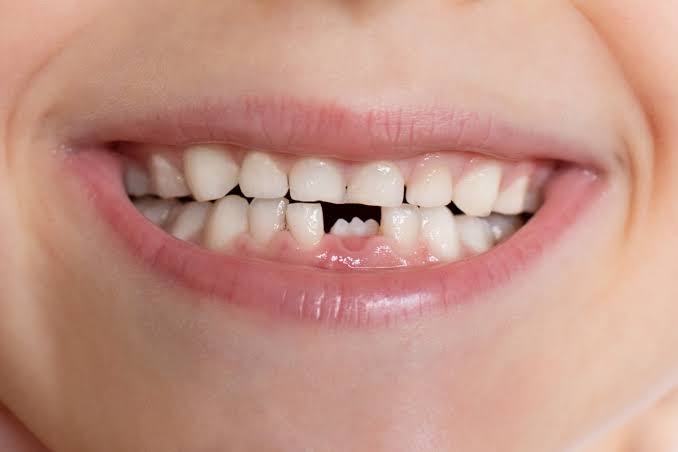
Baby teeth are sometimes overlooked because they eventually fall out. However, they are important for chewing, speech development, and maintaining space for permanent teeth.
Cavities in primary teeth can cause pain and may affect a child’s daily activities. Caring for baby teeth from the beginning is therefore an important part of childhood oral health.
Sharing Toothbrushes
Toothbrushes should not be shared between children or adults. Sharing can transfer saliva and microorganisms from one person’s mouth to another.
Each family member should have their own toothbrush and oral hygiene products.
Cleaning Toothbrushes Improperly
Toothbrushes should be rinsed after use and stored in a way that allows them to air dry. Keeping a wet toothbrush in a closed container for long periods can create an environment where microorganisms may grow.
Children should also be taught not to share their toothbrushes with others.
Avoiding Dental Visits
Some parents only schedule dental appointments when a child develops tooth pain. This can mean that problems are detected later than necessary.
Regular dental visits allow professionals to monitor children’s teeth and gums, provide preventive guidance, and identify potential problems early.
Using Teeth for the Wrong Purposes
Children may chew pencils, bite fingernails, open packages with their teeth, or chew on hard objects. These habits can potentially chip or damage teeth.
Parents can encourage children to avoid using their teeth as tools and provide safer alternatives when appropriate.
Neglecting Mouth Protection During Sports
Sports and active play can sometimes result in dental injuries. Children participating in contact or high-risk sports may benefit from wearing a properly fitted mouthguard.
Parents can discuss suitable mouth protection with a dental professional, especially if their child regularly participates in activities where facial injuries are possible.
Not Setting a Good Example
Children often copy the habits they see at home. If adults regularly skip brushing or rarely prioritize dental care, children may be less likely to develop strong oral hygiene routines.
Parents can lead by example by brushing their own teeth, making healthy food choices, and attending regular dental appointments.
Making Dental Care Scary
Using dental visits or tooth problems as threats can create fear and anxiety around oral care. Children should learn that brushing and dental appointments are normal ways of keeping their bodies healthy.
Positive language, encouragement, and age-appropriate explanations can help children develop a more comfortable attitude toward dental care.
Ignoring Early Warning Signs
Children may not always explain dental discomfort clearly. Parents should pay attention to signs such as tooth sensitivity, difficulty chewing, swollen gums, persistent bad breath, visible spots on teeth, or complaints of tooth pain.
Seeking professional dental advice when symptoms appear can help identify problems early.
Building Better Hygiene Habits
Avoiding common hygiene mistakes starts with creating a consistent routine. Children should brush twice daily with fluoride toothpaste, clean between teeth when appropriate, maintain a balanced diet, drink water regularly, and attend dental checkups.
Parents can make these habits easier by creating a predictable morning and bedtime routine and offering positive encouragement.
At Kids Dentist UAE, patients receive expert care in pediatric dentistry and children’s oral health, led by experienced specialist Dr. Suhel Dabawala. The focus is on gentle, child-friendly dental care using advanced techniques to ensure comfort and a positive experience for every child. Services include preventive care, restorative treatments, and complete oral health support tailored to children’s needs. With a strong emphasis on safety, comfort, and personalized attention, Kids Dentist UAE is dedicated to building healthy and confident smiles for the future.
Book your appointment today
Related Posts