Good oral hygiene habits begin in childhood. The routines children develop during their early years…
Helping Children Develop Healthy Dental Habits
Good oral health begins in childhood. The habits children learn at a young age often stay with them throughout their lives, making early dental care one of the most important investments parents can make in their child’s overall health and well-being. Developing healthy dental habits not only helps prevent cavities and gum disease but also supports proper oral development, speech, nutrition, and self-confidence.
Understanding the importance of helping children develop healthy dental habits can empower parents and caregivers to create positive routines that encourage lifelong oral health. With consistency, education, and encouragement, children can learn to care for their teeth and gums effectively from an early age.
Why Healthy Dental Habits Matter
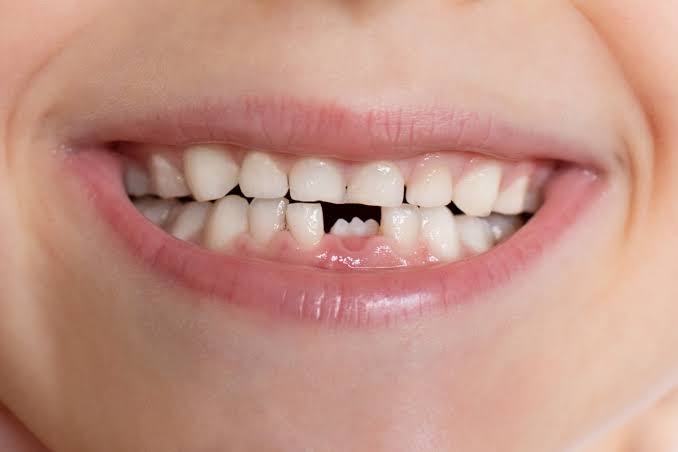
Children’s oral health affects more than just their smiles. Healthy teeth are essential for chewing food properly, speaking clearly, and supporting the growth of permanent teeth. Poor oral hygiene during childhood can lead to cavities, pain, infections, and dental problems that may affect overall health.
Establishing healthy dental habits early helps:
- Prevent tooth decay
- Maintain healthy gums
- Support proper oral development
- Promote confidence and self-esteem
- Reduce future dental treatment needs
- Encourage lifelong oral health practices
Parents play a crucial role in teaching and reinforcing these habits.
Start Dental Care Early
Dental care should begin before a child’s first tooth appears.
Caring for Infant Gums
Parents can gently clean their baby’s gums using a soft, damp cloth after feedings. This helps remove bacteria and introduces oral care as part of the daily routine.
Brushing the First Tooth
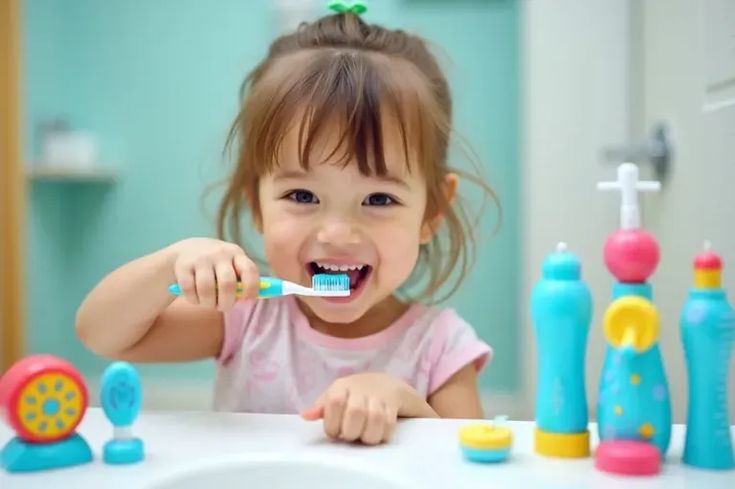
As soon as the first tooth erupts, brushing should begin. Using a soft-bristled toothbrush and an age-appropriate amount of fluoride toothpaste helps protect developing teeth from decay.
Starting early allows children to become comfortable with oral hygiene practices from infancy.
Make Brushing a Daily Routine
Consistency is one of the most important factors in developing healthy dental habits.
Brush Twice a Day
Children should brush their teeth:
- Every morning
- Before bedtime
Brushing removes plaque, food particles, and bacteria that can contribute to cavities and gum problems.
Supervise Young Children
Most young children need assistance and supervision while brushing. Parents can help ensure that all tooth surfaces are cleaned properly and that brushing lasts long enough to be effective.
Many dental professionals recommend brushing for approximately two minutes each session.
Teach Proper Brushing Techniques
Learning the correct brushing method helps children clean their teeth effectively.
Simple Brushing Tips
Encourage children to:
- Use gentle circular motions
- Brush all tooth surfaces
- Clean along the gumline
- Brush their tongue
Making brushing a fun and positive experience can increase cooperation and enthusiasm.
Lead by Example
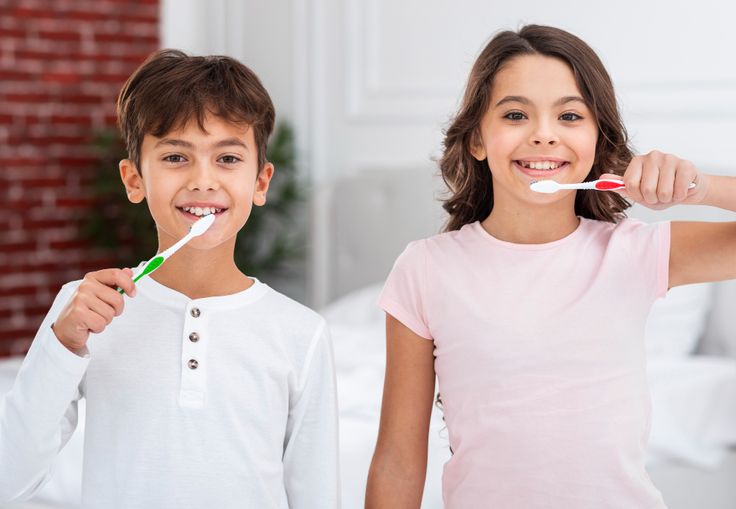
Children often imitate adult behavior. When parents demonstrate good oral hygiene habits, children are more likely to follow their example.
Brushing together as a family can make the activity enjoyable and educational.
Introduce Flossing Early
Flossing becomes important once a child’s teeth begin touching each other.
Why Flossing Matters
Flossing helps remove plaque and food particles from areas that toothbrushes may not reach.
Benefits of flossing include:
- Reduced risk of cavities between teeth
- Healthier gums
- Improved oral cleanliness
Parents may need to assist children with flossing until they develop the coordination to do it independently.
Encourage Healthy Eating Habits
Nutrition plays a significant role in dental health.
Foods That Support Healthy Teeth
A balanced diet rich in essential nutrients helps strengthen teeth and gums.
Healthy options include:
- Fruits and vegetables
- Dairy products
- Whole grains
- Lean proteins
- Calcium-rich foods
These foods support proper tooth development and overall oral health.
Limit Sugary Foods and Drinks
Frequent consumption of sugary snacks and beverages increases the risk of tooth decay.
Parents can help by:
- Offering healthier snack alternatives
- Limiting sugary treats
- Encouraging water between meals
- Avoiding frequent sugary drinks
Moderation and healthy choices help protect developing teeth.
Make Dental Visits a Positive Experience
Regular dental checkups are an important part of preventive care.
Benefits of Routine Dental Visits
Dental appointments allow professionals to:
- Monitor oral development
- Detect cavities early
- Provide preventive treatments
- Reinforce oral hygiene education
Early visits also help children become familiar with the dental environment, reducing anxiety in the future.
Use Positive Language
Parents can help children feel comfortable by speaking positively about dental visits and avoiding words that may create fear or worry.
Creating a calm and supportive attitude encourages confidence and cooperation.
Use Positive Reinforcement
Children respond well to encouragement and rewards.
Celebrate Healthy Habits
Simple forms of positive reinforcement may include:
- Verbal praise
- Sticker charts
- Small rewards for consistency
- Tracking brushing progress
Recognizing good behavior helps motivate children to continue practicing healthy habits.
Limit Harmful Oral Habits
Certain habits can affect oral development and tooth alignment.
Habits to Monitor
Examples include:
- Thumb sucking
- Prolonged pacifier use
- Nail biting
- Chewing on hard objects
While some habits are normal during infancy and early childhood, prolonged behaviors may impact dental development.
Parents should consult a dental professional if they have concerns about persistent oral habits.
Teach the Importance of Oral Health
Children are more likely to develop healthy habits when they understand why oral care is important.
Age-Appropriate Education
Explain that brushing and flossing help:
- Keep teeth strong
- Prevent cavities
- Maintain fresh breath
- Protect their smile
Books, videos, and educational activities can make learning about oral health engaging and enjoyable.
Create a Consistent Routine
Children thrive on consistency. Establishing regular oral hygiene routines helps make dental care a natural part of daily life.
Building Long-Term Habits
Consistency teaches children that oral care is not optional but an important part of overall health.
A simple daily routine may include:
- Morning brushing
- Healthy meals and snacks
- Drinking water throughout the day
- Evening brushing and flossing
These small daily actions contribute to lifelong dental wellness.
The Long-Term Benefits of Healthy Dental Habits
Teaching children proper oral care early offers benefits that extend well into adulthood.
Children who develop strong dental habits are more likely to:
- Maintain healthy teeth and gums
- Experience fewer cavities
- Require less extensive dental treatment
- Feel confident about their smiles
- Continue practicing preventive care throughout life
Healthy habits established during childhood often become lifelong behaviors.
At Kids Dentist UAE, patients receive expert care in pediatric dentistry and children’s oral health, led by experienced specialist Dr. Suhel Dabawala. The focus is on gentle, child-friendly dental care using advanced techniques to ensure comfort and a positive experience for every child. Services include preventive care, restorative treatments, and complete oral health support tailored to children’s needs. With a strong emphasis on safety, comfort, and personalized attention, Kids Dentist UAE is dedicated to building healthy and confident smiles for the future.
Book your appointment today
Related Posts