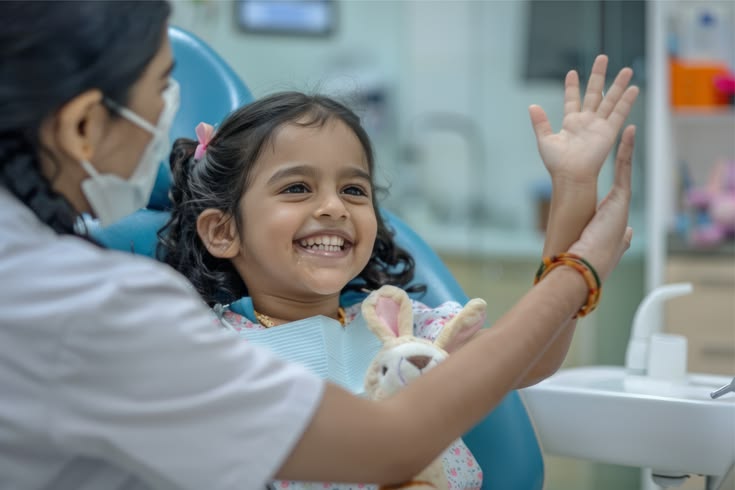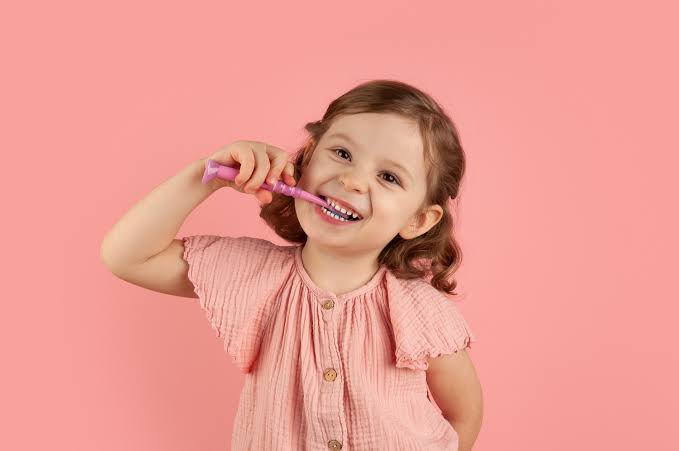
Regular dental visits are an important part of maintaining children's overall health. Children may not…
Understanding Children’s Oral Health at Every Age
Understanding Children’s Oral Health at Every Age is important because a child’s dental needs change as they grow. From infancy through adolescence, teeth and gums require age-appropriate care, healthy habits, and regular professional monitoring. Early attention to oral health can help prevent cavities, support proper tooth development, and encourage children to take responsibility for their dental hygiene.
Children’s oral health is influenced by brushing habits, diet, fluoride exposure, oral development, and regular dental care. Parents and caregivers play an important role in establishing these habits during the early years.
Oral Care During Infancy
Dental care can begin before a baby’s first tooth appears. Parents can gently clean the baby’s gums with a clean, soft cloth.
Once the first tooth emerges, brushing should begin with a small, soft toothbrush and an age-appropriate amount of fluoride toothpaste.
Parents should avoid putting a baby to bed with a bottle containing milk, formula, juice, or another sugary drink because prolonged exposure can contribute to early childhood tooth decay.
Caring for Toddlers’ Teeth
Toddlers are becoming more independent, but they still need significant help with brushing.
Children younger than three years generally use a smear of fluoride toothpaste about the size of a grain of rice. Parents or caregivers should brush twice daily and supervise the child.
At this age, children may also develop habits such as thumb sucking or pacifier use. Persistent oral habits should be discussed with a dental professional if there are concerns about their effect on developing teeth and jaws.
Preschool Dental Care
As children approach preschool age, they can begin participating more actively in brushing.
Children aged three and older generally use a pea-sized amount of fluoride toothpaste. Parents should continue supervising and assisting with brushing because young children may not yet have the coordination required to clean every surface effectively.
Making brushing fun with songs, timers, games, or colorful toothbrushes can help children develop a positive attitude toward oral hygiene.
Oral Health During the Early School Years
As children enter school, their primary teeth continue to play an important role while permanent teeth begin to emerge.
Parents should continue encouraging twice-daily brushing and cleaning between teeth where appropriate. Children should also learn why limiting sugary snacks and drinks is important.
Water is a good everyday beverage choice, while frequent consumption of sugary drinks can increase the risk of cavities.
Protecting Emerging Permanent Teeth
Permanent teeth begin appearing during childhood, and maintaining good oral hygiene becomes increasingly important.
Newly erupted permanent teeth may have grooves and pits where plaque can accumulate. Depending on a child’s individual cavity risk, a dental professional may recommend preventive treatments such as dental sealants.
Regular examinations allow professionals to monitor tooth eruption, alignment, and overall oral development.
Children’s Diet and Dental Health
Diet has a significant influence on children’s oral health.
Frequent consumption of sugary foods and drinks can increase the risk of tooth decay because oral bacteria use sugars to produce acids that attack enamel.
Parents can encourage balanced meals and nutritious snacks while limiting frequent sugary treats.
Foods such as vegetables, fruits, dairy products, whole grains, and other nutrient-rich choices can support overall growth and development.
The Importance of Fluoride
Fluoride is an important part of cavity prevention. It helps strengthen enamel and makes teeth more resistant to acid attacks.
Children should use fluoride toothpaste in an age-appropriate amount. Parents should also consider other sources of fluoride, such as drinking water and professional treatments.
If parents are unsure whether their child receives an appropriate amount of fluoride, they should ask a dental professional for individualized guidance.
Dental Care for Preteens
As children become preteens, they may begin taking more responsibility for their oral hygiene.
However, parents should continue checking brushing habits and encouraging regular dental visits.
Orthodontic concerns may also become more noticeable during this stage. Crowding, unusual bite relationships, or problems with tooth eruption can be assessed by a dental professional.
Oral Health During the Teen Years
Teenagers often have busy schedules and may become less consistent with oral hygiene.
Braces, retainers, sports activities, dietary choices, and increased independence can all influence oral health.
Teenagers should continue brushing twice daily, cleaning between teeth, using fluoride toothpaste, and attending regular dental appointments.
Frequent consumption of soft drinks, energy drinks, and sugary snacks should also be limited.
Braces and Oral Hygiene
Children and teenagers undergoing orthodontic treatment need to pay particular attention to cleaning around brackets and wires.
Food particles and plaque can become trapped around orthodontic appliances, increasing the risk of cavities and gum inflammation.
An orthodontic or dental professional can recommend suitable toothbrushes, interdental brushes, flossing tools, and cleaning techniques.
Sports and Dental Protection
Children and teenagers involved in contact or high-impact sports may benefit from wearing a properly fitted mouthguard.
Dental injuries can occur during sports, and appropriate protection can help reduce the risk of damage to teeth and oral tissues.
Parents can discuss suitable mouthguard options with a dental professional based on the child’s activity.
Oral Habits and Jaw Development
Some childhood habits can influence dental development when they continue for a prolonged period.
Thumb sucking, prolonged pacifier use, mouth breathing, and other oral habits may sometimes be associated with changes in tooth position or bite.
Parents should discuss persistent concerns with a dental professional who can assess the child’s individual development.
Recognizing Common Dental Problems
Parents should watch for signs such as tooth pain, sensitivity, swelling, bleeding gums, visible discoloration, bad breath that does not improve with oral hygiene, or difficulty chewing.
Children may not always communicate dental discomfort clearly.
Changes in eating, sleeping, brushing behavior, or mood may sometimes indicate that a child is experiencing oral discomfort.
Regular Dental Visits at Every Age
Regular dental examinations are important throughout childhood and adolescence.
Professional visits allow dental teams to monitor tooth eruption, jaw development, oral hygiene, cavities, gum health, and other changes.
Early dental visits can also help children become comfortable with dental care and learn how to maintain their teeth properly.
Parents as Role Models
Children often learn by observing the adults around them.
Parents can encourage healthy habits by brushing their own teeth regularly, choosing nutritious foods, drinking water, and attending dental appointments.
Family brushing routines can make oral hygiene easier to maintain and help children understand that dental care is a normal part of everyday life.
Building Healthy Habits for Life
Understanding Children’s Oral Health at Every Age means recognizing that dental care changes as children grow. Infants need gentle early care, toddlers need close supervision, school-age children require support as permanent teeth emerge, and teenagers need guidance as they become more independent.
At every stage, regular brushing with fluoride toothpaste, cleaning between teeth, healthy eating habits, limited sugar exposure, adequate protection during sports, and routine dental visits can support healthier teeth and gums.
By establishing positive oral health habits early and adapting them as children develop, parents can help provide a strong foundation for lifelong dental health.
At Kids Dentist UAE, patients receive expert care in pediatric dentistry and children’s oral health, led by experienced specialist Dr. Suhel Dabawala. The focus is on gentle, child-friendly dental care using advanced techniques to ensure comfort and a positive experience for every child. Services include preventive care, restorative treatments, and complete oral health support tailored to children’s needs. With a strong emphasis on safety, comfort, and personalized attention, Kids Dentist UAE is dedicated to building healthy and confident smiles for the future.
Book your appointment today
Related Posts