Regular dental visits are an important part of maintaining children's overall health. Children may not…
The Ultimate Guide to Children’s Oral Health
The Ultimate Guide to Children’s Oral Health provides parents and caregivers with practical information for protecting children’s teeth and gums from infancy through adolescence. Good oral health is an important part of a child’s overall well-being. Healthy teeth help children eat comfortably, speak clearly, and develop confidence as they grow.
Children’s dental needs change at different stages of development. Establishing good habits early, providing appropriate daily care, and maintaining regular dental visits can help reduce the risk of cavities and support healthy oral development.
Start Oral Care Early
Children’s oral care can begin before the first tooth appears. Parents can gently clean a baby’s gums using a clean, soft cloth.
Once the first tooth emerges, parents should begin brushing with a small, soft-bristled toothbrush and an age-appropriate amount of fluoride toothpaste.
Starting early helps children become familiar with oral hygiene and makes brushing a normal part of their daily routine.
The Importance of Primary Teeth
Baby teeth are temporary, but they play an important role in childhood development. They help children chew food, form sounds, and maintain space for permanent teeth.
Cavities in primary teeth can cause pain and infection and may interfere with eating and sleeping.
Taking care of baby teeth helps children remain comfortable while supporting healthy oral development.
Brushing Twice a Day
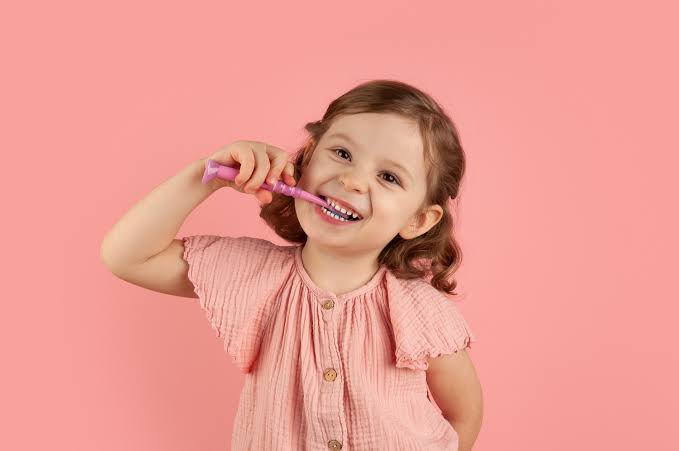
One of the most important children’s oral health habits is brushing twice a day.
Children should generally brush once in the morning and once before bedtime. Night-time brushing is especially important because plaque and food particles can remain on the teeth for several hours while children sleep.
Parents should supervise young children and assist with brushing until they have developed sufficient coordination to clean their teeth effectively.
Using Fluoride Toothpaste
Fluoride helps strengthen tooth enamel and protect teeth from cavities.
Children should use fluoride toothpaste in an amount appropriate for their age. For children younger than three years, a smear about the size of a grain of rice is generally recommended. Children aged three and older can use a pea-sized amount.
Young children should be supervised to discourage swallowing toothpaste.
Choosing the Right Toothbrush
A suitable toothbrush should have a small head and soft bristles.
A child-sized toothbrush makes it easier to reach different areas of the mouth. Soft bristles can clean teeth effectively while being gentle on the gums.
Parents can allow children to choose a toothbrush with a preferred color or design to make brushing more enjoyable.
Toothbrushes should be replaced when bristles become worn, frayed, or damaged.
Teaching Proper Brushing Technique
Children need to learn how to brush all surfaces of their teeth.
The front, back, and chewing surfaces should be cleaned using gentle movements. The gumline should also receive careful attention.
Parents can demonstrate brushing techniques and help children understand which areas need to be cleaned.
Allowing children to brush independently before an adult completes the process can encourage independence while maintaining effective cleaning.
Cleaning Between Teeth
Brushing alone cannot effectively clean every space between teeth.
Once children’s teeth begin touching, parents should introduce appropriate interdental cleaning. Dental floss or another suitable method can remove plaque and food particles from areas that toothbrush bristles cannot easily reach.
A dental professional can demonstrate the appropriate technique for the child’s age and dental development.
Healthy Food Choices
Diet plays an important role in children’s oral health.
Frequent consumption of sugary foods and drinks can increase the risk of cavities because oral bacteria use sugar to produce acids that can weaken enamel.
Parents can support healthy teeth by offering balanced meals, nutritious snacks, and water throughout the day.
Sugary foods and drinks should be limited, particularly between meals.
Encourage Water
Water is an excellent everyday beverage for children.
Replacing sugary drinks with water can reduce sugar exposure and support better oral hygiene.
Water also helps keep the mouth hydrated and can help wash away some food particles after eating.
Limit Sugary Snacks
The frequency of sugar exposure matters for dental health. Frequent snacking on sweets or drinking sugary beverages throughout the day gives oral bacteria repeated opportunities to produce acids.
Parents can establish regular meal and snack times and choose nutritious options whenever possible.
Children can still enjoy occasional treats, but maintaining a balanced diet and good brushing routine is important.
Protect Teeth During Sports
Children who participate in contact or high-impact sports may be at risk of dental injuries.
A properly fitted mouthguard can help protect teeth and oral tissues during sports activities.
Parents can discuss appropriate mouth protection with a dental professional based on the child’s sport and individual needs.
Monitor Oral Habits
Some childhood habits can influence dental development when they continue for a prolonged period.
Thumb sucking, prolonged pacifier use, and certain other oral habits may affect tooth position or bite development.
Parents should discuss persistent habits with a dental professional to determine whether intervention or monitoring is appropriate.
Watch Jaw and Bite Development
As children grow, their teeth and jaws undergo significant changes.
Parents should pay attention to noticeable crowding, unusual tooth positions, significant bite differences, difficulty chewing, facial asymmetry, or problems opening and closing the mouth.
These signs do not automatically indicate a serious problem, but a dental evaluation can help determine whether monitoring or treatment is needed.
Recognize Signs of Dental Problems
Parents should be aware of possible signs of dental problems.
These may include toothache, sensitivity, swollen gums, bleeding, persistent bad breath, visible holes, discoloration, or difficulty chewing.
Children may not always explain dental discomfort clearly. Changes in eating, sleeping, or brushing behavior can sometimes provide additional clues.
Early professional assessment can help prevent minor concerns from becoming more complicated.
Regular Dental Checkups
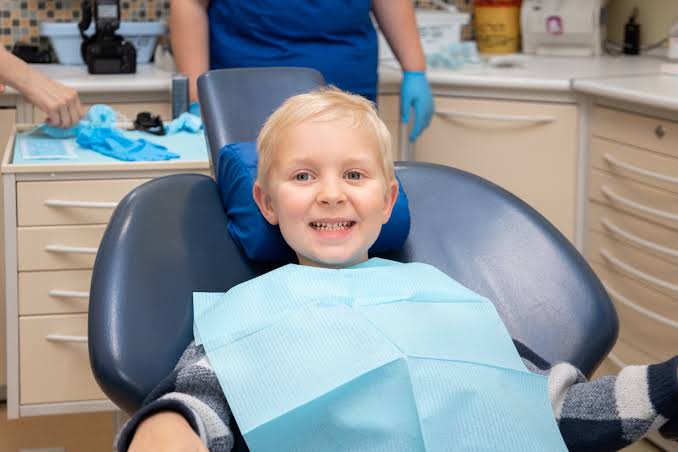
Routine dental examinations are a key part of children’s oral healthcare.
Dental professionals can monitor tooth eruption, enamel health, cavities, gum health, bite development, and overall oral growth.
The American Dental Association recommends that children have their first dental visit after the first tooth appears or by their first birthday.
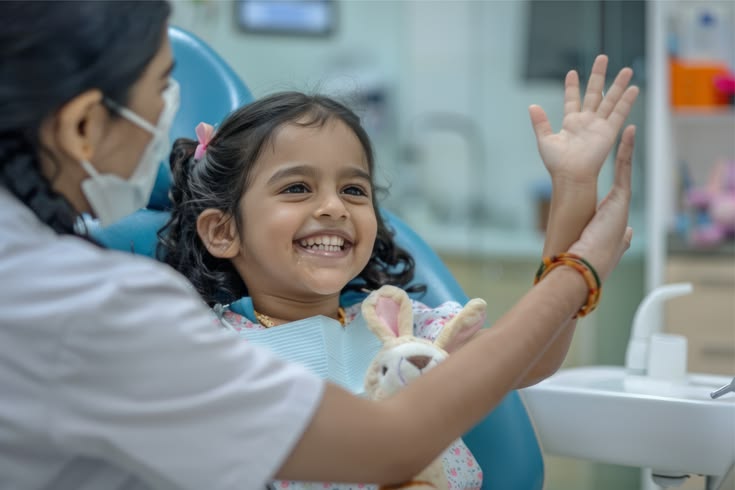
Regular visits also help children become familiar with dental care.
Professional Preventive Treatments
Depending on a child’s individual risk, dental professionals may recommend preventive treatments such as fluoride applications or dental sealants.
Sealants can protect certain chewing surfaces where food and plaque may become trapped.
Preventive treatments should be recommended according to the child’s dental development and cavity risk.
Make Brushing Enjoyable
Children may resist brushing if they consider it boring or unpleasant.
Parents can make brushing more enjoyable by using songs, timers, games, stories, brushing charts, or colorful toothbrushes.
Positive encouragement can also help children develop a better attitude toward oral hygiene.
The goal is to make brushing a predictable and positive part of everyday life.
Parents as Role Models
Children often imitate their parents and caregivers.
Adults can demonstrate healthy habits by brushing their own teeth twice a day, choosing nutritious foods, drinking water, and attending dental appointments.
Brushing together as a family can make oral hygiene feel like a shared and normal activity.
Oral Health Through Every Stage
Children’s oral health needs change as they grow.
Infants need early gum and tooth care. Toddlers require close supervision during brushing. School-age children need support as permanent teeth emerge, while teenagers gradually become more responsible for their own oral hygiene.
Parents should adapt their approach as children become more independent while continuing to monitor their oral health.
Building a Healthy Smile for Life
The Ultimate Guide to Children’s Oral Health highlights the importance of starting dental care early and maintaining consistent habits throughout childhood.
Twice-daily brushing with fluoride toothpaste, cleaning between teeth, healthy eating, limited sugar exposure, adequate water intake, sports protection, and regular dental visits can all support healthy teeth and gums.
Parents play a central role in establishing these habits, while dental professionals provide guidance and preventive care.
By making oral hygiene positive, consistent, and age-appropriate, parents can help children develop the skills and confidence needed to maintain a healthy smile throughout childhood and into adulthood.
At Kids Dentist UAE, patients receive expert care in pediatric dentistry and children’s oral health, led by experienced specialist Dr. Suhel Dabawala. The focus is on gentle, child-friendly dental care using advanced techniques to ensure comfort and a positive experience for every child. Services include preventive care, restorative treatments, and complete oral health support tailored to children’s needs. With a strong emphasis on safety, comfort, and personalized attention, Kids Dentist UAE is dedicated to building healthy and confident smiles for the future.
Book your appointment today
Related Posts