Regular dental visits are an important part of maintaining children's overall health. Children may not…
Why Flossing Is Important for Children
Brushing is one of the most important habits for maintaining healthy teeth, but it does not clean every part of the mouth. The spaces between teeth are difficult for a toothbrush to reach, allowing food particles and plaque to accumulate. This is why flossing is an essential part of a child’s daily oral hygiene routine. Teaching children to floss from an early age helps protect their teeth and gums while establishing healthy habits that can last a lifetime.
Why Flossing Is Important for Children goes beyond simply removing food stuck between teeth. Regular flossing helps prevent cavities, reduces the risk of gum disease, keeps breath fresh, and supports overall oral health during the growing years.
What Is Flossing?
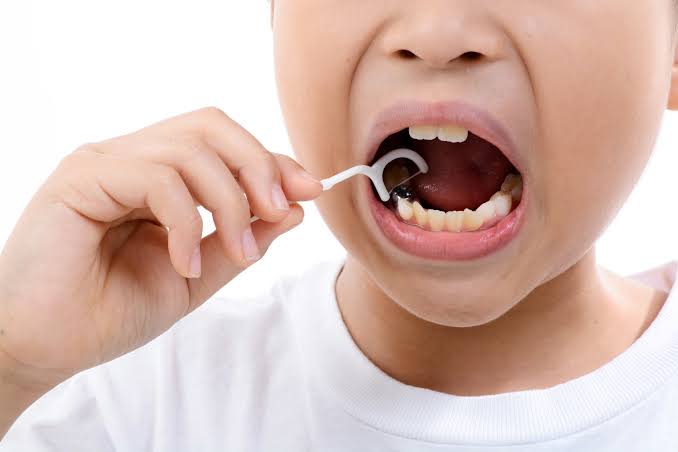
Flossing is the process of cleaning between the teeth using a thin strand of dental floss or a child-friendly floss pick. It removes plaque and food debris from areas where toothbrush bristles cannot reach.
When plaque remains between teeth, it can harden into tartar and increase the risk of tooth decay and gum problems. Daily flossing helps keep these hard-to-clean areas clean and healthy.
Why Brushing Alone Is Not Enough
A toothbrush cleans the front, back, and chewing surfaces of the teeth effectively, but it cannot thoroughly clean the tight spaces between them.
Food particles trapped between teeth can:
- Feed harmful bacteria
- Cause plaque buildup
- Lead to cavities
- Irritate the gums
- Contribute to bad breath
Flossing complements brushing by cleaning these areas and reducing the risk of dental problems.
Prevents Cavities Between Teeth
One of the biggest benefits of flossing is preventing cavities that develop between teeth. These areas are especially vulnerable because they are difficult to clean with a toothbrush alone.
By removing plaque and trapped food daily, flossing lowers the chances of decay developing in these hidden spaces.
Helps Keep Gums Healthy
Healthy gums are just as important as healthy teeth. Plaque buildup along the gumline can cause inflammation, making gums red, swollen, or prone to bleeding.
Regular flossing helps:
- Remove plaque near the gums
- Reduce irritation
- Prevent gum inflammation
- Support healthy gum tissue
Healthy gums provide a strong foundation for developing teeth.
Reduces Bad Breath
Food particles left between teeth can break down over time, allowing bacteria to multiply and produce unpleasant odors.
Daily flossing removes trapped food and plaque, helping children maintain fresher breath and a cleaner mouth.
Supports Proper Tooth Development
As children grow, their permanent teeth gradually replace baby teeth. Maintaining healthy gums and clean spaces between teeth supports proper tooth eruption and alignment.
Good oral hygiene during childhood contributes to better long-term dental health.
When Should Children Start Flossing?
Children should begin flossing as soon as two teeth touch each other. Once teeth are close together, toothbrushes can no longer clean every surface effectively.
In the early years, parents should floss their child’s teeth until the child develops enough hand coordination to floss independently, usually around the ages of 8 to 10, although this varies from child to child.
How to Floss a Child’s Teeth
Proper flossing is simple but requires gentle technique.
The basic steps include:
- Use a clean piece of dental floss.
- Gently slide the floss between two teeth.
- Curve the floss into a “C” shape around one tooth.
- Move the floss up and down carefully.
- Repeat for the adjacent tooth.
- Continue between all touching teeth using a clean section of floss.
Avoid snapping the floss into the gums, as this may cause discomfort.
Choosing the Right Floss
Several flossing products are suitable for children.
Options include:
- Traditional dental floss
- Waxed floss
- Child-friendly floss picks
- Flavored floss
- Soft floss designed for sensitive gums
Parents can choose the option their child finds easiest and most comfortable to use.
Make Flossing a Daily Habit
Like brushing, flossing should become part of the daily oral care routine.
Helpful ways to encourage flossing include:
- Floss together as a family
- Use colorful floss picks
- Create a reward chart
- Praise consistent effort
- Establish a regular bedtime routine
Making flossing enjoyable increases the likelihood that children will continue the habit as they grow.
Common Mistakes to Avoid
Parents and children should avoid several common flossing mistakes.
These include:
- Skipping flossing altogether
- Flossing too aggressively
- Reusing dirty floss
- Flossing only occasionally
- Ignoring the back teeth
- Rushing through the process
Consistent and gentle flossing provides the greatest benefit.
Pair Flossing with Good Oral Hygiene
Flossing works best when combined with other healthy habits.
Encourage children to:
- Brush twice daily with fluoride toothpaste
- Eat a balanced diet
- Limit sugary snacks and drinks
- Drink plenty of water
- Visit the dentist regularly
- Replace toothbrushes every three months
Together, these habits create a strong foundation for lifelong oral health.
Signs That Flossing Is Needed
Parents should pay attention to signs that plaque may be building up between the teeth.
These signs include:
- Bleeding gums during brushing
- Food frequently trapped between teeth
- Persistent bad breath
- Red or swollen gums
- Plaque visible between teeth
If these symptoms continue despite regular flossing, a dental check-up is recommended.
Benefits Beyond Childhood
Teaching children to floss early offers long-term advantages.
Regular flossing helps develop lifelong habits that may reduce the risk of:
- Tooth decay
- Gum disease
- Tooth loss
- Expensive dental treatments
- Chronic oral health problems
Children who learn proper oral hygiene early are more likely to maintain healthy smiles into adulthood.
The Role of Parents
Parents have a significant influence on their child’s oral health habits. Supervising brushing and flossing, demonstrating proper techniques, and maintaining a positive attitude toward dental care encourage children to develop confidence in their daily routine.
Regular encouragement and consistency are often more effective than occasional reminders.
At Kids Dentist UAE, patients receive expert care in pediatric dentistry and children’s oral health, led by experienced specialist Dr. Suhel Dabawala. The focus is on gentle, child-friendly dental care using advanced techniques to ensure comfort and a positive experience for every child. Services include preventive care, restorative treatments, and complete oral health support tailored to children’s needs. With a strong emphasis on safety, comfort, and personalized attention, Kids Dentist UAE is dedicated to building healthy and confident smiles for the future.
Book your appointment today
Related Posts