Regular dental visits are an important part of maintaining children's overall health. Children may not…
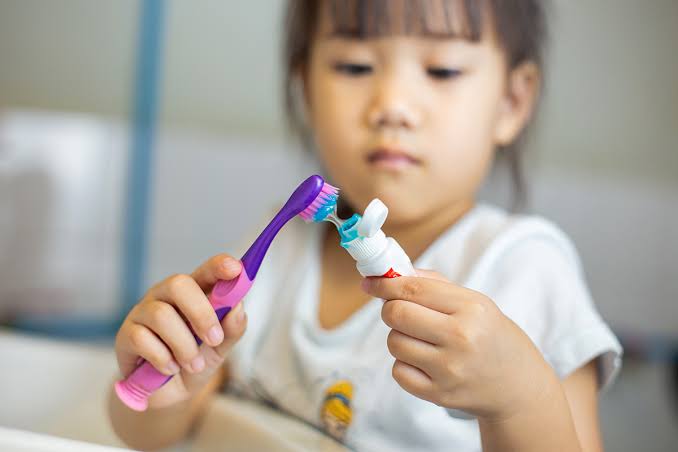
Toothpaste Guide for Kids: What Parents Should Know
Healthy teeth begin with healthy habits, and selecting the right toothpaste is one of the first steps in caring for your child’s smile. With so many children’s toothpaste options available, many parents are unsure which one to choose, how much toothpaste their child should use, or whether fluoride is the right choice. Understanding these essentials can help protect developing teeth while making oral hygiene a positive daily routine.
This Toothpaste Guide for Kids: What Parents Should Know covers everything from choosing the right toothpaste to teaching proper brushing habits that support lifelong oral health.
Why Toothpaste Matters for Children’s Oral Health
Toothpaste plays an important role in keeping children’s teeth clean and healthy. It removes plaque, strengthens enamel, helps prevent cavities, and keeps the mouth feeling fresh. Since children’s teeth are still developing, using an appropriate toothpaste can help build a strong foundation for lifelong dental health.
Regular brushing with the right toothpaste helps to:
- Protect against tooth decay
- Strengthen tooth enamel
- Remove plaque and food debris
- Support healthy gums
- Control harmful bacteria
- Keep breath fresh
When paired with proper brushing techniques and routine dental visits, toothpaste becomes an essential part of maintaining a healthy smile.
When Should a Child Start Using Toothpaste?
Parents can begin cleaning their child’s teeth as soon as the first tooth erupts. At this stage, only a tiny amount of toothpaste is required.
As children become older and learn how to spit out toothpaste rather than swallow it, they can gradually begin using a slightly larger amount. Introducing brushing early helps children become familiar with daily oral care and encourages healthy habits from a young age.
Is Fluoride Toothpaste Safe for Children?
Fluoride is widely recognized for its ability to strengthen tooth enamel and reduce the risk of cavities. For most children, fluoride toothpaste is considered beneficial when used in the recommended amount.
Parents should always supervise brushing to ensure children use only the correct quantity of toothpaste and avoid swallowing it.
If you are unsure whether fluoride toothpaste is suitable for your child, speak with a dental professional who can provide guidance based on your child’s age and oral health needs.
How Much Toothpaste Should Children Use?
Using the proper amount of toothpaste is just as important as choosing the right one.
General recommendations include:
- Children younger than 3 years: use a rice grain-sized smear.
- Children between 3 and 6 years: use a pea-sized amount.
- Older children should continue using a pea-sized amount while practicing thorough brushing techniques.
Using excessive toothpaste does not improve cleaning and may increase the likelihood of swallowing it.
Tips for Choosing the Right Toothpaste
Not every toothpaste is designed for young children. Selecting a product created specifically for their age group can make brushing both safer and more enjoyable.
Choose an Age-Appropriate Formula
Children’s toothpaste is developed to meet the oral care needs of different age groups. These products usually contain suitable fluoride levels and flavors that are more appealing to children.
Check the Fluoride Level
Unless advised otherwise by a dental professional, choose toothpaste that contains the recommended amount of fluoride to help protect developing teeth.
Select a Mild Flavor
Very strong mint flavors may discourage younger children from brushing. Gentle fruit flavors or mild mint varieties often make brushing more pleasant.
Look for Safe Ingredients
Choose toothpaste made specifically for children using ingredients intended for everyday oral care.
Consider Child-Friendly Packaging
Bright packaging and fun designs can make brushing more interesting while encouraging children to develop positive oral hygiene habits.
Teach Children That Toothpaste Is Not Food
Many children’s toothpastes come in attractive flavors that may tempt younger children to swallow them. Parents should explain that toothpaste is only for brushing and should never be eaten.
Store toothpaste in a safe place and supervise brushing to prevent accidental swallowing.
Encourage Proper Brushing Habits
The effectiveness of toothpaste depends on proper brushing techniques.
Children should be encouraged to:
- Brush every morning and evening.
- Spend approximately two minutes brushing.
- Clean all sides of every tooth.
- Brush gently around the gumline.
- Spit out toothpaste after brushing.
- Follow any rinsing advice provided by their dental professional.
Young children usually require parental assistance until they develop the coordination needed to brush independently.
Make Brushing Enjoyable
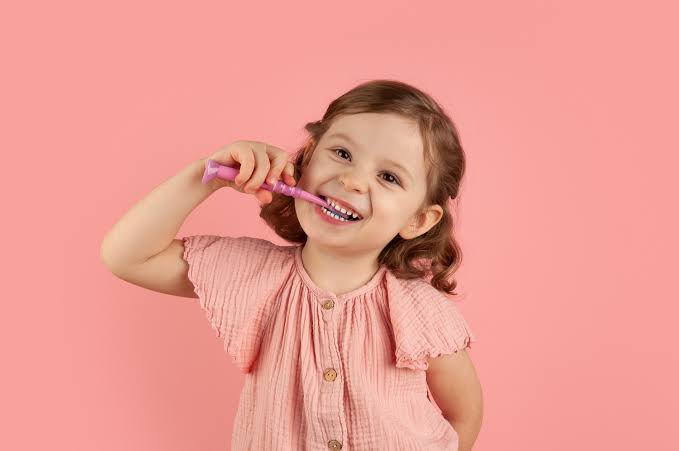
Children are more likely to maintain healthy habits when brushing is fun.
Simple ways to encourage brushing include:
- Choosing colorful toothbrushes
- Playing a favorite two-minute song
- Using a brushing timer
- Creating a reward chart
- Brushing together as a family
- Celebrating consistent brushing
Positive experiences help children develop confidence and consistency with their oral care routine.
Be Aware of Toothpaste Sensitivity
Although uncommon, some children may react to certain toothpaste ingredients.
Watch for symptoms such as:
- Mouth discomfort
- Burning sensation
- Redness around the mouth
- Complaints about unusual taste
If irritation develops, stop using the toothpaste and seek advice from a dental professional.
Support Toothpaste with Healthy Lifestyle Habits
Good oral health depends on more than brushing alone.
Encourage children to:
- Eat a balanced diet
- Limit sugary foods and drinks
- Drink plenty of water
- Consume calcium-rich foods
- Brush twice daily
- Begin flossing once teeth touch each other
- Attend regular dental check-ups
These healthy habits work together to protect developing teeth and gums.
Mistakes Parents Should Avoid
Some common mistakes may reduce the benefits of brushing.
These include:
- Applying too much toothpaste
- Allowing children to brush without supervision
- Forgetting to replace worn toothbrushes
- Skipping bedtime brushing
- Letting children swallow toothpaste
- Using toothpaste that is not appropriate for their age
Avoiding these mistakes helps maintain effective oral hygiene.
When Should a Toothbrush Be Replaced?
A child’s toothbrush should generally be replaced every three months or sooner if:
- The bristles become worn or bent.
- The child has recently recovered from an illness.
- The toothbrush shows visible signs of damage.
A toothbrush in good condition cleans teeth more effectively than one with worn bristles.
Why Routine Dental Visits Are Important
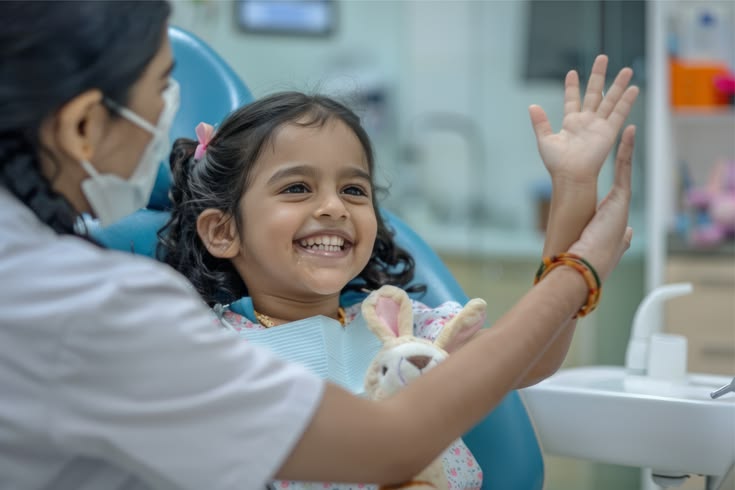
Daily brushing is essential, but regular dental examinations remain equally important. Dental visits allow professionals to monitor tooth development, detect problems early, and provide personalized oral hygiene advice.
Early preventive care helps reduce the likelihood of future dental complications and supports healthy development.
Helping Children Build Lifelong Habits
The oral hygiene habits children learn early often continue into adulthood. Parents can encourage long-term success by setting a positive example, supervising brushing, and maintaining a consistent daily routine.
Teaching children the value of brushing, flossing, healthy eating, and regular dental care helps establish strong habits that benefit them throughout life.
At Kids Dentist UAE, patients receive expert care in pediatric dentistry and children’s oral health, led by experienced specialist Dr. Suhel Dabawala. The focus is on gentle, child-friendly dental care using advanced techniques to ensure comfort and a positive experience for every child. Services include preventive care, restorative treatments, and complete oral health support tailored to children’s needs. With a strong emphasis on safety, comfort, and personalized attention, Kids Dentist UAE is dedicated to building healthy and confident smiles for the future.
Book your appointment today
Related Posts