Regular dental visits are an important part of maintaining children's overall health. Children may not…
What Happens If Baby Teeth Are Not Treated?
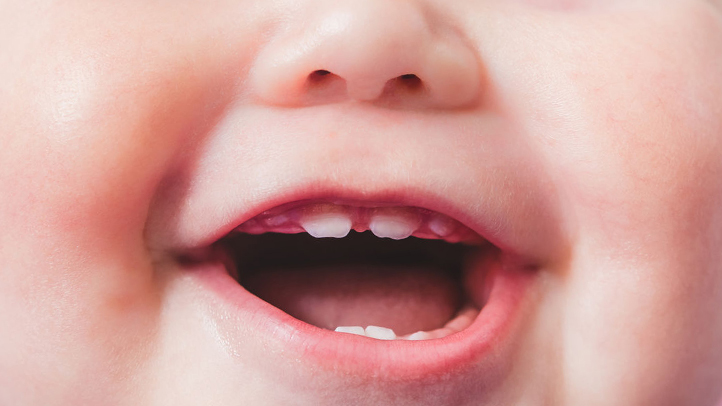
Baby teeth, also known as primary teeth, play a much more important role in a child’s development than many parents realize. Although they eventually fall out, they are essential for proper chewing, speech development, jaw growth, and guiding permanent teeth into the correct position. Ignoring dental problems in baby teeth can lead to serious oral health complications. Understanding What Happens If Baby Teeth Are Not Treated? is crucial for ensuring a child’s long-term dental well-being.
This blog explains the consequences of untreated baby teeth, common risks, and why early dental care is essential.
Why Baby Teeth Are Important
Baby teeth are not just temporary placeholders. They serve several important functions, including:
- Helping children chew food properly
- Supporting speech and pronunciation development
- Maintaining space for permanent teeth
- Guiding jaw and facial development
- Building confidence through a healthy smile
When baby teeth are neglected, these functions can be affected, leading to long-term dental issues.
What Happens If Cavities in Baby Teeth Are Ignored?
Tooth decay is one of the most common problems in children. If left untreated, it can worsen quickly.
1. Pain and Discomfort
Cavities can cause:
- Toothache
- Sensitivity to hot or cold foods
- Difficulty eating or sleeping
- Irritability in young children
Pain may affect a child’s daily activities and overall well-being.
2. Infection and Abscess Formation
Untreated cavities can lead to bacterial infections.
This may result in:
- Swelling in the gums or face
- Pus formation (abscess)
- Fever
- Spread of infection to surrounding teeth
Severe infections may require emergency dental treatment.
3. Early Loss of Baby Teeth
When decay becomes severe, baby teeth may fall out prematurely.
This can cause:
- Loss of space for permanent teeth
- Misalignment of future teeth
- Crowding issues
- Bite problems
Early tooth loss often leads to orthodontic treatment later in life.
4. Impact on Permanent Teeth
Baby teeth act as guides for permanent teeth. If they are damaged or lost too early, permanent teeth may erupt incorrectly.
Possible effects include:
- Crooked teeth
- Gaps or overlapping teeth
- Improper bite alignment
- Delayed eruption of permanent teeth
This can increase the need for braces or corrective treatments.
5. Difficulty in Eating and Nutrition Issues
Painful or missing baby teeth can make chewing difficult.
This may lead to:
- Avoidance of certain foods
- Poor nutrition
- Preference for soft or unhealthy foods
- Reduced appetite
Proper chewing is essential for a balanced diet and healthy growth.
6. Speech Development Problems
Baby teeth play an important role in speech formation.
Untreated dental issues can cause:
- Difficulty pronouncing certain sounds
- Speech delays
- Lisping or unclear speech
This may affect a child’s communication skills and confidence.
7. Low Self-Esteem and Social Impact
Dental problems can also affect a child’s emotional well-being.
Children may experience:
- Embarrassment about their smile
- Reduced confidence
- Avoidance of social interaction
- Teasing from peers
A healthy smile contributes to positive self-image.
8. Increased Risk of Future Dental Problems
Neglected baby teeth can create long-term oral health challenges.
These include:
- Higher risk of cavities in permanent teeth
- Weak oral hygiene habits
- Chronic gum issues
- Increased dental treatment needs in adulthood
Early care helps establish lifelong healthy habits.
9. Damage to Jaw Development
Healthy baby teeth help guide jaw growth.
When they are not treated properly, it may result in:
- Uneven jaw development
- Bite misalignment
- Functional difficulties while chewing
- Facial asymmetry in severe cases
Proper dental care supports balanced facial growth.
10. Higher Treatment Costs Later
Ignoring baby teeth problems can lead to more complex treatments later in life.
This may include:
- Fillings or root canal treatments in children
- Orthodontic treatment (braces)
- Tooth extractions
- Surgical interventions in severe cases
Early treatment is simpler, less painful, and more cost-effective.
Common Causes of Baby Teeth Problems
Understanding the causes helps in prevention.
Common causes include:
- Excessive sugar consumption
- Poor brushing habits
- Lack of fluoride exposure
- Frequent snacking
- Bedtime bottle feeding
- Irregular dental visits
Preventive care plays a key role in avoiding these issues.
How to Protect Baby Teeth
Parents can take simple steps to maintain their child’s oral health:
- Start brushing as soon as the first tooth appears
- Use fluoride toothpaste in small amounts
- Encourage healthy eating habits
- Limit sugary snacks and drinks
- Ensure regular dental checkups
- Teach proper brushing techniques
- Avoid putting children to bed with bottles
Consistency is key to prevention.
Importance of Early Dental Visits
The first dental visit should ideally occur by the age of one or within six months of the first tooth erupting.
Early visits help:
- Detect problems early
- Educate parents on oral care
- Build positive dental experiences
- Prevent fear of dentists
- Monitor tooth development
Preventive care is always better than treatment.
At Kids Dentist UAE, patients receive expert care in pediatric dentistry and children’s oral health, led by experienced specialist Dr. Suhel Dabawala. The focus is on gentle, child-friendly dental care using advanced techniques to ensure comfort and a positive experience for every child. Services include preventive care, restorative treatments, and complete oral health support tailored to children’s needs. With a strong emphasis on safety, comfort, and personalized attention, Kids Dentist UAE is dedicated to building healthy and confident smiles for the future.
Book your appointment today
Related Posts