Regular dental visits are an important part of maintaining children's overall health. Children may not…
Hygiene Habits Every Child Should Learn
Good hygiene habits form the foundation of a child’s overall health, confidence, and development. Teaching children proper hygiene from an early age helps prevent infections, improves social confidence, and builds lifelong healthy routines. These habits are not only about cleanliness but also about developing responsibility and self-care.
Hygiene Habits Every Child Should Learn focuses on the essential daily practices that help children stay healthy, active, and socially confident.
Importance of Hygiene in Childhood
Children are more vulnerable to infections because their immune systems are still developing. Poor hygiene can lead to illnesses such as colds, stomach infections, skin problems, and dental issues.
Good hygiene helps:
- Prevent infections and diseases
- Improve physical health
- Boost confidence in social settings
- Build discipline and routine
Early learning ensures lifelong benefits.
Handwashing Habits
Handwashing is one of the most important hygiene practices.
Children should wash hands:
- Before eating
- After using the toilet
- After playing outside
- After coughing or sneezing
Proper handwashing helps remove germs and prevents the spread of infections.
Oral Hygiene Habits
Dental care is a key part of personal hygiene.
Children should:
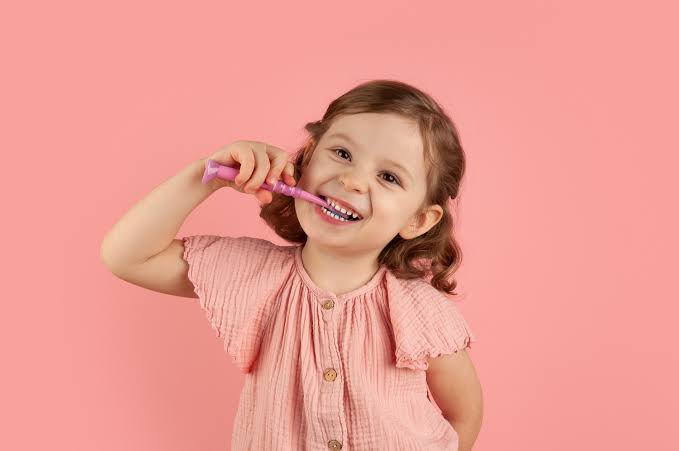
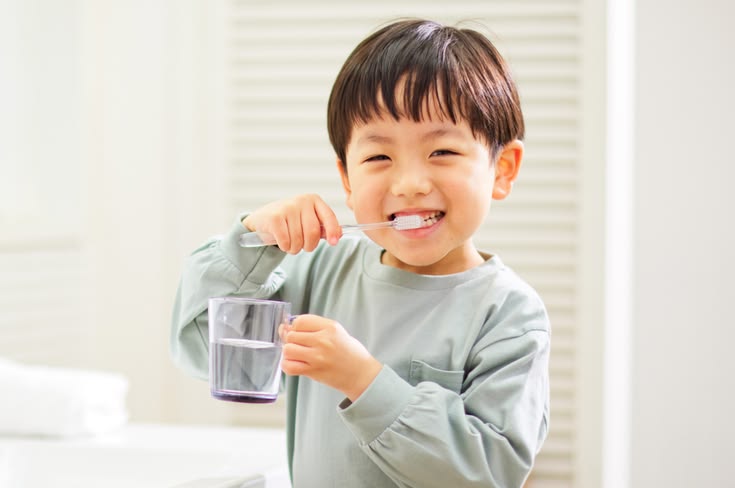
- Brush teeth twice daily
- Use fluoride toothpaste (age-appropriate)
- Floss when teeth are close together
- Rinse after meals
Good oral hygiene prevents cavities, gum disease, and bad breath.
Bathing and Skin Care
Regular bathing keeps the body clean and fresh.
Healthy habits include:
- Daily or regular bathing depending on age
- Using mild soap suitable for children
- Washing hair regularly
- Keeping nails clean and trimmed
Clean skin helps prevent infections and improves comfort.
Hair and Nail Care
Proper grooming is essential for hygiene.
Children should learn to:
- Comb hair daily
- Keep nails short and clean
- Avoid nail-biting habits
This reduces the risk of dirt buildup and infections.
Healthy Eating Hygiene
Food hygiene is equally important.
Children should:
- Wash hands before meals
- Eat clean, freshly prepared food
- Avoid eating fallen or uncovered food
- Drink safe, clean water
These habits help prevent stomach infections and digestive issues.
Toilet Hygiene
Proper toilet habits are essential for cleanliness and health.
Children should:
- Use the toilet regularly
- Wipe or clean properly after use
- Wash hands afterward
- Maintain cleanliness in the bathroom
Good toilet hygiene prevents infections and discomfort.
Respiratory Hygiene
Teaching children how to cover coughs and sneezes is important.
They should:
- Cover mouth and nose with a tissue or elbow
- Dispose of tissues properly
- Wash hands afterward
This helps reduce the spread of germs in schools and public places.
Clean Clothing Habits
Wearing clean clothes supports overall hygiene.
Children should:
- Change clothes daily
- Wear clean uniforms to school
- Avoid wearing wet or dirty clothes for long periods
Clean clothing improves comfort and prevents skin problems.
Personal Grooming Habits
Basic grooming builds confidence and self-respect.
Includes:
- Brushing hair regularly
- Wearing clean shoes and socks
- Maintaining neat appearance
These habits help children feel confident in social settings.
Importance of Routine
Consistency helps children develop strong hygiene habits.
Tips:
- Create a daily hygiene schedule
- Link habits with fixed times (morning, bedtime)
- Use reminders or charts
Routine builds discipline and responsibility.
Role of Parents in Teaching Hygiene
Parents play a key role in shaping hygiene habits.
They should:
- Demonstrate good hygiene themselves
- Teach step-by-step routines
- Supervise young children
- Encourage without pressure
Children learn best through observation and repetition.
Making Hygiene Fun for Kids
Hygiene becomes easier when it is enjoyable.
Ideas include:
- Songs during brushing or handwashing
- Reward charts
- Story-based learning
- Colorful hygiene products
Fun learning encourages consistency.
Common Hygiene Mistakes to Avoid
Parents should avoid:
- Inconsistent routines
- Ignoring early hygiene education
- Using punishment instead of encouragement
- Allowing excessive screen time over self-care habits
Positive reinforcement works better for long-term learning.
When to Seek Help
Consult a doctor or dentist if children show:
- Frequent infections
- Severe dental problems
- Skin irritations
- Poor hygiene habits despite guidance
Early support helps correct issues effectively.
At Kids Dentist UAE, patients receive expert care in pediatric dentistry and children’s oral health, led by experienced specialist Dr. Suhel Dabawala. The focus is on gentle, child-friendly dental care using advanced techniques to ensure comfort and a positive experience for every child. Services include preventive care, restorative treatments, and complete oral health support tailored to children’s needs. With a strong emphasis on safety, comfort, and personalized attention, Kids Dentist UAE is dedicated to building healthy and confident smiles for the future.
Book your appointment today
Related Posts