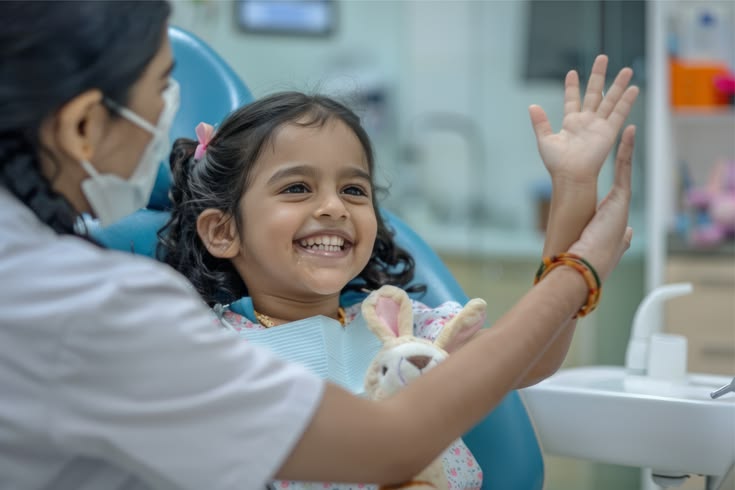
Regular dental visits are an important part of maintaining children's overall health. Children may not…
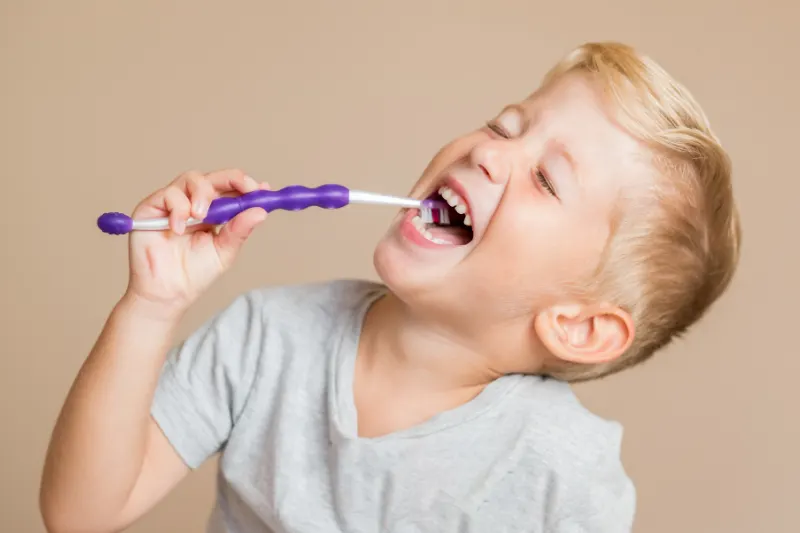
Electric vs Manual Toothbrush for Kids
Choosing between an electric and manual toothbrush for children is a common concern for parents who want the best oral care for their kids. Both options can effectively clean teeth when used correctly, but each has unique advantages depending on age, brushing habits, and comfort level. Understanding Electric vs Manual Toothbrush for Kids helps parents make an informed decision that supports healthy teeth, good habits, and a positive brushing experience.
Are Both Types Effective?
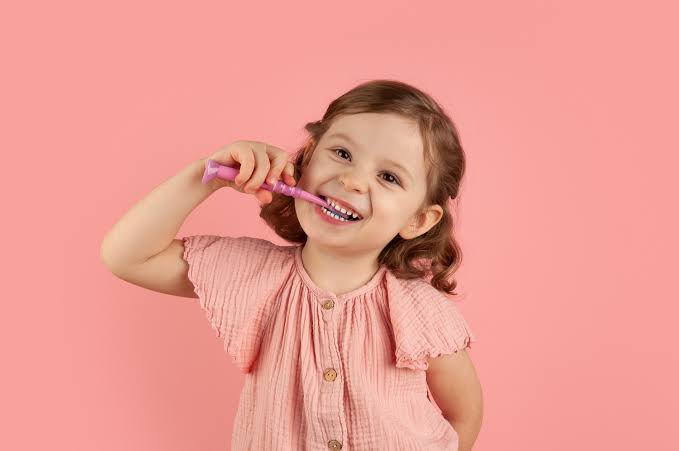
Both manual and electric toothbrushes are effective at removing plaque and preventing cavities when used properly. Dental experts emphasize that the most important factor is not the toothbrush type, but how consistently and correctly it is used—brushing twice a day for two minutes with proper technique .
However, electric toothbrushes often make it easier for children to achieve proper cleaning because of built-in features like timers and automatic brushing movements .
Manual Toothbrush for Kids
Advantages
A manual toothbrush is the most traditional and widely used option for children. It is simple, affordable, and easy to replace. For very young children, it also gives parents full control over brushing technique.
Manual brushes are especially useful in early childhood because:
- They are gentle and familiar
- They do not require charging or batteries
- They allow parents to guide brushing closely
- They are cost-effective and widely available
Dental guidance often recommends starting with a soft-bristled manual toothbrush for toddlers and preschoolers to help build early habits .
Limitations
The effectiveness of a manual toothbrush depends heavily on technique. Many children:
- Brush too quickly
- Miss hard-to-reach areas
- Apply too little or too much pressure
- Forget to brush for the full two minutes
Without supervision, manual brushing may not always provide consistent results.
Electric Toothbrush for Kids
Advantages
Electric toothbrushes use rotating or vibrating heads that do most of the brushing work. This makes them especially helpful for children who are still developing coordination skills.
Key benefits include:
- Better plaque removal with less effort
- Built-in timers to encourage proper brushing time
- Easier cleaning for children with braces or limited dexterity
- More engaging designs that make brushing fun
Studies show electric toothbrushes can reduce plaque and gingivitis more effectively than manual brushing in many users .
Some models also include music, lights, or app-based tracking, which can motivate children to brush regularly and correctly.
Limitations
Despite their benefits, electric toothbrushes also have some drawbacks:
- Higher cost compared to manual brushes
- Need for charging or battery replacement
- Some children may feel uncomfortable with vibration
- Overuse of pressure in some cases if not supervised
In younger children, the sensation of vibration may take time to get used to.
Which Is Better for Different Ages?
Toddlers (Under 3 Years)
For toddlers, a manual toothbrush is usually recommended. At this stage, parents should do most of the brushing while the child becomes familiar with the process. The focus is on comfort and building early habits rather than advanced cleaning.
Preschool to Early School Age (3–7 Years)
Both manual and electric toothbrushes can be used. Electric toothbrushes can be helpful here because children are learning independence, and timers or fun features can encourage better brushing habits.
However, supervision is still important regardless of type.
Older Children (7+ Years)
At this stage, children usually have better motor skills and can handle either type effectively. Electric toothbrushes may provide better consistency, especially if the child tends to rush brushing or misses areas.
Key Factors to Consider When Choosing
When deciding between electric and manual toothbrushes for kids, consider the following:
1. Child’s Age and Comfort
Younger children may prefer manual brushes, while older kids may enjoy electric ones more.
2. Brushing Technique
If a child struggles with proper brushing, electric toothbrushes can help improve consistency.
3. Motivation Level
Electric toothbrushes with lights, sounds, or apps can make brushing more engaging.
4. Budget and Convenience
Manual toothbrushes are more affordable, while electric ones require ongoing investment in brush heads and charging.
5. Parental Involvement
Regardless of the type, young children still need supervision to ensure proper cleaning.
Expert Perspective
Dental professionals generally agree that both toothbrush types are effective if used correctly. The key difference is that electric toothbrushes reduce the chances of user error, making them especially useful for children who are still learning proper technique .
However, manual toothbrushes remain a reliable and fully sufficient option when good habits are established early.
At Kids Dentist UAE, patients receive expert care in pediatric dentistry and children’s oral health, led by experienced specialist Dr. Suhel Dabawala. The focus is on gentle, child-friendly dental care using advanced techniques to ensure comfort and a positive experience for every child. Services include preventive care, restorative treatments, and complete oral health support tailored to children’s needs. With a strong emphasis on safety, comfort, and personalized attention, Kids Dentist UAE is dedicated to building healthy and confident smiles for the future.
Book your appointment today
Related Posts