Regular dental visits are an important part of maintaining children's overall health. Children may not…

Best Oral Hygiene Practices for Kids
Good oral hygiene habits during childhood play an important role in maintaining healthy teeth, strong gums, and overall well-being. Developing proper dental care routines early helps children prevent common problems such as cavities, gum irritation, and tooth sensitivity. Since children’s teeth are still developing, consistent care and guidance from parents are essential for building lifelong healthy habits.
Understanding the Best Oral Hygiene Practices for Kids helps parents support their children’s dental health through simple daily routines, preventive care, and positive learning experiences. With the right approach, children can develop confidence and responsibility in caring for their smiles.
Start Oral Care Early
Oral hygiene should begin even before a child’s first tooth appears. Cleaning a baby’s gums with a soft, clean cloth helps remove bacteria and prepares children for future brushing routines.
Once teeth begin to appear, parents should introduce gentle brushing habits using age-appropriate dental products. Starting early helps children become comfortable with oral care as part of their daily routine.
Brush Teeth Twice a Day
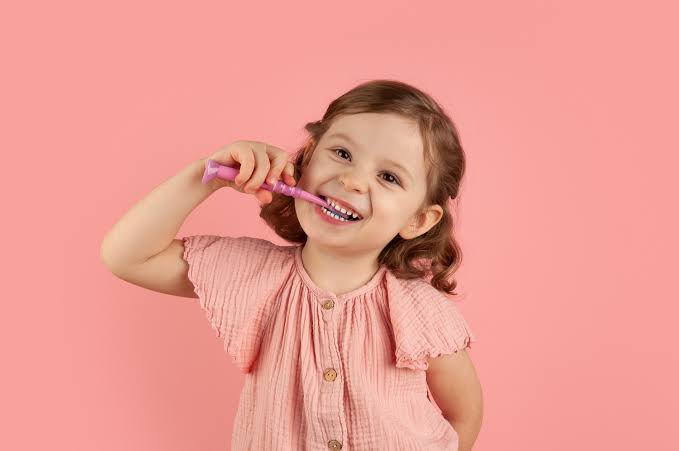
Brushing twice daily is one of the most important habits for preventing tooth problems. Morning and bedtime brushing helps remove plaque, food particles, and bacteria that can contribute to cavities.
Parents should encourage children to:
- Brush for an appropriate amount of time
- Clean all tooth surfaces
- Use gentle brushing movements
- Avoid rushing through brushing
Younger children may need supervision until they develop proper brushing skills.
Use the Right Toothbrush and Toothpaste
Choosing suitable oral care products is important for children’s dental health. A toothbrush should be comfortable for a child’s mouth and easy to hold.
Parents should consider:
- Soft-bristled toothbrushes
- Age-appropriate toothpaste
- Proper toothpaste amounts based on the child’s age
- Replacing toothbrushes regularly
Using the right products makes brushing safer and more effective.
Teach Proper Brushing Techniques
Children may brush regularly but still miss areas if they do not use proper technique. Parents can guide children by showing them how to gently clean the front, back, and chewing surfaces of teeth.
Helpful brushing tips include:
- Holding the toothbrush at a suitable angle
- Using gentle circular motions
- Cleaning along the gumline
- Reaching difficult areas carefully
Teaching correct techniques early helps children maintain better oral hygiene.
Encourage Flossing Habits
Flossing helps remove plaque and food particles from between teeth where toothbrushes cannot reach. Once children have teeth that touch each other, flossing becomes an important part of oral care.
Parents can assist younger children and teach older children how to floss properly. Regular flossing supports healthier gums and reduces the risk of cavities between teeth.
Limit Sugary Foods and Drinks
Diet has a major effect on children’s oral health. Sugary foods and drinks provide fuel for bacteria that produce acids, which can weaken tooth enamel and lead to cavities.
Parents can support healthier teeth by:
- Offering balanced meals
- Choosing nutritious snacks
- Limiting frequent sugary treats
- Encouraging water instead of sweetened drinks
Reducing sugar exposure helps protect developing teeth.
Encourage Drinking Water
Water is a simple and effective choice for supporting oral health. It helps wash away food particles and supports saliva production, which naturally protects teeth.
Encouraging children to drink water throughout the day is a healthy habit that benefits both oral and overall health.
Schedule Regular Dental Check-Ups
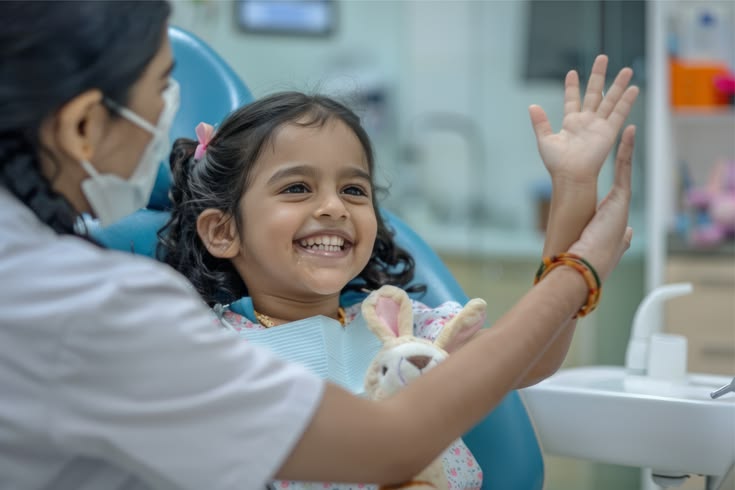
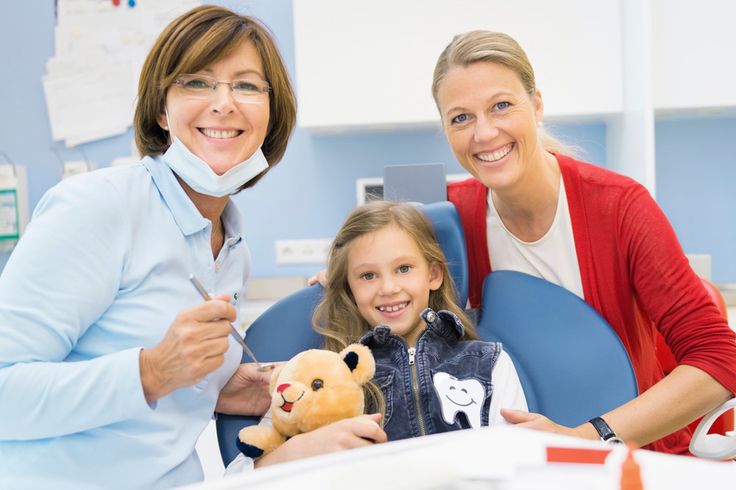
Routine dental visits are important even when children have no visible dental problems. Regular check-ups allow dental professionals to monitor tooth development, identify concerns early, and provide preventive guidance.
Dental visits can help with:
- Early cavity detection
- Monitoring tooth growth
- Evaluating oral hygiene habits
- Professional cleaning when needed
- Parent education
Preventive care helps children maintain healthier smiles.
Make Dental Care Fun and Positive
Children are more likely to develop good oral hygiene habits when dental care feels positive and enjoyable. Parents can make routines more engaging by using encouragement, rewards for consistency, or fun brushing activities.
Avoid creating fear around dental visits or oral care. A positive attitude helps children feel comfortable and confident.
Avoid Using Teeth for Unhealthy Habits
Children may develop habits that can affect dental health, such as chewing on hard objects, biting nails, or using teeth to open items.
Teaching children to avoid these behaviors helps protect teeth from unnecessary damage.
Protect Teeth During Sports Activities
Children involved in sports or physical activities may be at risk of dental injuries. Protective equipment, such as mouthguards when recommended, can help reduce the risk of chipped or damaged teeth.
Encouraging safety practices supports both dental and overall protection.
Monitor Tooth Development
Children’s teeth change significantly as they grow. Parents should pay attention to:
- Delayed tooth eruption
- Crowding or spacing concerns
- Changes in bite
- Discomfort or sensitivity
- Tooth discoloration
Early attention to changes allows timely guidance and support.
Encourage Healthy Oral Care Independence
As children grow, they should gradually learn to manage their own oral hygiene. Parents can continue to provide reminders and supervision while allowing children to take responsibility.
Building independence helps children maintain good dental habits throughout life.
Importance of Parents as Role Models
Children often copy behaviors they observe at home. When parents demonstrate good oral hygiene habits, children are more likely to follow similar routines.
Family brushing routines and healthy food choices create a supportive environment for better oral health.
Common Oral Hygiene Mistakes to Avoid
Some habits can negatively affect children’s dental health, including:
- Skipping regular brushing
- Allowing excessive sugary snacks
- Using improper brushing techniques
- Avoiding dental visits
- Ignoring early signs of dental problems
Recognizing and correcting these habits helps protect children’s smiles.
At Kids Dentist UAE, patients receive expert care in pediatric dentistry and children’s oral health, led by experienced specialist Dr. Suhel Dabawala. The focus is on gentle, child-friendly dental care using advanced techniques to ensure comfort and a positive experience for every child. Services include preventive care, restorative treatments, and complete oral health support tailored to children’s needs. With a strong emphasis on safety, comfort, and personalized attention, Kids Dentist UAE is dedicated to building healthy and confident smiles for the future.
Book your appointment today
Related Posts