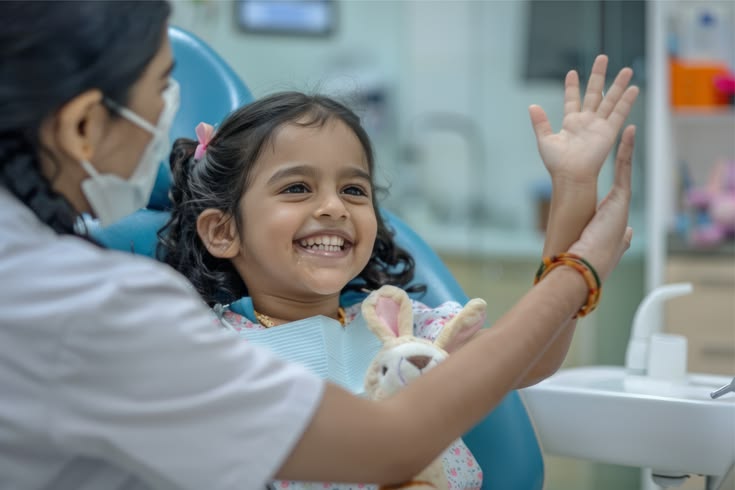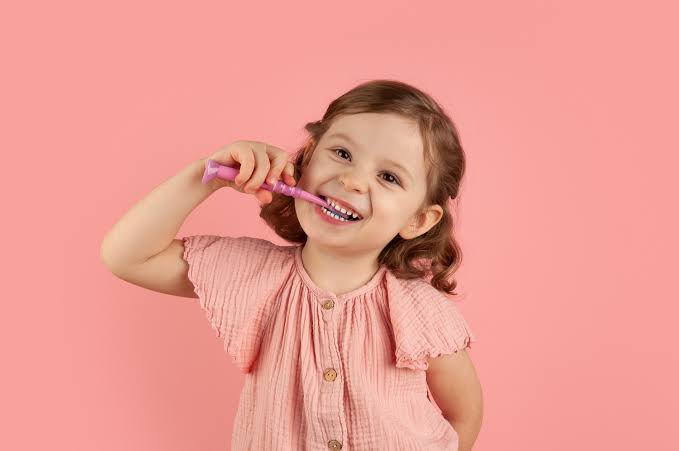
Regular dental visits are an important part of maintaining children's overall health. Children may not…
Bedtime Oral Hygiene Tips
Maintaining good oral hygiene before bed is one of the most important habits for lifelong dental health. During sleep, saliva production decreases, allowing bacteria and food particles to stay in the mouth longer. This creates an environment where plaque buildup, cavities, and gum problems can develop more easily.
Following proper bedtime oral hygiene tips helps protect teeth overnight, reduces dental issues, and supports a healthier smile in the long run.
Why Nighttime Oral Care Is So Important
Night is the longest period when the mouth remains inactive, making it a critical time for bacteria control. Without proper cleaning, leftover food particles feed harmful bacteria, leading to acid production that damages tooth enamel.
Proper bedtime care helps:
- Prevent tooth decay and cavities
- Reduce plaque buildup overnight
- Maintain healthy gums
- Prevent bad breath in the morning
- Strengthen long-term oral health
A consistent nighttime routine is often more important than daytime brushing.
Step 1: Brush Thoroughly Before Bed
Brushing before sleep is the foundation of nighttime oral hygiene. It removes food debris, plaque, and bacteria accumulated throughout the day.
Proper brushing tips:
- Brush for at least 2 minutes
- Use a soft-bristled toothbrush
- Clean all tooth surfaces carefully
- Pay attention to the gum line
- Use fluoride toothpaste for enamel protection
Brushing should never be skipped, even if you feel tired.
Step 2: Don’t Forget to Floss
Flossing removes particles that brushing cannot reach, especially between teeth and under the gum line.
Benefits of flossing at night include:
- Preventing cavities between teeth
- Reducing gum inflammation
- Removing hidden food debris
- Improving overall oral cleanliness
Daily flossing before bed significantly improves dental health outcomes.
Step 3: Use a Mouth Rinse (If Recommended)
An alcohol-free mouthwash can help reduce bacteria and freshen breath before sleep.
It helps:
- Kill remaining bacteria
- Reach hard-to-clean areas
- Support gum health
- Reduce plaque formation
However, mouthwash should always be used after brushing and flossing, not as a replacement.
Step 4: Avoid Late-Night Snacking
Eating before bed increases the risk of cavities because food particles remain in the mouth overnight.
Foods to avoid before sleeping:
- Sugary snacks and sweets
- Sticky foods like chocolates or caramel
- Soft drinks or sugary beverages
- Processed snacks
If you do eat late, brushing afterward is essential.
Step 5: Drink Water Before Bed
Drinking water helps cleanse the mouth naturally and keeps it hydrated during sleep.
Water helps:
- Wash away leftover food particles
- Maintain saliva balance
- Reduce bacterial growth
- Prevent dry mouth
Avoid sugary or acidic drinks before bedtime.
Step 6: Clean Your Tongue
The tongue can collect bacteria, food particles, and dead cells, which contribute to bad breath and plaque buildup.
Tongue cleaning helps:
- Improve breath freshness
- Reduce bacteria in the mouth
- Enhance overall oral hygiene
A tongue scraper or toothbrush can be used gently for cleaning.
Step 7: Use Proper Toothbrush and Toothpaste
Choosing the right dental products is important for effective nighttime care.
Recommended options:
- Soft-bristled toothbrush
- Fluoride toothpaste
- Non-abrasive cleaning products
Fluoride helps strengthen enamel while you sleep, protecting against acid attacks.
Step 8: Maintain a Consistent Routine
Consistency is key to effective oral hygiene. Skipping bedtime care even occasionally can increase the risk of dental issues.
A strong routine includes:
- Brushing every night
- Daily flossing
- Occasional mouth rinse
- Avoiding late-night sugar intake
Consistency builds long-term protection for teeth and gums.
Step 9: Pay Attention to Dental Appliances
People with braces, retainers, or other dental appliances need extra care at night.
Important tips:
- Clean around brackets and wires carefully
- Remove and clean retainers properly
- Use interdental brushes if needed
- Follow orthodontist instructions
Proper care prevents plaque buildup and staining.
Step 10: Replace Your Toothbrush Regularly
An old or worn toothbrush is less effective at cleaning teeth.
When to replace:
- Every 3 months
- After illness
- When bristles become frayed
A clean toothbrush ensures better oral hygiene results.
Common Bedtime Mistakes to Avoid
Many people unknowingly make mistakes that reduce the effectiveness of nighttime oral care.
Common mistakes include:
- Skipping brushing due to tiredness
- Not flossing regularly
- Eating sugary snacks before bed
- Using too little toothpaste
- Rinsing immediately after brushing (which reduces fluoride effectiveness)
Avoiding these mistakes improves oral health significantly.
Bedtime Oral Care for Kids
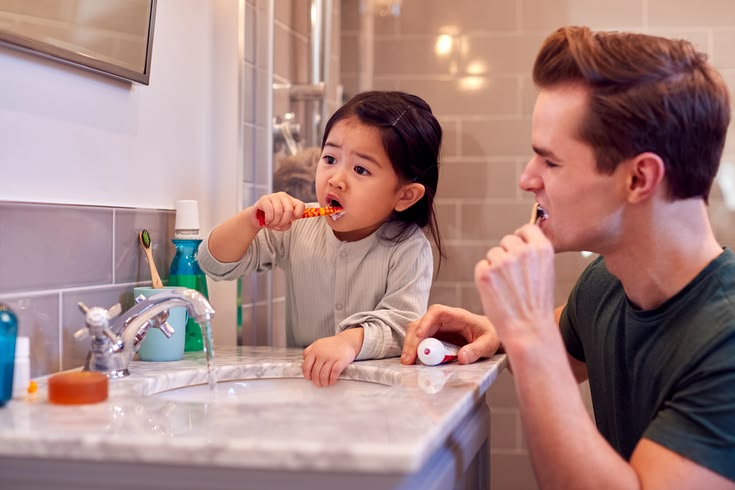
Children need supervised nighttime routines to ensure proper cleaning habits.
Helpful practices include:
- Parents supervising brushing
- Using child-friendly toothbrushes
- Teaching gentle flossing techniques
- Making brushing a fun routine
- Using mild fluoride toothpaste
Early habits help build lifelong oral hygiene discipline.
Benefits of Strong Nighttime Oral Hygiene
A good bedtime routine provides long-term dental benefits.
These include:
- Reduced risk of cavities
- Healthier gums
- Fresher morning breath
- Stronger enamel protection
- Better overall oral health
Nighttime care plays a major role in maintaining a confident smile.
At Kids Dentist UAE, patients receive expert care in pediatric dentistry and children’s oral health, led by experienced specialist Dr. Suhel Dabawala. The focus is on gentle, child-friendly dental care using advanced techniques to ensure comfort and a positive experience for every child. Services include preventive care, restorative treatments, and complete oral health support tailored to children’s needs. With a strong emphasis on safety, comfort, and personalized attention, Kids Dentist UAE is dedicated to building healthy and confident smiles for the future.
Book your appointment today
Related Posts