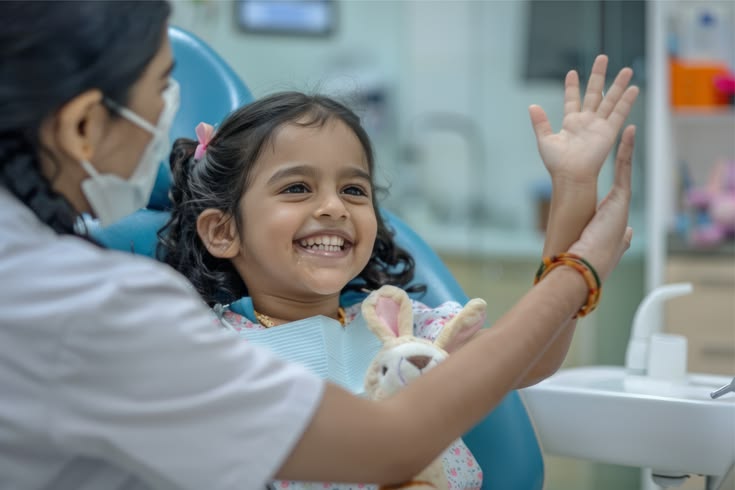
Regular dental visits are an important part of maintaining children's overall health. Children may not…
When Do Baby Teeth Start Coming In?
A baby’s first tooth is an exciting milestone that marks the beginning of their oral development. While every child grows at their own pace, most babies begin teething within their first year of life. Understanding when baby teeth typically appear, recognizing the signs of teething, and knowing how to care for those first teeth can help parents support their child’s oral health from the very beginning.
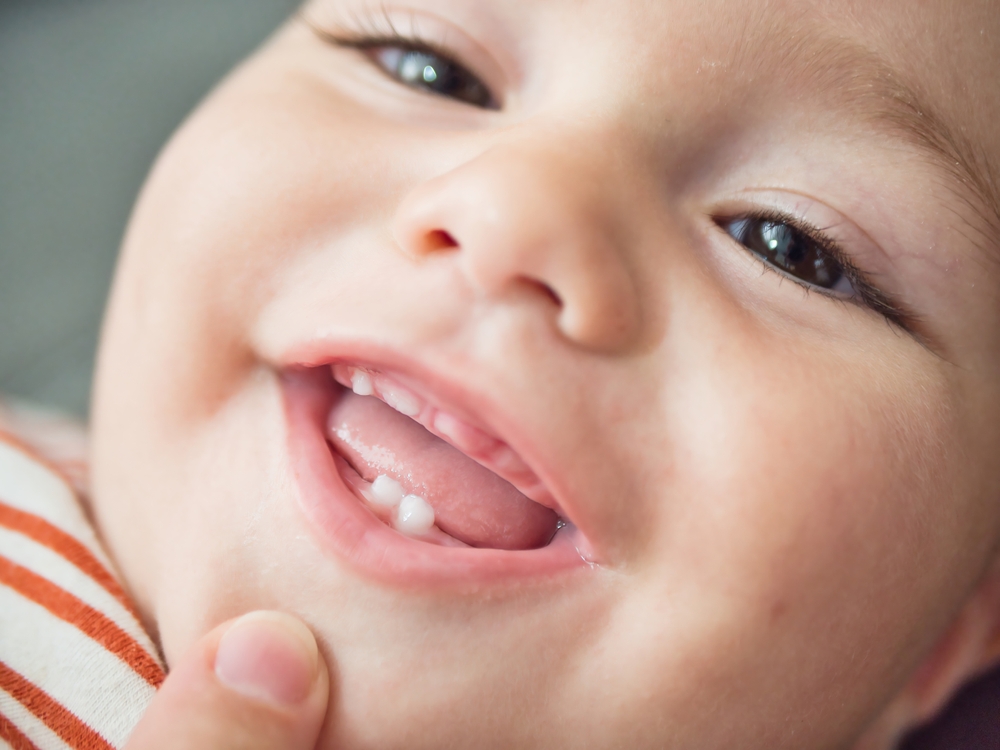
When Do Baby Teeth Start Coming In? Most babies get their first tooth between 4 and 7 months of age, although some may begin earlier or later. By the time a child reaches three years old, they usually have a complete set of 20 primary (baby) teeth.
Why Baby Teeth Are Important
Although baby teeth are temporary, they play a crucial role in a child’s growth and development. They help children chew food properly, support clear speech, and guide permanent teeth into their correct positions.
Healthy baby teeth also contribute to proper jaw development and help children develop confidence when smiling and speaking.
When Does Teething Usually Begin?
Teething often begins between 4 and 7 months, but every baby is different. Some babies are born with a tooth, while others may not develop their first tooth until after their first birthday.
The timing varies due to factors such as genetics and individual development. A slight delay is usually normal and not a cause for concern.
Typical Baby Teeth Eruption Timeline
Although each child develops differently, baby teeth generally appear in this order:
6–10 Months
Lower central incisors (bottom front teeth)
8–12 Months
Upper central incisors (top front teeth)
9–13 Months
Upper lateral incisors
10–16 Months
Lower lateral incisors
13–19 Months
First molars
16–23 Months
Canines (pointed teeth)
23–33 Months
Second molars
Most children have all 20 baby teeth by the age of 2½ to 3 years.
Common Signs of Teething
As teeth begin pushing through the gums, babies may experience mild discomfort.
Common signs include:
- Swollen or tender gums
- Increased drooling
- Chewing on fingers or toys
- Irritability
- Difficulty sleeping
- Reduced appetite
- Rubbing the cheeks or ears
These symptoms are generally temporary and improve once the tooth emerges.
Is Fever Normal During Teething?
Teething may slightly raise a baby’s body temperature, but it should not cause a high fever.
If your baby develops:
- A fever above normal
- Persistent diarrhea
- Vomiting
- Severe illness
- Difficulty breathing
These symptoms are unlikely to be caused by teething alone and should be evaluated by a healthcare professional.
How to Comfort a Teething Baby
There are several safe ways to help relieve teething discomfort.
Parents can try:
- Gently massaging the baby’s gums with a clean finger.
- Offering a chilled (not frozen) teething ring.
- Giving a clean, cool washcloth for chewing.
- Providing extra comfort through cuddling and soothing.
Always choose teething products that are specifically designed for infants and follow safety recommendations.
Caring for Baby Teeth
Oral care should begin even before the first tooth appears.
Parents can:
- Wipe the baby’s gums with a soft, clean cloth after feedings.
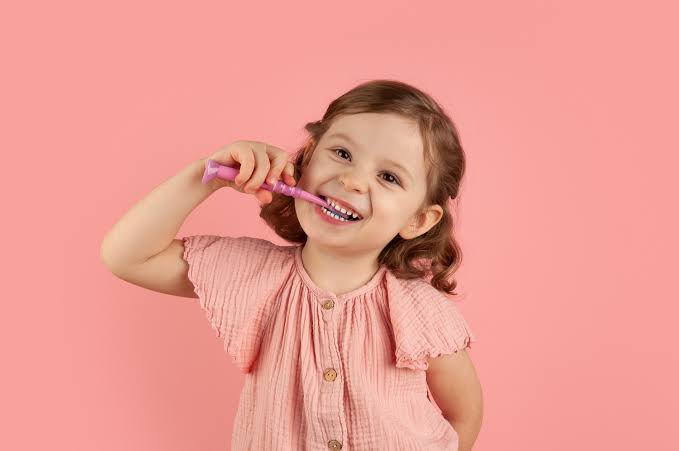
- Begin brushing as soon as the first tooth erupts.
- Use a soft-bristled infant toothbrush.
- Brush twice daily using a rice-sized smear of fluoride toothpaste, unless advised otherwise by a dental professional.
Establishing good oral hygiene early helps prevent tooth decay.
Preventing Early Childhood Cavities
Baby teeth are vulnerable to cavities, especially when sugary liquids remain on the teeth for long periods.
To help reduce the risk:
- Avoid putting your baby to bed with a bottle containing milk, juice, or sweetened drinks.
- Limit sugary snacks and beverages.
- Encourage drinking water after meals when appropriate.
- Clean teeth every day.
Healthy feeding habits support healthy teeth.
When Should the First Dental Visit Be?
Children should have their first dental visit by their first birthday or within six months after the first tooth appears.
Early dental visits help:
- Monitor tooth development
- Detect potential problems
- Provide guidance on oral hygiene
- Discuss nutrition and cavity prevention
- Build positive dental experiences
Regular check-ups support healthy oral development.
What If Teeth Come in Late?
Some children develop teeth later than others, and this is often completely normal.
Parents should consider seeking advice if:
- No teeth have appeared by 18 months.
- Tooth development seems unusually delayed.
- There are concerns about jaw growth or oral development.
A dental evaluation can determine whether further assessment is needed.
When Do Baby Teeth Fall Out?
Baby teeth usually begin falling out around 6 years of age, making room for permanent teeth.
The lower front teeth are often the first to loosen, followed by the upper front teeth. This natural process continues until approximately 12 or 13 years of age.
Healthy Habits During Teething
Parents can support healthy oral development by:
- Brushing twice daily.
- Cleaning gums before teeth erupt.
- Offering healthy foods as the child grows.
- Avoiding excessive sugary snacks.
- Scheduling regular dental visits.
- Supervising brushing as children become more independent.
These habits contribute to healthy teeth and gums throughout childhood.
At Kids Dentist UAE, patients receive expert care in pediatric dentistry and children’s oral health, led by experienced specialist Dr. Suhel Dabawala. The focus is on gentle, child-friendly dental care using advanced techniques to ensure comfort and a positive experience for every child. Services include preventive care, restorative treatments, and complete oral health support tailored to children’s needs. With a strong emphasis on safety, comfort, and personalized attention, Kids Dentist UAE is dedicated to building healthy and confident smiles for the future.
Book your appointment today
Related Posts