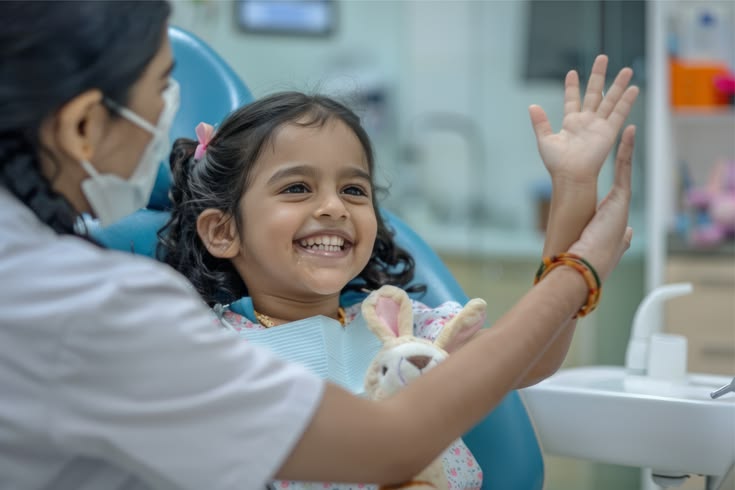
Regular dental visits are an important part of maintaining children's overall health. Children may not…
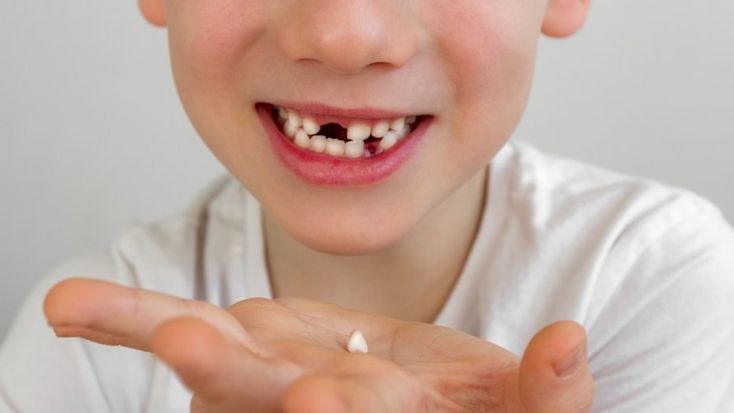
Common Habits That Damage Kids’ Teeth
Children’s teeth are still developing, making them more vulnerable to decay, wear, and long-term dental problems. While genetics and oral hygiene play a role, everyday habits often have the biggest impact on dental health. Understanding Common Habits That Damage Kids’ Teeth helps parents identify risks early and guide children toward healthier routines that protect their smiles for life.
Many harmful habits seem harmless at first, but over time they can weaken enamel, cause cavities, and affect proper tooth alignment.
Frequent Consumption of Sugary Foods and Drinks
One of the most damaging habits for children’s teeth is frequent sugar intake. Candies, chocolates, pastries, and sugary snacks feed harmful bacteria in the mouth. These bacteria produce acids that attack tooth enamel and lead to cavities.
Sugary drinks such as sodas, packaged juices, and flavored milk drinks are especially harmful because they coat the teeth with sugar for longer periods. Constant exposure to sugar increases the risk of early tooth decay, even in very young children.
Constant Snacking Between Meals
Frequent snacking throughout the day may seem harmless, but it prevents saliva from naturally cleaning the mouth. Saliva helps neutralize acids and wash away food particles, but it needs time to work effectively.
When children snack continuously, especially on sugary or starchy foods, their teeth remain under constant acid attack. This increases the likelihood of enamel erosion and cavities over time.
Poor Brushing Habits
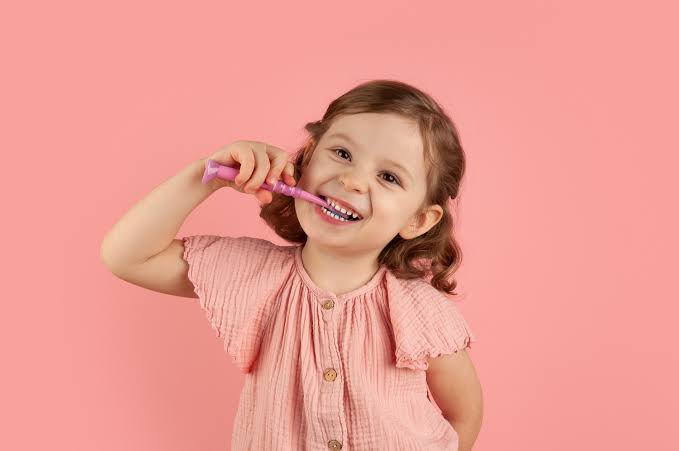
Inadequate brushing is one of the most common causes of dental problems in children. Many kids either brush too quickly, miss important areas, or do not brush twice daily.
Without proper brushing, plaque builds up on teeth and gums, leading to decay and inflammation. Children should be guided to brush for at least two minutes using fluoride toothpaste to ensure effective cleaning.
Thumb Sucking and Finger Habits
Thumb sucking is a natural reflex in infants, but if it continues beyond early childhood, it can affect dental development. Prolonged thumb sucking may lead to misaligned teeth, bite problems, and changes in jaw shape.
These habits can also create pressure on the front teeth, pushing them forward and affecting facial structure. Early intervention helps reduce long-term orthodontic issues.
Excessive Use of Pacifiers
Similar to thumb sucking, prolonged pacifier use can also impact dental alignment. While pacifiers are helpful for soothing infants, extended use beyond toddler years may lead to bite problems and tooth misalignment.
Gradually reducing pacifier dependency at the right age helps prevent unnecessary dental complications.
Nail Biting and Chewing Objects
Children often develop habits like nail biting or chewing on pens, pencils, or toys. These habits can damage tooth enamel, cause chips or cracks, and introduce harmful bacteria into the mouth.
Repeated pressure from biting hard objects can also affect tooth alignment and jaw development over time.
Poor Hydration and Dry Mouth
Not drinking enough water can lead to dry mouth, which reduces saliva production. Saliva is essential for protecting teeth from decay and neutralizing acids.
A dry oral environment allows bacteria to multiply more easily, increasing the risk of cavities and bad breath. Encouraging children to drink water regularly helps maintain a healthy balance in the mouth.
Sleeping with Bottles
Putting a child to bed with a bottle containing milk, formula, or juice is a major risk factor for tooth decay. This habit is often referred to as “bottle decay.”
When sugary liquids remain in contact with teeth for long periods during sleep, bacteria produce acids that quickly damage enamel. This can lead to severe cavities in baby teeth at an early age.
Ignoring Early Dental Visits
Delaying dental visits is another harmful habit that can affect long-term oral health. Early check-ups help identify problems before they become serious and allow children to become comfortable with dental care.
Without regular visits, small issues like early cavities or misalignment may go unnoticed and worsen over time.
Excessive Consumption of Sticky Foods
Sticky foods such as toffees, gummy candies, and dried fruits tend to cling to teeth for long periods. These foods are difficult to remove through brushing alone and provide a constant source of sugar for bacteria.
This increases the risk of cavities, especially in hard-to-reach areas between teeth.
Mouth Breathing Habit
Chronic mouth breathing, often due to allergies or nasal issues, can negatively affect oral health. It leads to dry mouth, reduced saliva protection, and increased risk of gum inflammation.
Over time, mouth breathing can also affect facial development and tooth alignment if not addressed early.
Lack of Oral Hygiene Supervision
Young children often need help and supervision while brushing and flossing. Without proper guidance, they may miss important areas or not clean their teeth effectively.
Parental involvement ensures that children develop correct brushing techniques and maintain consistent oral hygiene habits.
At Kids Dentist UAE, patients receive expert care in pediatric dentistry and children’s oral health, led by experienced specialist Dr. Suhel Dabawala. The focus is on gentle, child-friendly dental care using advanced techniques to ensure comfort and a positive experience for every child. Services include preventive care, restorative treatments, and complete oral health support tailored to children’s needs. With a strong emphasis on safety, comfort, and personalized attention, Kids Dentist UAE is dedicated to building healthy and confident smiles for the future.
Book your appointment today
Related Posts