Regular dental visits are an important part of maintaining children's overall health. Children may not…
Early Signs of Jaw Development Issues
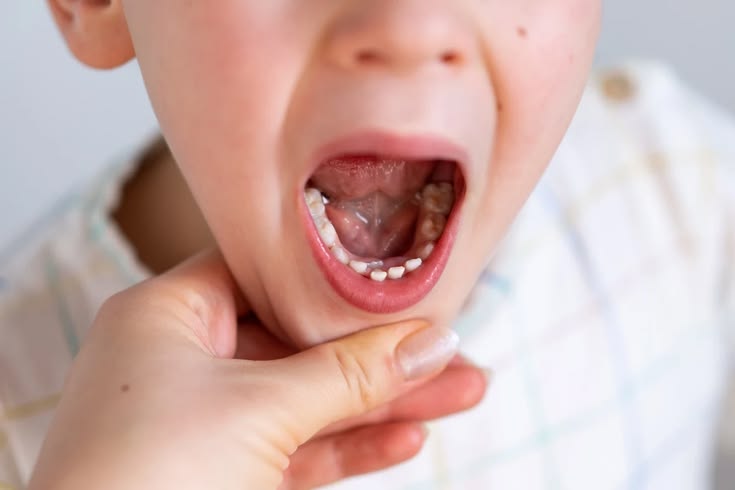
Early Signs of Jaw Development Issues can sometimes be noticed during childhood as the teeth, jaws, and facial structures grow. Jaw development is a gradual process, and children do not all develop at exactly the same rate. However, certain changes in bite, tooth position, facial growth, or oral function may indicate that a child could benefit from an evaluation.
Identifying potential concerns early can allow dental professionals to monitor development and determine whether treatment or observation is appropriate. Not every unusual feature requires treatment, but recognizing possible warning signs can help parents seek advice at the right time.
Understanding Jaw Development
The jaws provide support for the teeth and contribute to facial structure, chewing, speaking, and other oral functions. During childhood, the upper and lower jaws grow and change as permanent teeth develop and emerge.
The relationship between the upper and lower jaws also affects how the teeth come together. This relationship is known as the bite or occlusion.
Differences in jaw growth can sometimes contribute to bite problems or tooth alignment concerns.
Difficulty Biting or Chewing
One possible sign of a developing jaw or bite problem is difficulty biting or chewing food comfortably.
Children may avoid certain foods, chew predominantly on one side, or appear uncomfortable when bringing their teeth together.
Occasional changes in eating habits do not necessarily indicate a jaw problem, but persistent difficulty should be discussed with a dental professional.
Noticeable Bite Changes
A child’s bite may change naturally as teeth are lost and permanent teeth emerge. However, certain patterns may deserve professional attention.
These can include an obvious overbite, underbite, crossbite, or open bite.
An overbite occurs when the upper front teeth extend significantly over the lower front teeth. An underbite occurs when the lower teeth extend beyond the upper teeth. A crossbite involves an unusual relationship between upper and lower teeth, while an open bite occurs when some teeth do not meet when the mouth is closed.
A dental professional can determine whether a bite pattern is within normal development or requires monitoring.
Crowded or Overlapping Teeth
Crowding can occur when there is insufficient space for permanent teeth to develop and align properly.
Parents may notice teeth overlapping, twisting, or emerging in unusual positions.
Crowding does not always mean that there is a jaw development problem, but it can be related to the relationship between tooth size and available jaw space.
Early dental evaluations can help monitor changes as permanent teeth emerge.
Teeth That Do Not Meet Properly
When a child closes their mouth, the upper and lower teeth should have a functional relationship.
If certain teeth consistently fail to meet or the child has difficulty bringing the jaws together comfortably, an evaluation may be helpful.
An open bite can sometimes be associated with prolonged oral habits or differences in jaw development.
Facial Asymmetry
Mild differences between the two sides of the face are common. However, noticeable or increasing facial asymmetry may sometimes be associated with differences in jaw growth.
Parents who observe significant changes in facial symmetry should discuss them with a dental or healthcare professional.
An evaluation can help determine whether the difference is related to normal growth, dental alignment, or another factor.
Difficulty Opening or Closing the Mouth
Problems with jaw movement may sometimes be noticed when a child opens or closes their mouth.
Difficulty moving the jaw, persistent stiffness, pain, or a significant restriction in movement should be evaluated.
Jaw clicking or other sounds can have different causes and do not always indicate a serious problem. However, sounds accompanied by pain, locking, or limited movement deserve professional attention.
Speech Difficulties
Some speech patterns are part of normal childhood development, while others may be influenced by oral structures, tooth position, or bite relationships.
If a child has persistent speech difficulties, parents can discuss them with a pediatrician, speech-language professional, or dental professional as appropriate.
A coordinated evaluation may help identify whether oral development is contributing to the concern.
Mouth Breathing
Frequent mouth breathing can have several possible causes, including nasal congestion or airway-related problems.
Persistent mouth breathing may be associated with changes in oral posture and can influence oral health and facial development in some children.
Parents should discuss ongoing mouth breathing with a healthcare professional to determine the underlying cause rather than assuming it is simply a dental issue.
Thumb Sucking and Pacifier Use
Prolonged thumb sucking or pacifier use can sometimes influence the position of developing teeth and the relationship between the upper and lower jaws.
The effect depends on factors such as duration, frequency, and intensity of the habit.
Parents should seek age-appropriate guidance if an oral habit continues as a child grows.
Early or Late Loss of Baby Teeth
Primary teeth naturally fall out as permanent teeth develop. However, teeth that are lost significantly earlier than expected or remain for an unusually long period may require professional evaluation.
Premature loss can sometimes affect the space available for permanent teeth.
Regular dental examinations allow professionals to monitor tooth eruption and identify possible concerns with timing.
Delayed Eruption of Permanent Teeth
Permanent teeth generally emerge according to a broad developmental pattern, although there is considerable individual variation.
If a permanent tooth appears significantly delayed compared with expected development, a dental professional may recommend monitoring or further assessment.
Factors such as lack of space, unusual tooth position, or other developmental differences can sometimes affect eruption.
Jaw Pain or Persistent Discomfort
Children should not routinely experience jaw pain during normal chewing or mouth movement.
Persistent pain, tenderness, headaches associated with jaw movement, or discomfort when eating should be evaluated.
Jaw discomfort can have several possible causes, so professional assessment is important before assuming it is related to jaw development.
Teeth Grinding
Some children grind or clench their teeth, particularly during sleep.
Occasional tooth grinding may occur during childhood, but frequent or intense grinding can contribute to tooth wear, jaw discomfort, or other concerns.
Parents who notice significant grinding should discuss it with a dental professional.
Why Early Dental Assessment Matters
Early Signs of Jaw Development Issues do not necessarily mean that a child needs immediate treatment.
In many cases, monitoring growth over time is appropriate. However, early assessment gives dental professionals an opportunity to evaluate tooth eruption, jaw relationships, oral habits, and facial development.
If treatment becomes necessary, identifying the concern at an appropriate stage can help with planning.
Regular Dental Monitoring
Regular dental visits allow professionals to monitor changes as children grow.
During an examination, a dental professional may assess tooth alignment, bite relationships, jaw movement, eruption patterns, and oral habits.
Parents can also ask questions about changes they have noticed at home.
Supporting Healthy Jaw Development
Parents can support children’s oral development by encouraging good oral hygiene, providing a balanced diet, discouraging harmful oral habits when appropriate, and arranging regular dental visits.
Protecting primary teeth from decay is also important because healthy baby teeth help maintain normal function and space during childhood.
Children involved in sports should also use appropriate mouth protection when recommended.
When Professional Advice Is Recommended
Parents should consider seeking professional advice if they notice persistent jaw pain, significant bite changes, difficulty chewing, facial asymmetry, delayed tooth eruption, severe crowding, difficulty opening or closing the mouth, or prolonged oral habits.
A dental professional can determine whether the observation represents normal development or requires additional evaluation.
Supporting Healthy Growth and Development
Early Signs of Jaw Development Issues can include noticeable bite differences, severe crowding, unusual tooth eruption, facial asymmetry, difficulty chewing, jaw movement problems, and persistent oral habits. These signs do not automatically indicate a serious condition, but they can provide useful reasons to seek professional guidance.
Children’s jaws and teeth continue changing throughout growth, so regular monitoring is important. With appropriate dental care, healthy oral habits, and timely professional evaluation, parents can help support normal dental and facial development as their child grows.
At Kids Dentist UAE, patients receive expert care in pediatric dentistry and children’s oral health, led by experienced specialist Dr. Suhel Dabawala. The focus is on gentle, child-friendly dental care using advanced techniques to ensure comfort and a positive experience for every child. Services include preventive care, restorative treatments, and complete oral health support tailored to children’s needs. With a strong emphasis on safety, comfort, and personalized attention, Kids Dentist UAE is dedicated to building healthy and confident smiles for the future.
Book your appointment today
Related Posts