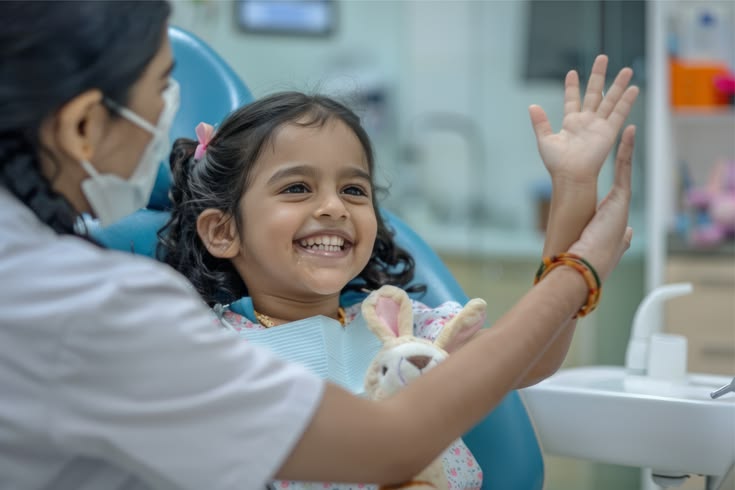
Regular dental visits are an important part of maintaining children's overall health. Children may not…
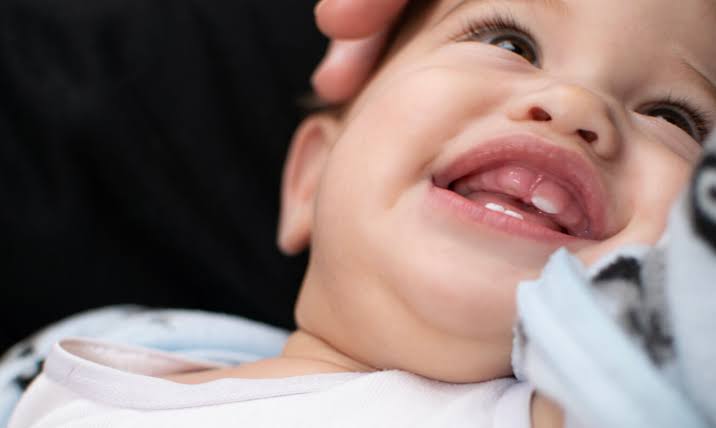
When to Worry About Teething Issues
Teething is a natural part of a baby’s growth and development, but it can sometimes be a challenging experience for both children and parents. As baby teeth begin to emerge through the gums, infants may become fussy, drool more than usual, and experience mild discomfort. While most teething symptoms are normal and temporary, some signs may indicate that another health issue is present or that professional advice is needed.
Understanding When to Worry About Teething Issues can help parents distinguish between typical teething symptoms and warning signs that require attention. Knowing what to expect and when to seek help ensures your baby receives the right care while maintaining healthy oral development.
What Is Teething?
Teething is the process in which a baby’s primary (baby) teeth begin to erupt through the gums. Most babies start teething between 4 and 7 months of age, although the timing can vary from one child to another.
By the age of about three years, most children have all 20 primary teeth.
Common Signs of Teething
Most babies experience mild symptoms as their teeth emerge. These usually improve once the tooth breaks through the gum.
Common signs include:
- Increased drooling
- Swollen or tender gums
- Chewing on fingers or toys
- Mild irritability
- Restlessness
- Temporary changes in sleep patterns
- Reduced interest in eating solid foods
These symptoms are generally normal and do not require medical treatment.
Symptoms That Are Not Usually Caused by Teething
Teething is often blamed for many illnesses, but some symptoms are unlikely to be caused by erupting teeth alone.
Parents should not assume teething is responsible for:
- High fever
- Persistent diarrhea
- Repeated vomiting
- Severe cough
- Difficulty breathing
- Skin rashes over the body
- Extreme sleepiness
- Refusal to drink fluids
If these symptoms occur, consult a healthcare professional promptly, as they may indicate an unrelated illness.
Delayed Teething
Some babies develop teeth later than others, and a delay is often perfectly normal.
However, parents should seek advice if:
- No teeth have appeared by 18 months of age.
- There are concerns about overall growth or development.
- There is a family history of delayed tooth eruption combined with other health concerns.
A dental or medical evaluation can determine whether additional assessment is needed.
Excessive Gum Swelling
Mild gum swelling is expected during teething. However, significant swelling, severe redness, or pus around the gums is not typical.
Seek professional advice if you notice:
- Large swollen areas
- Bleeding that does not stop
- White or yellow discharge
- Signs of infection
- Severe pain lasting several days
These symptoms may require dental evaluation.
Difficulty Eating for an Extended Period
Temporary discomfort while eating is common during teething. However, if your baby consistently refuses food or fluids for more than a day or appears dehydrated, medical advice should be sought.
Warning signs of dehydration include:
- Fewer wet diapers
- Dry mouth
- No tears when crying
- Unusual tiredness
Maintaining hydration is especially important during teething.
Persistent Crying or Extreme Irritability
Mild fussiness is common during teething, but prolonged inconsolable crying may signal another problem.
If your baby:
- Cries continuously for several hours
- Cannot be comforted
- Appears to be in severe pain
- Shows unusual behavior
A healthcare professional should assess the situation.
Teeth Erupting in an Unusual Position
Baby teeth do not always emerge perfectly straight, but significant abnormalities should be evaluated.
Parents should seek advice if:
- Teeth appear severely misaligned.
- Teeth erupt in unexpected locations.
- Teeth overlap excessively from the beginning.
- Teeth fail to emerge after visible swelling.
Early assessment can identify whether monitoring or treatment is necessary.
Tooth Discoloration
Healthy baby teeth are usually white.
Consult a dental professional if newly erupted teeth appear:
- Brown
- Black
- Gray
- Yellow with unusual staining
Discoloration may indicate injury, enamel defects, or other dental concerns.
Tooth Decay During Teething
Baby teeth are vulnerable to cavities soon after they erupt.
Watch for:
- White chalky spots
- Brown marks
- Small holes
- Tooth sensitivity
- Visible decay
Early treatment helps protect both baby teeth and developing permanent teeth.
Safe Ways to Relieve Teething Discomfort
Parents can help soothe teething discomfort by:
- Gently massaging the baby’s gums with a clean finger.
- Offering a chilled (not frozen) teething ring.
- Providing a clean, cool washcloth for chewing.
- Offering extra comfort and cuddles.
- Following advice from a healthcare professional if pain relief is needed.
Avoid using products that are not recommended for infants or those containing ingredients that may be unsafe.
Caring for Baby Teeth During Teething
Good oral hygiene should begin as soon as the first tooth appears.
Parents should:
- Brush twice daily using a soft infant toothbrush.
- Use a rice-sized smear of fluoride toothpaste unless otherwise advised.
- Avoid sugary drinks before bedtime.
- Clean gums before teeth erupt.
- Schedule regular dental check-ups.
Healthy oral care habits protect baby teeth from the very beginning.
When to Schedule the First Dental Visit
Children should have their first dental visit by their first birthday or within six months after the first tooth appears.
Early dental visits help:
- Monitor tooth eruption
- Check oral development
- Identify early concerns
- Prevent cavities
- Teach parents proper oral care techniques
Routine check-ups support healthy development throughout childhood.
Tips for Supporting Healthy Teething
Parents can make teething easier by:
- Being patient and reassuring.
- Keeping teething toys clean.
- Maintaining regular feeding routines.
- Encouraging healthy oral hygiene.
- Monitoring changes in the mouth.
- Seeking professional advice when symptoms seem unusual.
These simple steps help babies remain comfortable while supporting healthy tooth development.
At Kids Dentist UAE, patients receive expert care in pediatric dentistry and children’s oral health, led by experienced specialist Dr. Suhel Dabawala. The focus is on gentle, child-friendly dental care using advanced techniques to ensure comfort and a positive experience for every child. Services include preventive care, restorative treatments, and complete oral health support tailored to children’s needs. With a strong emphasis on safety, comfort, and personalized attention, Kids Dentist UAE is dedicated to building healthy and confident smiles for the future.
Book your appointment today
Related Posts