The teenage years bring many changes, including changes in lifestyle, diet, hormones, and daily routines…
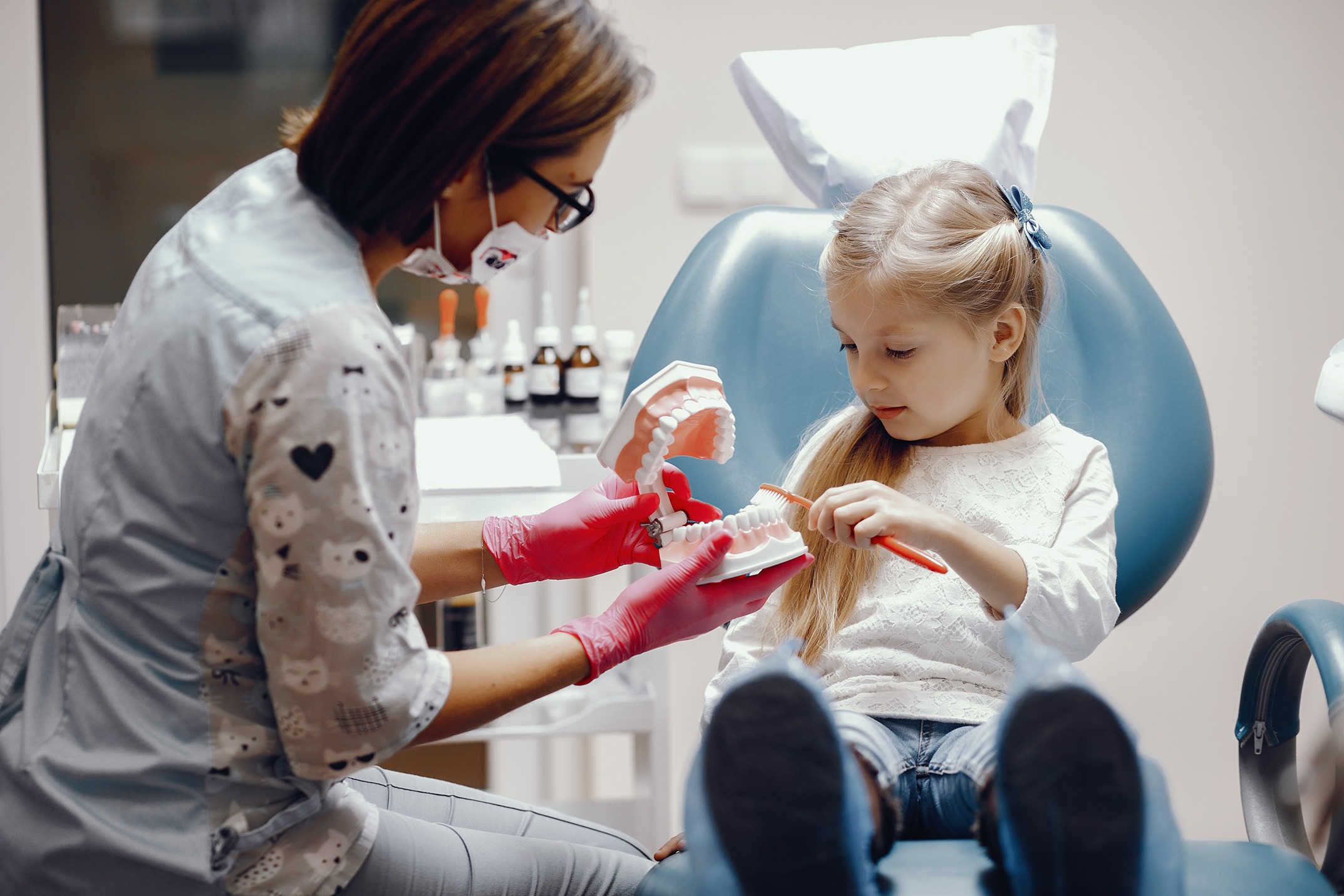
How Stress Affects Kids’ Oral Health
Children experience stress in many forms—school pressure, exams, family changes, social challenges, or even lack of sleep. While stress is often associated with emotional and behavioral changes, many people overlook its impact on physical health, especially oral health. Understanding How Stress Affects Kids’ Oral Health is important for parents and caregivers because emotional well-being is closely linked to dental health and overall development.
Stress can influence a child’s daily habits, immune response, and even lead to conditions that directly affect teeth, gums, and jaw health. This guide explains how stress impacts oral health in children and what steps can help prevent long-term problems.
The Connection Between Stress and Oral Health
Stress affects the body in multiple ways, including hormone changes, weakened immunity, and behavioral shifts. In children, these changes can directly or indirectly impact oral hygiene and dental health.
When children are stressed, they may:
- Neglect brushing and flossing
- Eat more sugary or unhealthy foods
- Experience changes in saliva production
- Develop habits like teeth grinding
- Have weakened resistance to infections
Over time, these factors can lead to dental problems.
Teeth Grinding (Bruxism) in Children
One of the most common oral health effects of stress is teeth grinding, also known as bruxism.
Signs of bruxism include:
- Grinding or clenching teeth during sleep
- Jaw pain or stiffness
- Headaches, especially in the morning
- Worn or flattened teeth
- Tooth sensitivity
Why it happens:
Stress and anxiety can cause children to unconsciously clench their jaw muscles, especially during sleep.
Effects on oral health:
- Tooth enamel wear
- Increased risk of cavities
- Jaw joint problems (TMJ issues)
- Tooth fractures in severe cases
If left untreated, bruxism can lead to long-term dental damage.
Poor Oral Hygiene Habits Due to Stress
Stress can disrupt a child’s daily routine, including oral care habits.
Children under stress may:
- Forget to brush their teeth regularly
- Brush carelessly or skip flossing
- Avoid dental care routines
- Lose interest in self-care activities
This can increase the risk of:
- Cavities
- Gum inflammation
- Plaque buildup
- Bad breath
Maintaining consistency in oral hygiene is essential, especially during stressful periods.
Increased Risk of Cavities
Stress can indirectly increase the risk of tooth decay.
This happens because:
- Children may crave sugary snacks for comfort
- Stress eating increases frequent snacking
- Oral hygiene routines may be neglected
- Acidic foods may be consumed more often
All of these factors contribute to cavity formation over time.
Gum Health and Stress
Stress can also affect gum health by weakening the immune system.
Effects include:
- Gum inflammation (gingivitis)
- Bleeding gums
- Increased sensitivity
- Slower healing of oral tissues
A stressed body is less able to fight off bacteria in the mouth, making gums more vulnerable to infection.
Mouth Sores and Ulcers
Children experiencing stress may develop mouth ulcers or sores more frequently.
Common causes:
- Weakened immune response
- Hormonal changes
- Emotional anxiety
Symptoms:
- Painful ulcers inside the mouth
- Difficulty eating or speaking
- Irritation in cheeks, lips, or tongue
These usually heal on their own but may recur during stressful periods.
Dry Mouth (Reduced Saliva Production)
Stress can affect saliva flow, leading to dry mouth in some children.
Why saliva is important:
- Washes away food particles
- Neutralizes acids
- Protects teeth from decay
- Prevents bacterial growth
Effects of dry mouth:
- Increased risk of cavities
- Bad breath
- Difficulty chewing or swallowing
- Oral discomfort
Impact on Jaw Muscles and TMJ
Stress can cause tightness in jaw muscles, leading to temporomandibular joint (TMJ) issues.
Symptoms include:
- Jaw pain or clicking
- Difficulty opening mouth fully
- Facial discomfort
- Headaches
This condition may worsen if teeth grinding continues.
Behavioral Changes That Affect Oral Health
Stress can also lead to behavioral changes that indirectly affect dental health.
These may include:
- Nail biting
- Chewing on objects (pens, pencils)
- Irregular eating habits
- Avoiding dental visits due to fear or anxiety
Such habits can damage teeth and increase oral health risks.
Emotional Impact on Dental Visits
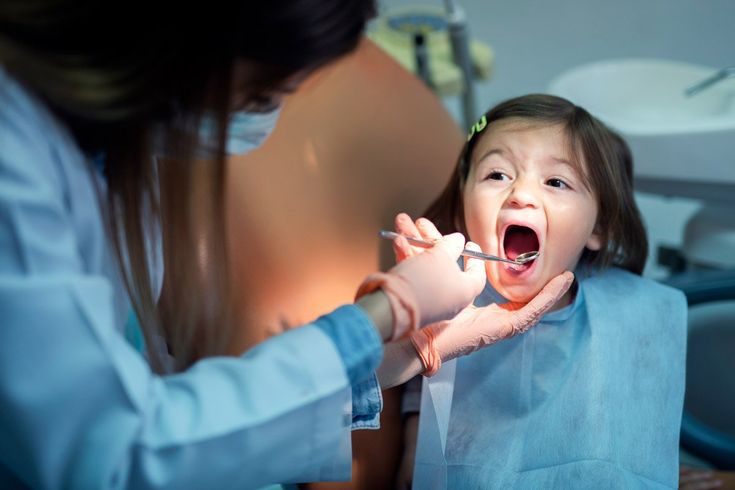
Stressed children may develop fear or anxiety about visiting the dentist.
This can lead to:
- Delayed dental checkups
- Avoidance of treatment
- Increased dental problems over time
- Fear-based behavior during appointments
Early positive dental experiences are important to reduce anxiety.
How Parents Can Help Reduce Stress-Related Dental Issues
Parents play a key role in protecting children’s oral health during stressful periods.
Helpful strategies include:
- Maintaining consistent oral hygiene routines
- Encouraging regular brushing and flossing
- Offering healthy snack alternatives
- Reducing sugary comfort foods
- Providing emotional support and reassurance
- Encouraging open communication
- Scheduling regular dental checkups
A supportive environment helps reduce stress and its effects.
Stress Management Techniques for Children
Helping children manage stress can also protect their oral health.
Effective techniques include:
- Regular physical activity
- Adequate sleep
- Relaxation exercises
- Creative activities like drawing or music
- Mindfulness and breathing exercises
- Balanced daily routines
Healthy coping mechanisms reduce both emotional and physical effects of stress.
Importance of Regular Dental Checkups
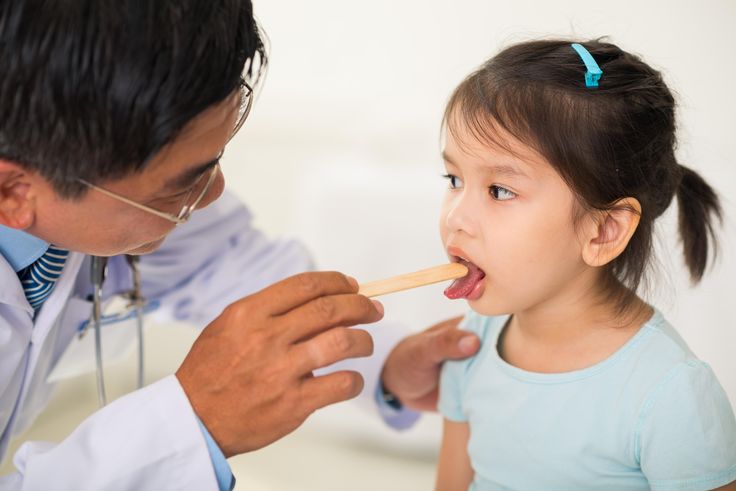
Routine dental visits are essential for identifying stress-related oral issues early.
Dentists can:
- Detect signs of teeth grinding
- Monitor gum health
- Treat cavities early
- Recommend protective mouthguards if needed
- Provide preventive care guidance
Regular checkups ensure long-term oral health stability.
At Kids Dentist UAE, patients receive expert care in pediatric dentistry and children’s oral health, led by experienced specialist Dr. Suhel Dabawala. The focus is on gentle, child-friendly dental care using advanced techniques to ensure comfort and a positive experience for every child. Services include preventive care, restorative treatments, and complete oral health support tailored to children’s needs. With a strong emphasis on safety, comfort, and personalized attention, Kids Dentist UAE is dedicated to building healthy and confident smiles for the future.
Book your appointment today
Related Posts