The transition from baby teeth to adult teeth is one of the most important stages…

Common Brushing Mistakes Children Make
Developing good oral hygiene habits during childhood is essential for maintaining healthy teeth and gums throughout life. However, many children make common brushing mistakes that reduce the effectiveness of their daily oral care routine. Even if they brush every day, poor technique or inconsistent habits can increase the risk of tooth decay, gum problems, and enamel damage.
Understanding Common Brushing Mistakes Children Make helps parents recognize these issues early and guide their children toward better brushing habits that support lifelong oral health.
Brushing for Too Short a Time
One of the most frequent mistakes children make is brushing too quickly. They often finish brushing before their teeth have been cleaned properly.
Common habits include:
- Brushing for less than two minutes
- Rushing through the routine
- Missing several areas of the mouth
Brushing for a full two minutes allows enough time to remove plaque and food debris from every tooth.
Using Excessive Toothpaste
Many children assume that using more toothpaste will clean their teeth better, but this is not the case.
Using too much toothpaste can:
- Increase the chance of swallowing toothpaste
- Produce excessive foam that encourages early rinsing
- Make brushing less effective
For most children, a pea-sized amount of fluoride toothpaste is sufficient for proper cleaning.
Brushing with the Wrong Technique
Brushing technique is just as important as brushing regularly. Incorrect movements can leave plaque behind or even damage the teeth and gums.
Common technique mistakes include:
- Brushing too aggressively
- Cleaning only the front teeth
- Ignoring the gumline
- Missing the chewing surfaces
Children should use gentle circular motions while cleaning every surface of each tooth.
Missing Daily Brushing Sessions
Some children skip brushing altogether, especially before bedtime.
This can lead to:
- Plaque accumulation
- Tooth decay
- Unpleasant breath
- Gum irritation
Brushing every morning and every night is an important part of maintaining healthy teeth.
Forgetting to Brush the Back Teeth
Back teeth, especially molars, are more difficult to reach and are often overlooked during brushing.
Neglecting these teeth may result in:
- Food becoming trapped
- Hidden cavities
- Early tooth decay
Parents should encourage children to spend extra time cleaning the back of the mouth.
Rinsing Immediately After Brushing
Many children rinse their mouths thoroughly with water immediately after brushing.
Doing this can:
- Wash away protective fluoride
- Reduce enamel strengthening
- Lower cavity protection
After brushing, children should spit out the excess toothpaste and avoid heavy rinsing right away.
Using an Inappropriate Toothbrush
A toothbrush that is too large or has hard bristles may not clean effectively and can even harm the gums.
Common problems include:
- Hard bristles irritating gum tissue
- Oversized brush heads making cleaning difficult
- Worn-out bristles reducing effectiveness
Children should use a soft-bristled toothbrush designed for their age.
Forgetting to Clean the Tongue
Brushing the teeth alone is not enough for complete oral hygiene. The tongue also collects bacteria and food particles.
Skipping tongue cleaning may contribute to:
- Bad breath
- Bacterial buildup
- Poor oral freshness
A gentle tongue cleaning should be included in every brushing routine.
Brushing Without Adult Supervision
Young children often need assistance to ensure they brush correctly.
Without supervision they may:
- Brush too quickly
- Miss several teeth
- Develop poor brushing habits
Parents should supervise brushing until children can demonstrate proper technique independently.
Rushing Through Nighttime Brushing
Even children who brush in the morning sometimes rush or skip brushing before going to bed.
This increases the risk of:
- Overnight bacterial growth
- Plaque formation
- Tooth decay
Nighttime brushing is particularly important because saliva production decreases during sleep.
Ignoring Flossing
Brushing alone cannot remove food particles trapped between teeth.
Without flossing, children may experience:
- Food trapped between teeth
- Gum inflammation
- Cavities between teeth
Flossing should begin once adjacent teeth start touching each other.
Brushing Too Forcefully
Some children believe that brushing harder means cleaner teeth.
However, brushing too aggressively can:
- Wear down enamel
- Cause gum irritation
- Increase tooth sensitivity
Gentle brushing is both safer and more effective.
Keeping the Same Toothbrush Too Long
Toothbrushes become less effective as the bristles wear down.
An old toothbrush may:
- Remove less plaque
- Harbor bacteria
- Make cleaning less efficient
Toothbrushes should generally be replaced every three months or sooner if the bristles become frayed.
Treating Brushing as a Chore
Children sometimes rush brushing simply to finish the task as quickly as possible.
This often results in:
- Incomplete cleaning
- Poor brushing habits
- Reduced attention to technique
Making brushing enjoyable through songs, timers, or reward systems can encourage better participation.
How Parents Can Help Correct These Mistakes
Parents play an essential role in helping children build strong oral hygiene habits.
Helpful approaches include:
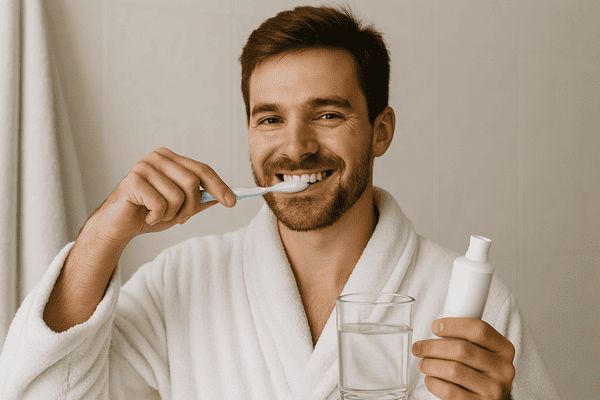
- Demonstrating the correct brushing technique
- Using a two-minute timer or brushing song
- Supervising brushing every day
- Offering praise and positive reinforcement
- Explaining the importance of oral hygiene in a fun and simple way
Consistent encouragement helps children develop habits that last a lifetime.
Why Regular Dental Visits Matter
Routine dental check-ups help identify brushing mistakes before they lead to more serious oral health problems.
Regular visits allow dentists to:
- Detect cavities at an early stage
- Evaluate brushing techniques
- Provide personalized oral hygiene advice
- Reinforce healthy dental habits
Scheduling dental examinations every six months supports healthy smiles and long-term oral health.
At Kids Dentist UAE, children receive compassionate pediatric dental care in a welcoming and child-friendly environment under the expertise of specialist Dr. Suhel Dabawala. The practice offers comprehensive pediatric dentistry services, including preventive care, restorative treatments, and personalized oral health guidance tailored to every child’s unique needs. By combining advanced dental technology with a gentle approach, the team is committed to making every visit comfortable, safe, and positive while helping children build healthy smiles that last a lifetime.
Book your appointment today.
Related Posts