Regular dental visits are an important part of maintaining children's overall health. Children may not…
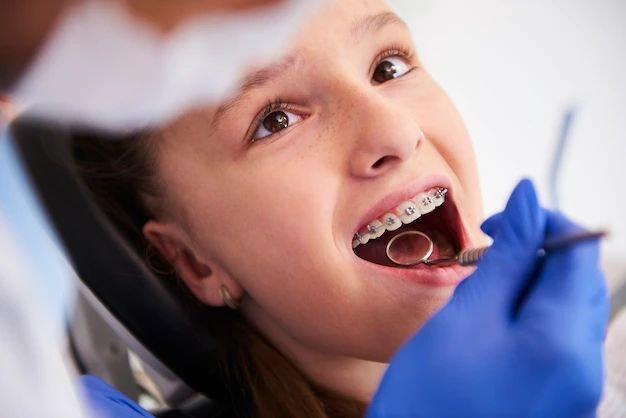
The Right Time for an Orthodontic Evaluation
An orthodontic evaluation is an important step in monitoring a child’s dental development and ensuring proper alignment of teeth and jaws. Many parents often wonder when they should first visit an orthodontist and whether early evaluation is really necessary. Understanding the right time for an orthodontic evaluation helps detect potential issues early and ensures timely treatment if needed.
Early assessment does not always mean early treatment, but it allows professionals to guide dental growth in the right direction.
What Is an Orthodontic Evaluation?
An orthodontic evaluation is a dental assessment that focuses on the alignment of teeth, bite position, and jaw development. It helps identify issues such as crowding, spacing, overbite, underbite, or jaw irregularities.
During the evaluation, the specialist examines:
- Tooth alignment and spacing
- Jaw growth and symmetry
- Bite relationship (how upper and lower teeth meet)
- Habits that may affect teeth (thumb sucking, mouth breathing)
The goal is to detect problems early and plan the best approach for correction if needed.
Recommended Age for First Orthodontic Visit
Dental professionals recommend that children have their first orthodontic evaluation by the age of 7 years. At this stage, a mix of baby teeth and permanent teeth is present, making it easier to identify developmental concerns.
At age 7:
- Front permanent teeth have usually erupted
- First molars are in place
- Jaw growth patterns can be assessed
- Early bite problems become visible
This does not mean that braces will be needed immediately. In many cases, the orthodontist simply monitors growth over time.
Why Early Evaluation Is Important
Early orthodontic visits are not about starting treatment too soon—they are about prevention and guidance. Identifying issues early can reduce complications later in life.
Benefits of early evaluation include:
- Detecting bite problems before they worsen
- Guiding jaw growth during development
- Reducing the need for complex treatment later
- Creating space for permanent teeth
- Addressing harmful oral habits early
Early monitoring often leads to simpler and shorter treatment in the future.
Signs That Your Child May Need an Early Evaluation
While age 7 is the general guideline, some children may need earlier attention if certain signs appear.
Parents should watch for:
- Teeth that appear crowded or overlapping
- Early or late loss of baby teeth
- Difficulty chewing or biting food
- Mouth breathing habits
- Thumb sucking beyond early childhood
- Protruding front teeth
- Jaw shifting or clicking sounds
If any of these signs are present, an orthodontic consultation may be recommended sooner.
Mixed Dentition Stage: A Key Period
The mixed dentition stage (typically ages 6 to 12) is one of the most important periods for orthodontic evaluation. During this time, both baby teeth and permanent teeth are present.
This stage allows specialists to:
- Track how permanent teeth are erupting
- Identify spacing or crowding issues
- Monitor jaw growth patterns
- Predict future alignment problems
Because the jaw is still developing, this stage offers the best opportunity for early guidance.
What Happens During an Orthodontic Evaluation?
An orthodontic evaluation is simple, painless, and usually quick.
It may include:
- Visual examination of teeth and gums
- X-rays to assess tooth and jaw position
- Photographs of the mouth and face
- Bite analysis
Based on these findings, the orthodontist may:
- Recommend monitoring over time
- Suggest preventive treatment
- Plan future braces or aligners if necessary
Early Treatment vs. Observation
Not every child needs immediate orthodontic treatment. In many cases, early evaluation leads to a “watch and wait” approach.
There are two main outcomes:
1. Early Intervention (Interceptive Treatment)
This may be recommended if there are significant issues with jaw growth or bite alignment. It can help:
- Guide jaw development
- Create space for permanent teeth
- Reduce severity of future treatment
2. Monitoring (No Immediate Treatment)
If teeth are developing normally, the orthodontist may simply monitor progress until more permanent teeth erupt.
Both approaches are common and depend on individual development.
Role of Habits in Orthodontic Development
Certain childhood habits can influence tooth alignment and jaw growth. Early evaluation helps identify and manage these behaviors.
Common habits include:
- Thumb sucking
- Tongue thrusting
- Mouth breathing
- Prolonged pacifier use
If not corrected early, these habits may contribute to bite problems or misalignment.
Why Timing Matters in Orthodontics
Timing plays a crucial role in orthodontic care because children’s jaws are still growing. Treating issues at the right stage can:
- Improve results
- Reduce treatment duration
- Minimize the need for tooth extraction
- Improve facial balance and symmetry
Early guidance ensures that development stays on the right path.
Teenagers and Late Orthodontic Evaluation
If a child misses early evaluation, orthodontic care is still highly effective during teenage years. By this stage, most permanent teeth have erupted.
However, treatment may:
- Take longer
- Require more correction
- Be less focused on growth modification
This is why early screening is always recommended.
At Kids Dentist UAE, patients receive expert care in pediatric dentistry and children’s oral health, led by experienced specialist Dr. Suhel Dabawala. The focus is on gentle, child-friendly dental care using advanced techniques to ensure comfort and a positive experience for every child. Services include preventive care, restorative treatments, and complete oral health support tailored to children’s needs. With a strong emphasis on safety, comfort, and personalized attention, Kids Dentist UAE is dedicated to building healthy and confident smiles for the future.
Book your appointment today
Related Posts