The teenage years bring many changes, including changes in lifestyle, diet, hormones, and daily routines…
Dental Care for Special Needs Children
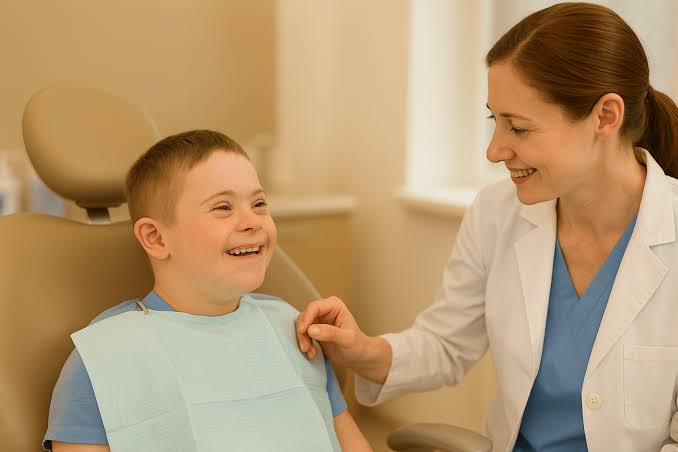
Providing dental care for children with special needs requires patience, understanding, and a tailored approach. Every child deserves a healthy smile, but children with physical, developmental, behavioral, or sensory challenges may face additional barriers when it comes to oral hygiene and dental visits. Understanding Dental Care for Special Needs Children is essential for parents, caregivers, and dental professionals to ensure safe, comfortable, and effective oral health care.
This guide explains the importance of specialized dental care, common challenges, practical tips, and professional approaches to support better oral health outcomes.
Why Dental Care Is Important for Special Needs Children
Oral health is closely linked to overall health and quality of life. Children with special needs may be more vulnerable to dental issues due to medical conditions, medications, or difficulties with daily hygiene routines.
Good dental care helps:
- Prevent tooth decay and gum disease
- Improve eating and nutrition
- Reduce pain and discomfort
- Support speech and communication
- Enhance confidence and social interaction
- Prevent long-term oral complications
Early and consistent dental care plays a vital role in lifelong oral health.
Common Dental Challenges in Special Needs Children
Children with special needs may experience unique oral health challenges depending on their condition.
1. Difficulty Maintaining Oral Hygiene
Some children may struggle with brushing and flossing due to limited motor skills or sensory sensitivity.
2. Higher Risk of Tooth Decay
Dietary preferences, medication use (especially liquid medications with sugar), and inconsistent hygiene can increase cavity risk.
3. Gum Disease
Poor plaque control can lead to inflammation, bleeding gums, and periodontal issues.
4. Teeth Grinding (Bruxism)
Stress, anxiety, or neurological conditions may cause teeth grinding, leading to enamel wear.
5. Dental Anxiety
Sensory sensitivities or past negative experiences can make dental visits stressful.
6. Irregular Tooth Development
Some children may experience delayed or abnormal tooth eruption depending on their condition.
Importance of Early Dental Visits
Early dental visits are crucial for special needs children.
Dentists can:
- Identify potential oral health issues early
- Create a personalized care plan
- Familiarize the child with the dental environment
- Educate parents on home care techniques
- Reduce fear through gradual exposure
The first dental visit is ideally recommended by the age of one or when the first tooth appears.
Creating a Positive Dental Experience
A supportive environment can significantly improve a child’s comfort during dental visits.
Helpful strategies include:
- Scheduling short and calm appointments
- Using simple, reassuring language
- Allowing familiar objects (toys or blankets)
- Gradual introduction to dental tools
- Positive reinforcement after visits
A gentle approach builds trust and reduces anxiety over time.
Home Oral Care Tips for Parents and Caregivers
Daily oral hygiene is the foundation of good dental health.
Effective strategies include:
- Using a soft-bristled toothbrush
- Choosing fluoride toothpaste in appropriate amounts
- Assisting or supervising brushing
- Establishing a consistent routine (twice daily brushing)
- Using adaptive tools (electric toothbrushes, modified handles)
- Flossing when teeth touch
Consistency is more important than perfection.
Managing Sensory Sensitivities
Many special needs children may have sensory challenges that affect oral care.
Tips to help:
- Introduce brushing gradually
- Let the child choose toothbrush texture and flavor
- Use desensitization techniques (slow exposure to brushing)
- Keep routines predictable
- Avoid strong flavors if sensitivity exists
Patience and repetition help children adapt over time.
Diet and Nutrition for Better Oral Health
Diet plays a major role in dental health.
Encourage:
- Balanced meals rich in vitamins and minerals
- Water instead of sugary drinks
- Fresh fruits and vegetables
- Limited sugary snacks
Some medications may contain sugar, so rinsing or brushing afterward is important.
Role of Medications in Oral Health
Certain medications commonly used by special needs children can affect oral health.
Possible effects include:
- Dry mouth
- Increased risk of cavities
- Gum overgrowth
- Changes in saliva composition
Dentists may recommend preventive strategies such as fluoride treatments or saliva substitutes.
Professional Dental Care Approaches
Dentists use specialized techniques to provide safe care for special needs children.
1. Behavior Management Techniques
- Calm communication
- Step-by-step explanations
- Positive reinforcement
2. Sedation Dentistry (if needed)
Mild sedation may be used for children who cannot tolerate treatment.
3. General Anesthesia (in severe cases)
Used for complex procedures when other methods are not suitable.
4. Preventive Treatments
- Fluoride applications
- Dental sealants
- Regular cleanings
These help reduce the need for invasive treatments.
Role of Parents and Caregivers
Parents play the most important role in maintaining oral health.
They should:
- Monitor daily brushing and flossing
- Attend regular dental checkups
- Communicate with dental professionals
- Track changes in oral health
- Encourage positive oral habits
A consistent routine at home ensures long-term success.
Importance of Regular Dental Checkups
Frequent dental visits help prevent complications and ensure early treatment.
Dentists can:
- Monitor tooth development
- Identify cavities early
- Provide professional cleaning
- Adjust preventive care plans
- Offer guidance for home care
Regular checkups reduce the risk of major dental problems.
Overcoming Barriers to Dental Care
Common barriers include:
- Fear of dental environments
- Communication difficulties
- Physical limitations
- Transportation challenges
- Lack of awareness
Solutions involve specialized clinics, trained professionals, and supportive care strategies.
Emotional and Social Benefits of Good Oral Health
Healthy teeth improve more than just physical health.
Benefits include:
- Increased confidence
- Better social interaction
- Improved speech clarity
- Enhanced quality of life
- Reduced discomfort and anxiety
A healthy smile supports emotional well-being.
At Kids Dentist UAE, patients receive expert care in pediatric dentistry and children’s oral health, led by experienced specialist Dr. Suhel Dabawala. The focus is on gentle, child-friendly dental care using advanced techniques to ensure comfort and a positive experience for every child. Services include preventive care, restorative treatments, and complete oral health support tailored to children’s needs. With a strong emphasis on safety, comfort, and personalized attention, Kids Dentist UAE is dedicated to building healthy and confident smiles for the future.
Book your appointment today
Related Posts