The teenage years bring many changes, including changes in lifestyle, diet, hormones, and daily routines…
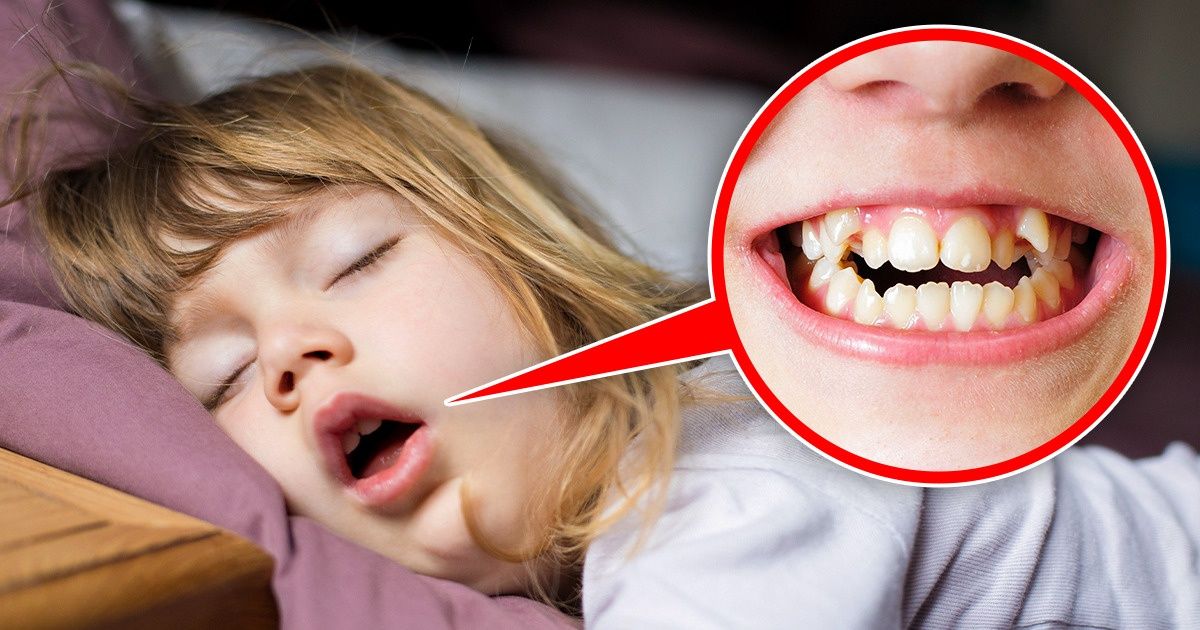
Impact of Mouth Breathing on Kids’ Teeth
Mouth breathing in children is a common but often overlooked condition that can significantly affect oral health, facial development, and overall well-being. While occasional mouth breathing during a cold or allergy is normal, persistent mouth breathing can lead to long-term dental and structural issues. Understanding the Impact of Mouth Breathing on Kids’ Teeth is essential for parents to identify early signs and seek timely treatment.
This guide explains how mouth breathing affects children’s teeth, gums, jaw development, and what steps can help prevent complications.
What Is Mouth Breathing?
Mouth breathing occurs when a child consistently breathes through their mouth instead of their nose. This can happen during the day, at night, or both.
Common causes include:
- Nasal congestion due to allergies or infections
- Enlarged tonsils or adenoids
- Chronic sinus issues
- Habitual breathing patterns
- Structural nasal blockage
If left untreated, mouth breathing can interfere with normal oral and facial development.
How Mouth Breathing Affects Oral Health
Breathing through the mouth changes the natural environment of the oral cavity. Unlike nasal breathing, which helps filter and humidify air, mouth breathing dries out the mouth and disrupts normal saliva function.
This can lead to:
- Dry mouth
- Increased bacterial growth
- Higher risk of tooth decay
- Gum inflammation
- Bad breath
Saliva plays a crucial role in protecting teeth, and reduced saliva due to mouth breathing weakens this defense system.
Increased Risk of Tooth Decay
One of the most significant effects of mouth breathing is an increased risk of cavities.
Why it happens:
- Dry mouth reduces saliva’s protective function
- Food particles and bacteria remain longer on teeth
- Acid buildup increases enamel erosion
Result:
Children who mouth breathe are more likely to develop frequent cavities, even with regular brushing.
Gum Problems and Inflammation
Mouth breathing can also affect gum health.
Common issues include:
- Red, swollen gums
- Gum sensitivity
- Increased risk of gingivitis
- Bleeding gums
Dry oral conditions create an environment where harmful bacteria thrive, leading to gum irritation and infection.
Dental Alignment Issues
Chronic mouth breathing can affect how the teeth and jaw develop.
Possible effects:
- Narrow dental arches
- Crooked or crowded teeth
- Open bite (front teeth not touching properly)
- Misaligned bite (malocclusion)
The position of the tongue and lips changes during mouth breathing, influencing tooth alignment over time.
Changes in Facial Growth
Mouth breathing does not only affect teeth—it also impacts facial structure.
Common facial changes include:
- Long, narrow face
- Open mouth posture
- Receding chin
- Poor lip seal
- Underdeveloped jaw structure
These changes are often referred to as “adenoid face” in severe cases.
Speech Development Problems
Proper nasal breathing supports normal oral muscle function, which is important for speech development.
Mouth breathing may lead to:
- Difficulty pronouncing certain sounds
- Lisping
- Weak tongue posture
- Delayed speech clarity
These issues can affect communication and confidence in children.
Sleep Problems and Fatigue
Children who mouth breathe often experience poor sleep quality.
Symptoms include:
- Snoring
- Restless sleep
- Dry mouth upon waking
- Daytime tiredness
- Difficulty concentrating
Poor sleep can also affect academic performance and behavior.
Bad Breath (Halitosis)
Dry mouth caused by mouth breathing leads to reduced saliva flow, which allows bacteria to grow more easily.
This results in:
- Persistent bad breath
- Unpleasant taste in the mouth
- Increased plaque buildup
Even with regular brushing, bad breath may persist if mouth breathing continues.
Impact on Bite and Jaw Development
Mouth breathing affects how the jaw grows and functions.
Possible consequences:
- Improper bite alignment
- Jaw imbalance
- Difficulty chewing
- Increased risk of orthodontic problems
Early intervention is important to prevent long-term complications.
Behavioral and Emotional Effects
Children with visible dental or facial changes due to mouth breathing may experience:
- Low self-esteem
- Social discomfort
- Embarrassment about appearance
- Reduced confidence while speaking or smiling
Addressing the root cause can help improve both health and emotional well-being.
When to Suspect Mouth Breathing in Children
Parents should watch for signs such as:
- Frequent open-mouth posture
- Snoring during sleep
- Dry lips and mouth
- Chronic bad breath
- Crooked or crowded teeth
- Daytime fatigue
- Speech issues
Early detection helps prevent long-term damage.
How Mouth Breathing Is Diagnosed
A dentist or ENT specialist may evaluate:
- Breathing patterns
- Nasal airway health
- Dental alignment
- Jaw development
- Sleep behavior
In some cases, imaging or sleep studies may be recommended.
Treatment Options for Mouth Breathing
Treatment depends on the underlying cause.
Common approaches include:
1. Medical treatment
- Allergy management
- Treatment of sinus infections
- Nasal sprays or medications
2. Surgical options (if needed)
- Removal of enlarged adenoids or tonsils
- Correction of nasal obstructions
3. Orthodontic treatment
- Expanding narrow dental arches
- Correcting bite alignment
- Guiding jaw development
4. Myofunctional therapy
- Exercises to improve tongue posture
- Training nasal breathing habits
- Strengthening facial muscles
How Parents Can Help at Home
Parents can support healthy breathing habits by:
- Encouraging nasal breathing
- Treating allergies promptly
- Maintaining good oral hygiene routines
- Monitoring sleep patterns
- Scheduling regular dental checkups
- Promoting hydration
Early action can prevent complications.
Importance of Early Intervention
The earlier mouth breathing is addressed, the better the outcome. Children’s bones and facial structures are still developing, making early correction more effective and less invasive.
Without treatment, long-term issues may require orthodontic or surgical correction later in life.
At Kids Dentist UAE, patients receive expert care in pediatric dentistry and children’s oral health, led by experienced specialist Dr. Suhel Dabawala. The focus is on gentle, child-friendly dental care using advanced techniques to ensure comfort and a positive experience for every child. Services include preventive care, restorative treatments, and complete oral health support tailored to children’s needs. With a strong emphasis on safety, comfort, and personalized attention, Kids Dentist UAE is dedicated to building healthy and confident smiles for the future.
Book your appointment today
Related Posts