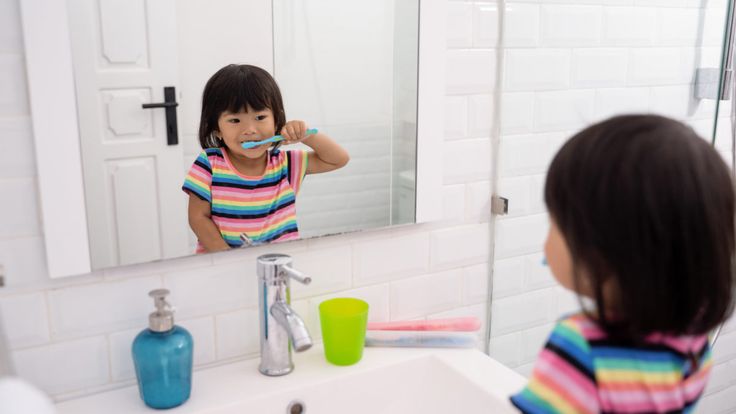
Good oral hygiene habits begin in childhood. The routines children develop during their early years…
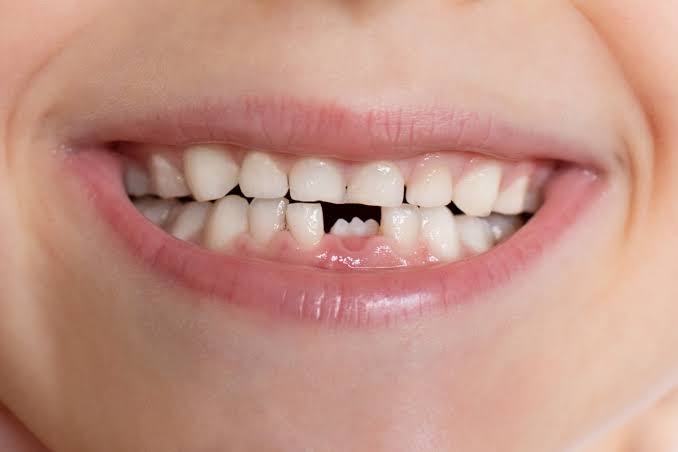
Understanding the Transition From Baby Teeth to Adult Teeth
The transition from baby teeth to adult teeth is one of the most important stages of a child’s oral development. It is a gradual process that usually begins around the age of six and continues into the early teenage years. During this time, children experience changes in their teeth, jaws, and bite, making proper dental care and regular check-ups essential.
Understanding the Transition From Baby Teeth to Adult Teeth helps parents know what to expect during each stage of development and how to support healthy, lifelong oral health.
Why Baby Teeth Are Important
Although baby teeth are temporary, they play a significant role in a child’s growth and development. They help children:
- Chew food properly
- Speak clearly
- Maintain space for permanent teeth
- Support normal jaw development
- Develop healthy eating habits
Healthy baby teeth also guide adult teeth into their correct positions, reducing the risk of alignment problems later in life.
When Do Baby Teeth Appear?
Most children begin teething between 6 and 12 months of age. By the time they are about 3 years old, they usually have a complete set of 20 baby teeth.
The order and timing of tooth eruption may vary, but this is generally considered a normal part of development.
When Does the Transition Begin?
The transition to permanent teeth usually starts around 6 years of age. The first baby teeth to loosen are often the lower front teeth, followed by the upper front teeth.
At the same time, the first permanent molars usually emerge behind the baby teeth without replacing any existing tooth. These molars are important for chewing and should receive special attention during brushing.
How Baby Teeth Fall Out
As permanent teeth develop beneath the gums, they gradually dissolve the roots of the baby teeth. This process causes the baby teeth to loosen naturally until they eventually fall out.
Parents should allow loose baby teeth to fall out on their own whenever possible. Pulling them too early may cause discomfort or affect the underlying permanent tooth.
Eruption of Permanent Teeth
Permanent teeth usually emerge in a predictable sequence.
The process generally includes:
- Front teeth replacing baby teeth
- Premolars replacing baby molars
- Permanent canines erupting
- Second molars appearing during early adolescence
Most children have 28 permanent teeth by their early teenage years. Wisdom teeth may appear later in the late teens or early adulthood.
Common Changes During the Transition
As children lose baby teeth and gain permanent teeth, parents may notice several normal changes, including:
- Loose teeth
- Small gaps between teeth
- Temporary crowding
- Mild discomfort during tooth eruption
- Slight changes in bite
These changes are often part of normal dental development and usually improve as more permanent teeth erupt.
Caring for Teeth During the Transition
Good oral hygiene is especially important during this stage because both baby and permanent teeth are present.
Children should:
- Brush twice a day using fluoride toothpaste
- Floss daily once teeth touch
- Drink plenty of water
- Limit sugary snacks and beverages
- Visit the dentist regularly
Healthy habits help protect newly erupted permanent teeth from cavities.
The Importance of Nutrition
A balanced diet supports strong teeth and healthy jaw development.
Foods that promote oral health include:
- Milk, yogurt, and cheese
- Leafy green vegetables
- Fresh fruits
- Lean proteins
- Whole grains
Calcium, phosphorus, and vitamin D are particularly important for developing strong teeth.
Common Concerns Parents May Notice
During the transition, parents may observe:
- Permanent teeth appearing behind baby teeth
- Delayed tooth eruption
- Crowded teeth
- Teeth erupting at unusual angles
- Mild discomfort or tenderness
Many of these situations are normal, but regular dental evaluations help determine whether treatment is necessary.
Monitoring Tooth Alignment
As adult teeth appear, dentists monitor how they align within the mouth.
They evaluate:
- Bite development
- Tooth spacing
- Jaw growth
- Signs of crowding
Early identification of alignment concerns allows timely planning if orthodontic treatment becomes necessary.
The Role of Regular Dental Check-Ups
Routine dental visits are essential throughout the transition from baby teeth to permanent teeth.
These appointments help:
- Monitor tooth eruption
- Detect cavities early
- Evaluate jaw development
- Provide preventive treatments such as fluoride applications or sealants
- Reinforce proper brushing and flossing techniques
Regular check-ups help ensure healthy development at every stage.
Supporting Children Through the Transition
Parents can make this period easier by:
- Encouraging good brushing habits
- Explaining that losing teeth is a normal part of growing up
- Providing healthy snacks
- Avoiding excessive sugary foods
- Celebrating milestones like the first lost tooth
Positive encouragement helps children feel confident during these changes.
When to Seek Professional Advice
Parents should arrange a dental evaluation if they notice:
- Baby teeth not becoming loose long after expected
- Permanent teeth failing to appear
- Persistent tooth pain
- Significant crowding
- Swollen or bleeding gums
- Teeth damaged by injury
Early assessment can prevent future complications and support healthy dental development.
At Kids Dentist UAE, patients receive expert care in pediatric dentistry and children’s oral health, led by experienced specialist Dr. Suhel Dabawala. The focus is on gentle, child-friendly dental care using advanced techniques to ensure comfort and a positive experience for every child. Services include preventive care, restorative treatments, and complete oral health support tailored to children’s needs. With a strong emphasis on safety, comfort, and personalized attention, Kids Dentist UAE is dedicated to building healthy and confident smiles for the future.
Book your appointment today
Related Posts