Regular dental visits are an important part of maintaining children's overall health. Children may not…
How Long Should Kids Brush Their Teeth?
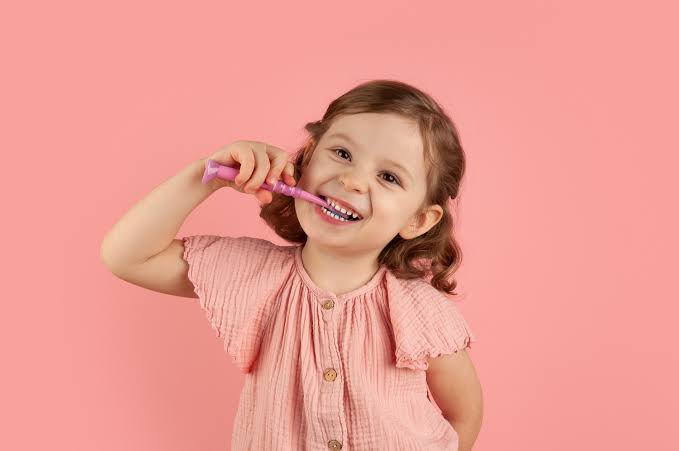
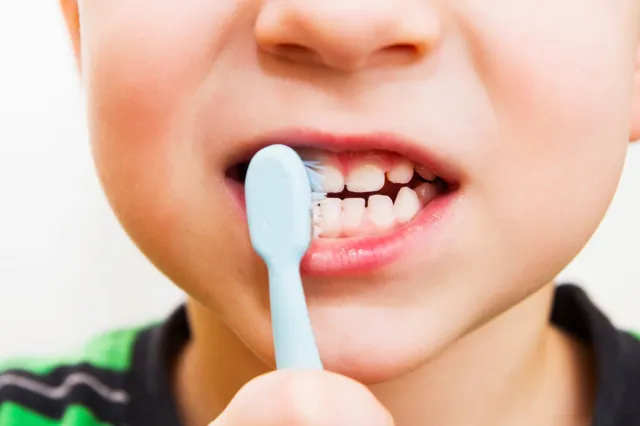
Good oral hygiene habits start early in life, and brushing time plays a major role in keeping children’s teeth healthy. Many parents focus on brushing frequency, but the duration of brushing is equally important. Understanding How Long Should Kids Brush Their Teeth helps ensure proper cleaning, cavity prevention, and long-term dental health.
Children’s teeth are more prone to decay because enamel is thinner and brushing skills are still developing. That is why both technique and timing must be carefully guided.
Recommended Brushing Time for Kids
Dental professionals generally recommend that children brush their teeth for two minutes, twice a day. This guideline applies to most age groups, including school-age children and pre-teens.
Two minutes may seem short, but it is the ideal time needed to thoroughly clean all surfaces of the teeth, including front, back, and chewing areas. Brushing for less time may leave behind plaque and food particles, increasing the risk of cavities and gum problems.
Why Two Minutes Matters
Plaque is a sticky layer of bacteria that forms on teeth throughout the day. It cannot be removed effectively with a quick brush. A full two-minute brushing routine allows enough time to break down and remove plaque from all areas of the mouth.
When children brush for less than the recommended time, certain areas—especially back teeth—are often missed. These are the areas most vulnerable to decay, making proper brushing duration essential.
Breaking Down the Two Minutes
To make brushing easier for children, the two-minute rule can be divided into four 30-second sections:
- Upper right teeth – 30 seconds
- Upper left teeth – 30 seconds
- Lower right teeth – 30 seconds
- Lower left teeth – 30 seconds
This method ensures balanced cleaning and helps children understand how to distribute their brushing time evenly.
How to Make Brushing Fun for Kids
Many children lose interest before completing two minutes of brushing. Making the process engaging helps them stay consistent.
Some effective ways include:
- Using a fun timer or sand clock
- Playing a two-minute song
- Using electric toothbrushes with built-in timers
- Turning brushing into a game or challenge
These techniques help children develop a habit without feeling pressured.
Role of Parents in Brushing Time
For younger children, parental supervision is essential. Kids under the age of 6–7 often do not have the coordination to brush effectively on their own.
Parents should guide brushing, ensure all teeth are covered, and confirm that the full two-minute duration is completed. As children grow older, supervision can gradually reduce, but occasional checks are still helpful.
Why Rushing Brushing Can Harm Teeth
When children brush too quickly, plaque remains on teeth and along the gumline. Over time, this can lead to:
- Cavities
- Gum inflammation
- Bad breath
- Staining of teeth
Rushed brushing is one of the most common reasons for dental issues in children, even when brushing is done twice daily.
Toothbrush Type and Brushing Time
The type of toothbrush can influence how easily children meet the two-minute guideline.
Electric toothbrushes often include built-in timers and automatic alerts that encourage proper brushing duration. This can be especially helpful for younger children who struggle with time awareness.
Manual toothbrushes can also be effective, but they require more parental involvement or external timing tools.
When to Start Timing Brushing
Timing brushing should begin as soon as a child starts brushing independently, usually around age 3 to 4 with supervision.
At first, children may not understand the concept of time, but using songs, timers, or counting methods helps them gradually learn the routine. By school age, most children should be able to complete the full two minutes with minimal assistance.
Morning and Night Brushing Importance
Brushing time is not just about duration but also consistency. Children should brush:
- In the morning – to remove bacteria that build up overnight
- Before bed – to remove food particles and plaque from the day
Nighttime brushing is especially important because saliva production decreases during sleep, making teeth more vulnerable to decay.
Common Mistakes Parents Should Avoid
Some common mistakes that reduce brushing effectiveness include:
- Letting children stop brushing early
- Not supervising young children
- Focusing only on brushing frequency, not duration
- Allowing distracted brushing (e.g., watching TV while brushing)
Avoiding these habits ensures better oral hygiene results.
Encouraging Lifelong Healthy Habits
Teaching children to brush for the correct duration builds lifelong habits. When children learn early that brushing requires time and attention, they are more likely to maintain proper oral care as adults.
Consistent habits reduce the risk of dental problems and promote confidence in their smile
At Kids Dentist UAE, patients receive expert care in pediatric dentistry and children’s oral health, led by experienced specialist Dr. Suhel Dabawala. The focus is on gentle, child-friendly dental care using advanced techniques to ensure comfort and a positive experience for every child. Services include preventive care, restorative treatments, and complete oral health support tailored to children’s needs. With a strong emphasis on safety, comfort, and personalized attention, Kids Dentist UAE is dedicated to building healthy and confident smiles for the future.
Book your appointment today
Related Posts