Preventive healthcare is one of the most effective ways to maintain long-term health and reduce…

How Diet Affects Kids’ Teeth
A child’s diet plays a major role in the development, strength, and long-term health of their teeth. From the moment the first tooth appears, what a child eats and drinks can either support strong enamel or contribute to dental problems such as cavities, sensitivity, and gum issues. Understanding how diet affects kids’ teeth is essential for parents who want to ensure proper oral health from an early age.
Modern dental professionals, including those with international expertise such as a Brazilian dentist in Dubai, often emphasize that nutrition is just as important as brushing and flossing when it comes to preventing dental disease in children. A balanced diet not only supports overall health but also strengthens teeth during their critical growth stages.
The Connection Between Diet and Dental Health
Teeth are constantly exposed to food and drink throughout the day. Every time a child eats, bacteria in the mouth interact with sugars and carbohydrates, producing acids that attack tooth enamel. Over time, repeated acid exposure weakens enamel and leads to cavities.
Children are especially vulnerable because their enamel is softer compared to adults, making it easier for decay to develop. This is why dietary habits formed in childhood have a long-lasting impact on oral health.
How Sugar Affects Kids’ Teeth
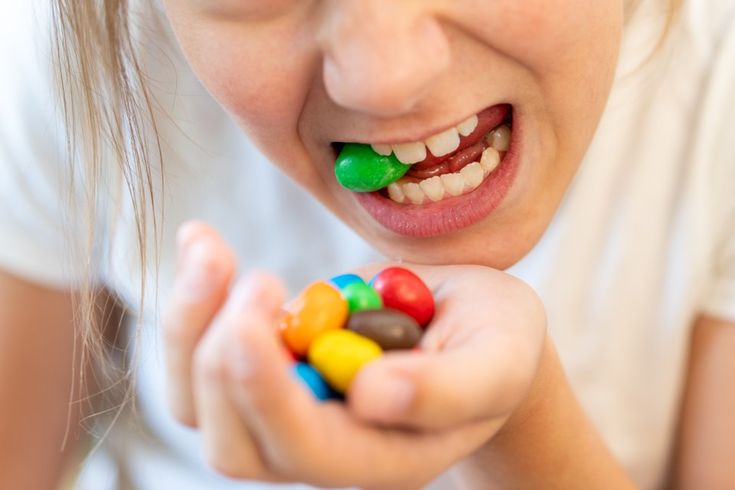
Sugar is one of the biggest contributors to tooth decay in children. When sugary foods and drinks are consumed, bacteria in the mouth feed on these sugars and produce acids. These acids gradually erode enamel and create small holes in the teeth known as cavities.
Common sources of hidden sugar include:
- Soft drinks and packaged juices
- Candies and chocolates
- Flavored yogurts
- Breakfast cereals
- Baked goods and desserts
Frequent snacking on sugary foods increases the risk of decay because teeth are exposed to acid attacks repeatedly throughout the day without enough recovery time.
Acidic Foods and Enamel Erosion
Apart from sugar, acidic foods and beverages also play a major role in damaging kids’ teeth. Acid weakens enamel directly, making teeth more sensitive and prone to wear.
Examples of acidic items include:
- Citrus fruits like oranges and lemons
- Carbonated drinks
- Sports and energy drinks
- Pickled foods
While these foods can be part of a healthy diet in moderation, excessive consumption can lead to enamel erosion over time.
The Role of Calcium and Essential Nutrients
Just as certain foods harm teeth, others help strengthen them. Calcium, phosphorus, and vitamin D are essential nutrients that support strong teeth and bones.
Foods that benefit children’s dental health include:
- Milk and dairy products like cheese and yogurt
- Leafy green vegetables
- Eggs
- Nuts and seeds
- Fish rich in vitamin D
Cheese is particularly beneficial because it helps neutralize acids in the mouth and promotes saliva production, which naturally cleans the teeth.
Sticky and Starchy Foods: Hidden Risks
Sticky foods tend to cling to teeth for longer periods, increasing the risk of decay. Even if they are not highly sugary, their texture allows bacteria to remain active for extended time.
Examples include:
- Gummies and sticky candies
- Dried fruits
- Chips and refined starches
These foods are more harmful when consumed frequently between meals without proper oral hygiene.
Importance of Meal Timing
It is not just what children eat, but also how often they eat that matters. Frequent snacking keeps the mouth in a constant acidic state, reducing the natural recovery time for enamel.
Best practices include:
- Limiting snacks between meals
- Encouraging structured meal times
- Avoiding sugary snacks before bedtime
- Drinking water after eating to wash away food particles
This helps maintain a healthier oral environment and reduces cavity risk.
Hydration and Its Impact on Oral Health
Water is one of the most important elements for maintaining healthy teeth. It helps wash away food debris, neutralize acids, and maintain saliva flow. Saliva plays a protective role by strengthening enamel and preventing bacterial growth.
Encouraging children to drink water instead of sugary beverages is one of the simplest yet most effective ways to protect their teeth.
Early Dental Habits and Prevention
Diet alone does not determine dental health, but it works together with good oral hygiene habits. Brushing twice daily with fluoride toothpaste and regular dental check-ups are essential in preventing decay.
Early dental education helps children understand the importance of healthy eating and proper brushing techniques. Many dental experts stress that preventive care is far more effective than treating problems after they develop.
Long-Term Effects of Poor Diet on Teeth
Poor dietary habits during childhood can lead to long-term dental problems, including:
- Frequent cavities
- Weak enamel structure
- Tooth sensitivity
- Misalignment due to early tooth loss
- Higher risk of gum disease in adulthood
Once enamel is damaged, it cannot regenerate naturally, making prevention extremely important.
At Kids Dentist UAE, patients receive expert care in pediatric dentistry and children’s oral health, led by experienced specialist Dr. Suhel Dabawala. The focus is on gentle, child-friendly dental care using advanced techniques to ensure comfort and a positive experience for every child. Services include preventive care, restorative treatments, and complete oral health support tailored to children’s needs. With a strong emphasis on safety, comfort, and personalized attention, Kids Dentist UAE is dedicated to building healthy and confident smiles for the future.
Book your appointment today
Related Posts