Maintaining healthy teeth starts with proper nutrition, and one of the most essential nutrients for…

Teething and Sleep Problems in Babies
Teething is a normal part of early childhood development, but it can temporarily affect a baby’s comfort, mood, feeding, and sleep. As teeth begin to emerge through the gums, some babies become more unsettled at bedtime or wake more frequently during the night. Understanding the connection between teething and sleep problems in babies can help parents provide appropriate comfort while maintaining healthy sleep and oral hygiene routines.
The timing and severity of teething symptoms vary from one baby to another. Some children experience very little discomfort, while others may become more irritable during periods of tooth eruption.
How Teething Can Affect Sleep
Teething can cause tenderness or soreness in the gums. When a baby lies down to sleep, normal distractions are reduced, which may make discomfort more noticeable.
A baby who usually sleeps well may temporarily take longer to settle, wake during the night, or require additional comfort. Some babies may also become more restless during naps.
These changes are generally temporary and may improve once the tooth has moved through the gum.
Common Signs of Teething
Babies can show several signs while teething. Common symptoms include increased drooling, a desire to chew, swollen or tender gums, and increased irritability.
Some babies may also rub their gums or cheeks and have changes in feeding behavior. Drooling can cause irritation around the mouth and chin, which may add to discomfort.
Not every symptom that occurs during the teething period is necessarily caused by teething. Parents should consider the child’s overall health and behavior.
Night-Time Gum Discomfort
Gum tenderness can make it more difficult for some babies to settle at night. A baby may fall asleep normally but wake after a shorter period because of discomfort.
Gentle gum massage with a clean finger may provide temporary relief. A cool, age-appropriate teething ring can also provide soothing pressure.
Teething products should always be used according to their safety instructions and under appropriate supervision. Frozen teethers should generally be avoided because they can become excessively hard and may injure delicate gums.
Maintaining a Consistent Bedtime Routine
When a baby is uncomfortable, it can be tempting to change the entire sleep routine. However, maintaining familiar bedtime habits can provide reassurance.
A consistent sequence such as bathing, changing, feeding as appropriate, quiet interaction, and settling can help signal that it is time to sleep.
Parents can provide additional comfort during periods of teething without creating major changes to the baby’s usual sleep environment. Keeping the room comfortable and reducing unnecessary stimulation may also support settling.
Comfort Measures Before Bedtime
Simple comfort measures can sometimes help a baby settle before sleep. Parents may gently massage the gums with a clean finger or offer an appropriate chilled teething toy before bedtime.
A clean, cool washcloth may also be suitable for babies who are developmentally ready to hold and chew safely on one under supervision.
Drooling should be managed by gently patting the skin around the mouth dry. Excess moisture can sometimes cause irritation and make the baby less comfortable.
Safe Teething Practices
Parents should be cautious about products or home remedies marketed as natural teething treatments. Some may not be safe for infants.
Avoid placing alcohol, essential oils, or unapproved substances on the gums. Teething necklaces and bracelets can also pose choking or strangulation hazards.
Any teething toy should be made specifically for babies, should not contain small detachable parts, and should be checked regularly for damage.
Feeding and Sleep During Teething
Some babies may temporarily feed differently while their gums are tender. Breastfeeding or bottle-feeding may sometimes become more difficult because sucking can feel uncomfortable.
Parents should continue offering appropriate feeds and monitor hydration. If a baby consistently refuses feeds, has fewer wet diapers, appears unusually sleepy, or shows other signs of dehydration, medical advice should be sought promptly.
For babies who have started solid foods, parents should follow developmentally appropriate feeding practices and avoid introducing unsafe foods simply to provide something to chew.
Teething Does Not Explain Every Sleep Problem
Sleep disruption can occur for many reasons during infancy. Developmental changes, illness, changes in routine, hunger, environmental factors, and emerging sleep patterns can all influence nighttime waking.
Although teething may contribute to temporary sleep disruption, significant or prolonged sleep problems should not automatically be attributed to teething.
Parents should consider other possible causes if sleep difficulties continue after the expected period of tooth eruption.
Signs That Need Medical Attention
Mild gum discomfort and irritability can occur during teething, but certain symptoms should not simply be assumed to be caused by emerging teeth.
A high fever, repeated vomiting, significant diarrhea, breathing problems, unusual lethargy, persistent refusal to feed, signs of dehydration, or other concerning symptoms require medical evaluation.
Parents should also seek professional advice if they are unsure whether their baby’s symptoms are related to teething or another illness.
Protecting Sleep and Oral Health
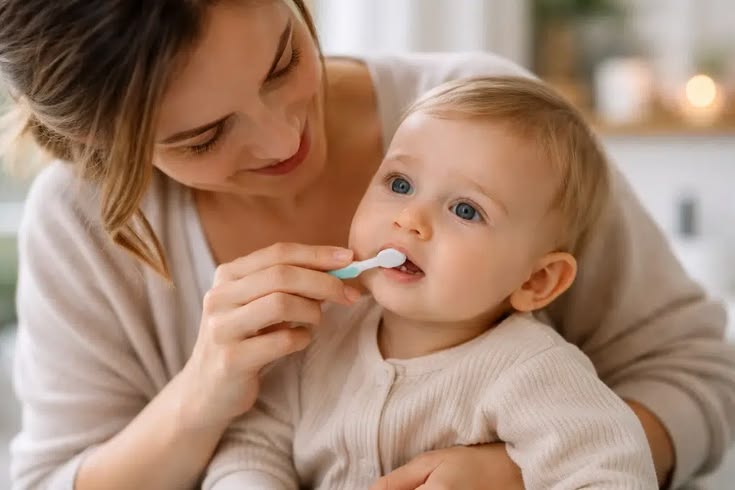
Once the first tooth appears, regular brushing should become part of the baby’s routine. A small, soft-bristled toothbrush and an age-appropriate amount of fluoride toothpaste can help protect newly erupted teeth.
Keeping bedtime brushing consistent is particularly useful because nighttime is a prolonged period when food or milk residue can remain around the teeth.
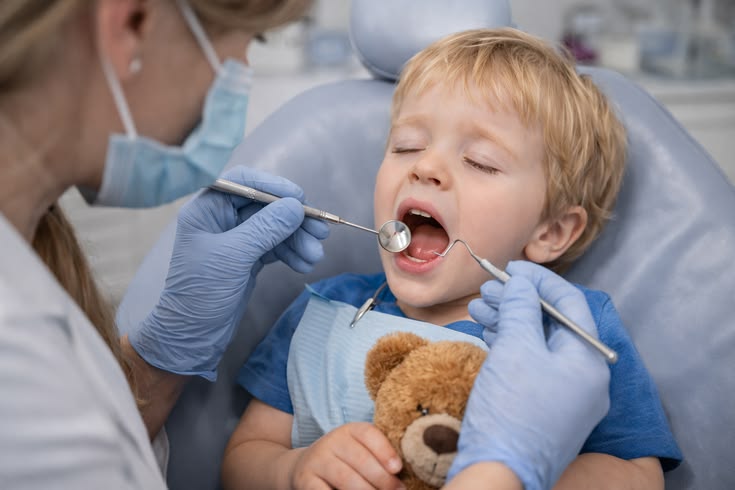
Early dental visits can also help parents understand appropriate oral hygiene, feeding habits, fluoride use, and teething-related concerns.
At Kids Dentist UAE, patients receive expert care in pediatric dentistry and children’s oral health, led by experienced specialist Dr. Suhel Dabawala. The focus is on gentle, child-friendly dental care using advanced techniques to ensure comfort and a positive experience for every child. Services include preventive care, restorative treatments, and complete oral health support tailored to children’s needs. With a strong emphasis on safety, comfort, and personalized attention, Kids Dentist UAE is dedicated to building healthy and confident smiles for the future.
Book your appointment today
Related Posts