Maintaining healthy teeth starts with proper nutrition, and one of the most essential nutrients for…

Supporting Healthy Dental Growth in Children
A child’s oral health begins long before their permanent teeth appear. Healthy dental development depends on proper nutrition, good oral hygiene, regular dental care, and positive daily habits established from an early age. Understanding Supporting Healthy Dental Growth in Children helps parents create a strong foundation for lifelong oral health while reducing the risk of cavities, gum disease, and future dental problems.
Every stage of childhood—from infancy through adolescence—plays an important role in the development of healthy teeth, gums, and jaws. With the right care and guidance, children can enjoy healthy smiles that last a lifetime.
Why Healthy Dental Growth Matters
Healthy teeth are essential for more than just a beautiful smile. Proper dental development helps children:
- Chew food comfortably
- Speak clearly
- Maintain proper jaw growth
- Guide permanent teeth into position
- Develop healthy eating habits
- Build confidence and self-esteem
Strong baby teeth also create the foundation for healthy permanent teeth.
Supporting Healthy Dental Growth in Children
1. Start Oral Care Early
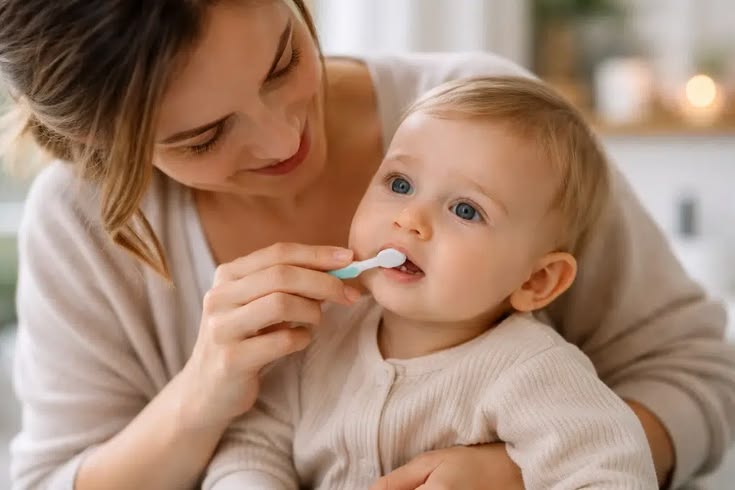
One of the best ways of Supporting Healthy Dental Growth in Children is to begin oral care before the first tooth appears.
Parents can:
- Clean the baby’s gums with a soft, damp cloth after feedings.
- Begin brushing as soon as the first tooth erupts.
- Use a soft-bristled infant toothbrush.
- Follow your dentist’s recommendations and local health guidelines regarding the appropriate amount of fluoride toothpaste.
Early oral care helps reduce bacteria and introduces children to healthy routines.
Encourage Proper Brushing Habits
Brushing removes plaque and food particles that can cause tooth decay.
Children should:
- Brush twice every day.
- Brush for at least two minutes.
- Clean all tooth surfaces.
- Brush gently along the gumline.
- Brush before bedtime every night.
Parents should supervise brushing until children can brush effectively on their own, often around 7 or 8 years of age.
Introduce Daily Flossing
Once two teeth begin touching, flossing becomes important.
Daily flossing helps:
- Remove plaque between teeth
- Prevent cavities in hard-to-reach areas
- Keep gums healthy
- Reduce the risk of gum disease
Parents can assist younger children until they develop the necessary coordination.
Provide a Balanced Diet
Healthy nutrition plays a major role in dental development.
Foods that support healthy teeth include:
- Milk, cheese, and yogurt
- Leafy green vegetables
- Fresh fruits
- Lean proteins
- Eggs
- Whole grains
- Nuts and seeds (when age-appropriate)
These foods provide important nutrients such as calcium, phosphorus, and vitamin D that support strong teeth and bones.
Limit Sugary Foods and Drinks
Frequent sugar consumption increases the risk of cavities.
Try to limit:
- Candy
- Soft drinks
- Sugary juices
- Sticky snacks
- Sweetened cereals
- Frequent sugary treats between meals
Encourage water as the primary drink throughout the day.
Encourage Healthy Drinking Habits
Water helps maintain oral health by:
- Washing away food particles
- Supporting saliva production
- Reducing acid buildup
- Helping protect tooth enamel
If fluoridated water is available in your community, it may provide additional protection against tooth decay.
Schedule Regular Dental Check-Ups
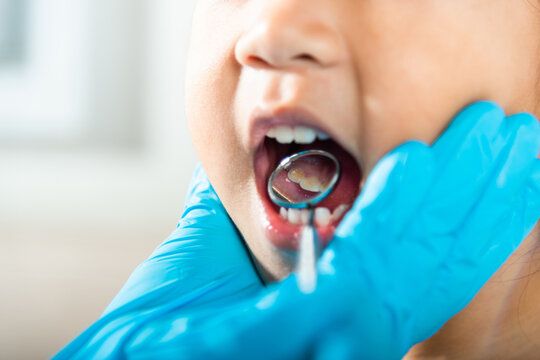
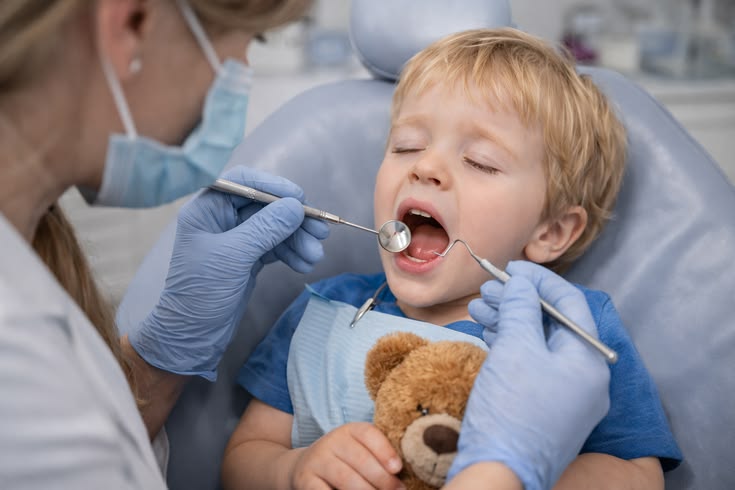
Routine dental visits allow dentists to monitor your child’s oral development and identify problems early.
Regular check-ups may include:
- Dental examinations
- Professional cleanings
- Fluoride treatments when appropriate
- Dental sealants for eligible children
- Monitoring tooth eruption
- Oral hygiene guidance
The first dental visit should ideally occur by the child’s first birthday or within six months after the first tooth erupts.
Protect Teeth During Sports
Children who participate in contact sports should wear a properly fitted mouthguard.
A mouthguard helps prevent:
- Broken teeth
- Jaw injuries
- Soft tissue injuries
- Dental emergencies
Ask your dentist about custom-fitted mouthguards for optimal protection.
Prevent Harmful Oral Habits
Certain habits may affect dental development if they continue for a prolonged period.
Examples include:
- Thumb sucking
- Prolonged pacifier use
- Nail biting
- Chewing on hard objects
- Teeth grinding (bruxism)
If these habits persist beyond the recommended age or appear to affect tooth alignment, consult your dentist for guidance.
Support Healthy Jaw Development
Healthy jaw growth is influenced by several factors, including:
- Proper chewing
- Balanced nutrition
- Healthy breathing patterns
- Timely management of dental issues
- Regular dental evaluations
Early identification of bite or jaw concerns can help prevent more complex problems later.
Teach Good Oral Hygiene Through Example
Children often learn by watching their parents.
You can encourage healthy habits by:
- Brushing together as a family
- Making brushing fun
- Using positive encouragement
- Reading books about dental care
- Celebrating healthy routines
Positive experiences help children develop lifelong oral hygiene habits.
Watch for Signs of Dental Problems
Parents should contact a dentist if they notice:
- White, brown, or black spots on teeth
- Tooth pain or sensitivity
- Swollen or bleeding gums
- Persistent bad breath
- Difficulty chewing
- Loose permanent teeth
- Broken or chipped teeth
Early treatment can prevent more serious complications.
Healthy Habits for Every Stage
To support healthy dental growth, encourage your child to:
- Brush twice daily with fluoride toothpaste.
- Floss every day once teeth touch.
- Eat a balanced diet.
- Drink plenty of water.
- Limit sugary snacks and drinks.
- Attend regular dental check-ups.
- Wear a mouthguard during sports when appropriate.
- Replace toothbrushes every three to four months.
Small daily habits have a lasting impact on oral health.
Common Mistakes to Avoid
Parents can help protect their child’s teeth by avoiding:
- Delaying the start of brushing.
- Skipping bedtime brushing.
- Allowing children to brush without supervision too early.
- Frequent sugary snacks.
- Putting babies to bed with bottles containing milk or juice.
- Missing routine dental visits.
Being proactive helps prevent many common dental problems.
At Kids Dentist UAE, patients receive expert care in pediatric dentistry and children’s oral health, led by experienced specialist Dr. Suhel Dabawala. The focus is on gentle, child-friendly dental care using advanced techniques to ensure comfort and a positive experience for every child. Services include preventive care, restorative treatments, and complete oral health support tailored to children’s needs. With a strong emphasis on safety, comfort, and personalized attention, Kids Dentist UAE is dedicated to building healthy and confident smiles for the future.
Book your appointment today
Related Posts