Maintaining healthy teeth starts with proper nutrition, and one of the most essential nutrients for…

Recognizing Normal Changes in Children’s Teeth
As children grow, their teeth go through many natural changes that support healthy oral development. From the appearance of the first baby tooth to the gradual replacement with permanent teeth, each stage is an important part of growing up. Understanding Recognizing Normal Changes in Children’s Teeth helps parents know what to expect, identify healthy developmental milestones, and recognize when a dental evaluation may be needed.
While every child develops at their own pace, most dental changes follow a predictable pattern. Knowing these changes can help parents care for their child’s smile with confidence.
Why Do Children’s Teeth Change?
A child’s teeth change as their mouth, jaw, and facial bones develop. Baby teeth gradually make way for permanent teeth, allowing the mouth to grow and support adult chewing, speaking, and smiling.
These changes are a normal part of childhood and usually occur over several years.
Recognizing Normal Changes in Children’s Teeth
1. Teething During Infancy
One of the earliest stages in Recognizing Normal Changes in Children’s Teeth is teething.
Most babies begin teething around 6 months of age, although some may start earlier or later.
Common signs of teething include:
- Increased drooling
- Chewing on toys or fingers
- Mild gum swelling
- Irritability
- Temporary changes in sleep patterns
These symptoms are usually mild and improve once the tooth erupts.
Baby Teeth Erupt Gradually
Most children develop 20 baby teeth by around 3 years of age.
The usual order of eruption is:
- Lower central incisors
- Upper central incisors
- Lateral incisors
- First molars
- Canines
- Second molars
The exact timing varies from child to child and is usually not a cause for concern.
Small Spaces Between Baby Teeth
Parents often worry when they notice gaps between their child’s baby teeth.
In fact, small spaces are completely normal and often beneficial because they provide room for larger permanent teeth to erupt properly.
Children with spacing between baby teeth are not necessarily more likely to have dental problems.
Teeth Becoming Loose
Around the age of 6 years, many children begin losing their baby teeth.
A loose baby tooth usually means:
- The permanent tooth underneath is pushing upward.
- The baby tooth root is gradually dissolving.
- The tooth will naturally fall out.
Children should avoid forcefully pulling loose teeth before they are ready.
Permanent Teeth Begin to Erupt
The first permanent teeth often appear around 6 to 7 years of age.
These include:
- Permanent first molars
- Permanent central incisors
The first permanent molars erupt behind the baby molars without replacing any baby teeth, making regular brushing especially important.
Mixed Dentition Stage
Between approximately 6 and 12 years of age, children usually have both baby teeth and permanent teeth.
During this stage, it is normal to see:
- Loose baby teeth
- Newly erupted permanent teeth
- Small gaps
- Uneven tooth sizes
- Different tooth shapes
This transitional period is known as the mixed dentition stage.
Permanent Teeth May Look More Yellow
Parents sometimes notice that newly erupted permanent teeth appear more yellow than baby teeth.
This is normal because:
- Permanent teeth contain more dentin.
- Baby teeth naturally appear whiter.
The color difference usually becomes less noticeable as more permanent teeth erupt.
Slight Crookedness During Eruption
As permanent teeth emerge, they may initially appear slightly crooked or crowded.
Mild irregularities are common because:
- The jaw continues to grow.
- Teeth gradually move into better positions.
- More permanent teeth are still erupting.
Regular dental monitoring helps ensure healthy alignment.
Changes in Bite
As children lose baby teeth and permanent teeth erupt, their bite naturally changes.
Temporary differences in how the upper and lower teeth meet are often part of normal development.
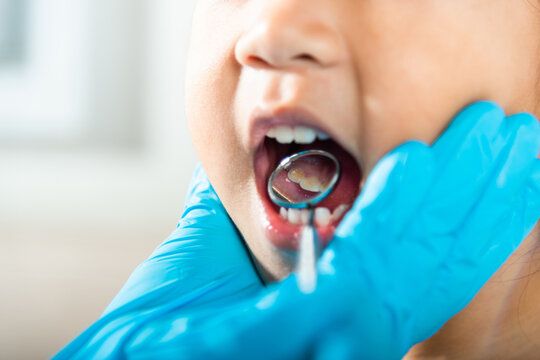
Your dentist will monitor bite development during routine check-ups.
Wisdom Teeth in Late Adolescence
Wisdom teeth typically develop between 17 and 25 years of age.
Some people:
- Develop all four wisdom teeth.
- Develop fewer than four.
- Never develop wisdom teeth at all.
Your dentist may monitor wisdom teeth using routine examinations and dental X-rays.
When Are Dental Changes Not Normal?
Although many dental changes are expected, parents should consult a dentist if they notice:
- Baby teeth that do not loosen long after the permanent tooth appears.
- Significant pain during tooth eruption.
- Persistent swelling or infection.
- Teeth that appear severely crowded.
- Permanent teeth erupting in unusual positions.
- Delayed tooth eruption without explanation.
- Tooth discoloration caused by injury or decay.
Early evaluation can help identify and manage any underlying concerns.
Supporting Healthy Dental Development
Parents can help support healthy dental growth by:
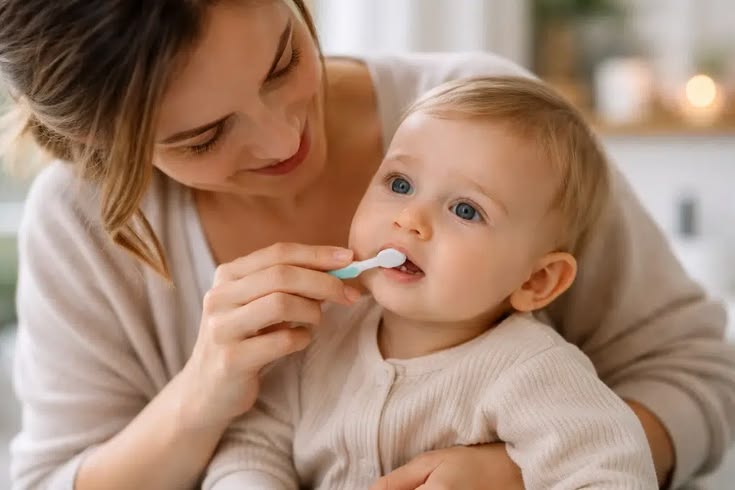
- Brushing their child’s teeth twice daily.
- Using fluoride toothpaste appropriate for the child’s age.
- Flossing once teeth begin touching.
- Providing a balanced, nutritious diet.
- Limiting sugary foods and drinks.
- Encouraging water throughout the day.
- Scheduling regular dental check-ups.
Consistent oral care helps protect both baby and permanent teeth.
Tips for Parents
To help your child through normal dental changes:
- Reassure them that loose teeth are a natural part of growing up.
- Encourage gentle brushing even when teeth are loose.
- Avoid pulling baby teeth prematurely.
- Celebrate milestones like losing the first tooth.
- Continue routine dental visits to monitor development.
Positive experiences help children feel more confident about oral care.
The Importance of Regular Dental Visits
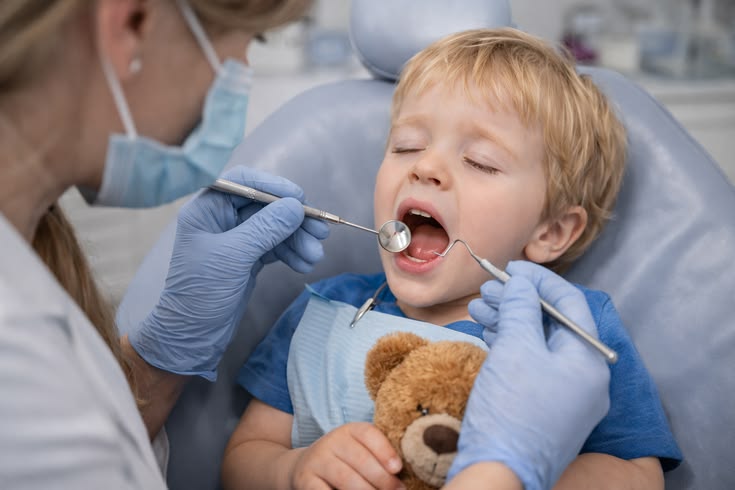
Routine dental examinations allow dentists to:
- Monitor tooth eruption
- Check jaw development
- Identify cavities early
- Assess bite alignment
- Provide preventive care
- Answer parents’ questions about dental development
Regular visits support healthy smiles throughout childhood.
At Kids Dentist UAE, patients receive expert care in pediatric dentistry and children’s oral health, led by experienced specialist Dr. Suhel Dabawala. The focus is on gentle, child-friendly dental care using advanced techniques to ensure comfort and a positive experience for every child. Services include preventive care, restorative treatments, and complete oral health support tailored to children’s needs. With a strong emphasis on safety, comfort, and personalized attention, Kids Dentist UAE is dedicated to building healthy and confident smiles for the future.
Book your appointment today
Related Posts