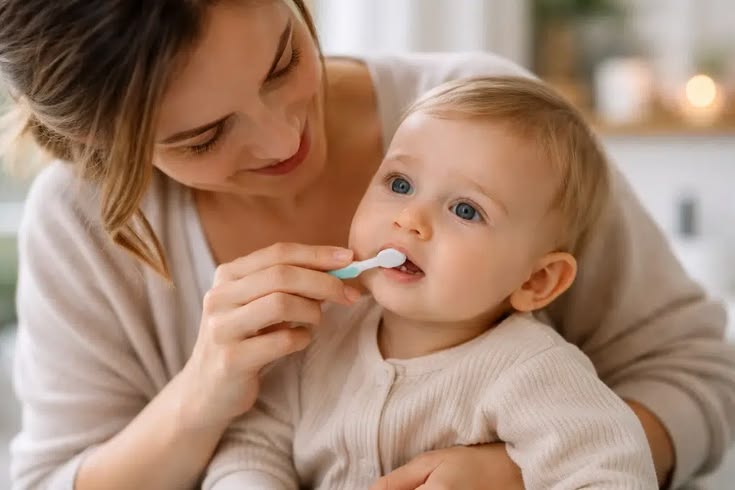
Good oral hygiene begins in childhood, and one of the most important habits parents can…

Nighttime Dental Care Routine for Kids
A nighttime dental care routine for kids is an important part of protecting their teeth and gums from cavities, plaque buildup, and other oral health problems. During the night, saliva production naturally decreases, which means the mouth has less protection against bacteria and acids. Establishing a consistent bedtime oral hygiene routine can help children maintain a healthier smile while developing habits that can last throughout life.
Good nighttime dental care does not need to be complicated. A few simple steps, performed consistently, can make a meaningful difference in a child’s oral health.
Start With a Consistent Bedtime Routine
Children often respond well to predictable routines. Parents can make dental care part of the same sequence every evening, such as bathing, brushing teeth, reading a story, and going to bed.
Keeping the routine consistent helps children understand that brushing is a normal part of preparing for sleep. A regular schedule can also make it easier for parents to ensure that oral hygiene is not skipped when children are tired.
Brush Teeth for About Two Minutes
Brushing is the most important part of a nighttime dental care routine. Children should brush their teeth carefully using an age-appropriate toothbrush and fluoride toothpaste.
The toothbrush should reach the front, back, and chewing surfaces of the teeth, as well as the gumline. Parents may need to supervise or assist younger children because they may not yet have the coordination to brush effectively on their own.
Encouraging children to brush for approximately two minutes can help ensure adequate cleaning. A simple timer, song, or brushing app can make this easier and more enjoyable.
Use the Appropriate Amount of Fluoride Toothpaste
Fluoride helps strengthen tooth enamel and reduce the risk of tooth decay. Parents should use an age-appropriate amount of fluoride toothpaste based on current dental guidance.
Young children should be supervised during brushing to encourage them to spit out toothpaste rather than swallow it. Parents can ask a dental professional for advice about the appropriate toothpaste and amount for their child’s age.
Clean Between the Teeth
Brushing cannot effectively clean every area between the teeth. Once children have teeth that touch each other, cleaning between them becomes an important part of oral hygiene.
Parents can help younger children with flossing or use an appropriate interdental cleaning method recommended by a dental professional. Older children can gradually learn to clean between their own teeth with supervision until they can do it effectively.
Cleaning between teeth before bedtime helps remove plaque and food particles that could otherwise remain in these areas overnight.
Clean the Tongue Gently
The tongue can collect bacteria and food particles. Gently brushing the tongue can help keep the mouth feeling cleaner and may contribute to fresher breath.
Children do not need to scrub the tongue aggressively. Gentle cleaning as part of regular brushing is usually sufficient.
Avoid Sugary Snacks After Brushing
Once teeth have been brushed for the night, children should ideally avoid sugary snacks and drinks before going to sleep. Frequent exposure to sugar can increase the risk of tooth decay.
If a child is thirsty after brushing, water is generally a better choice than sugary drinks. Parents can also establish a clear rule that brushing is the final step after the evening meal or snack.
Be Careful With Bedtime Bottles
For babies and young children, frequent exposure to milk or other drinks during sleep can contribute to tooth decay, particularly when teeth are exposed to sugars for prolonged periods.
Parents should discuss appropriate feeding and oral hygiene practices with a pediatric healthcare or dental professional. Establishing healthy feeding and dental routines early can help protect developing teeth.
Check for Signs of Dental Problems
The bedtime routine can also provide an opportunity for parents to notice changes in their child’s mouth. Look for signs such as tooth discoloration, visible spots, swollen gums, bleeding, mouth sores, or complaints of sensitivity or pain.
Children may not always explain dental symptoms clearly. Changes in eating, sleeping, or behavior may sometimes indicate discomfort.
Persistent or concerning symptoms should be evaluated by a dental professional rather than ignored.
Make Brushing Comfortable and Fun
Some children resist bedtime brushing because they are tired or simply do not enjoy the activity. Parents can make the routine more positive by allowing children to choose an age-appropriate toothbrush, using a favorite brushing song, or brushing together as a family.
Parents should remain patient and encouraging. Avoiding threats or frightening language can help children develop a more positive attitude toward dental care.
Keep Toothbrushes Clean
After brushing, children should rinse their toothbrush and store it upright in a clean, well-ventilated place where it can dry between uses. Toothbrushes should not be routinely shared between family members.
A toothbrush should also be replaced when the bristles become worn or according to dental recommendations. A clean, functional toothbrush helps children maintain effective brushing habits.
Combine Home Care With Dental Visits
Daily dental care is essential, but it does not replace professional dental checkups. Regular dental visits allow professionals to monitor tooth development, identify early signs of decay, provide preventive care, and answer parents’ questions about oral hygiene.
Professional guidance can also be particularly useful when children have crowded teeth, orthodontic concerns, frequent cavities, or difficulty maintaining effective oral hygiene.
Build Healthy Habits From an Early Age
A nighttime dental care routine for kids can become one of the most valuable daily habits parents establish. Brushing with fluoride toothpaste, cleaning between teeth, avoiding sugary foods after brushing, and maintaining regular dental visits can help reduce the risk of common oral health problems.
The goal is to make dental care simple, consistent, and positive. When children learn to care for their teeth every night from an early age, they are more likely to carry these habits into adolescence and adulthood, supporting healthy teeth and gums for years to come.
At Kids Dentist UAE, patients receive expert care in pediatric dentistry and children’s oral health, led by experienced specialist Dr. Suhel Dabawala. The focus is on gentle, child-friendly dental care using advanced techniques to ensure comfort and a positive experience for every child. Services include preventive care, restorative treatments, and complete oral health support tailored to children’s needs. With a strong emphasis on safety, comfort, and personalized attention, Kids Dentist UAE is dedicated to building healthy and confident smiles for the future.
Book your appointment today
Related Posts