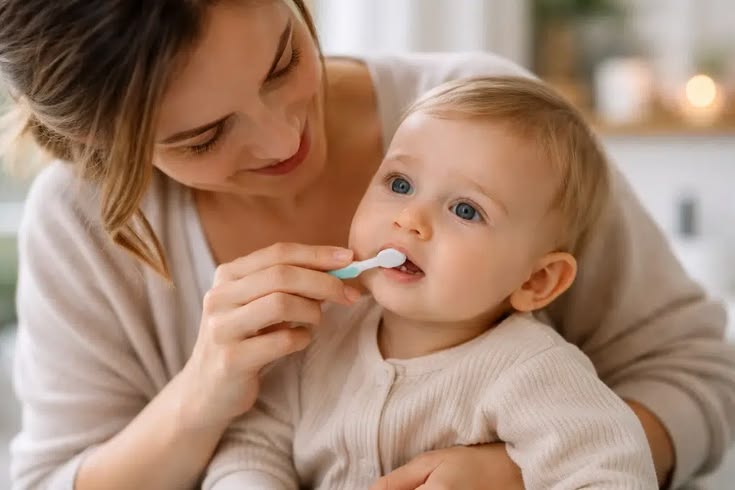
Good oral hygiene begins in childhood, and one of the most important habits parents can…
Best Practices for Healthy Teeth
Healthy teeth are an important part of overall well-being. Good oral health allows children and adults to eat comfortably, speak clearly, and maintain confidence in their smiles. Developing the right dental habits from an early age can help prevent common problems such as cavities, gum disease, bad breath, and tooth sensitivity.
The best practices for healthy teeth involve more than brushing alone. A complete oral care routine includes proper brushing, cleaning between teeth, healthy food choices, regular dental visits, and habits that protect the teeth from unnecessary damage.
Brush Teeth Twice a Day
Brushing twice a day is one of the most important habits for maintaining healthy teeth. Brushing helps remove plaque, food particles, and bacteria that accumulate on tooth surfaces.
Use a soft-bristled toothbrush and fluoride toothpaste, and brush all tooth surfaces gently. Pay attention to the front, back, chewing surfaces, and areas along the gumline.
Children may need supervision or assistance until they develop the coordination needed to brush effectively on their own. Replacing the toothbrush when the bristles become worn can also support effective cleaning.
Clean Between the Teeth
A toothbrush cannot completely clean the spaces between teeth. Plaque and food particles can accumulate in these areas and contribute to cavities and gum problems.
Daily flossing or another appropriate interdental cleaning method can help remove buildup from areas that brushing misses. Parents can help young children with this step until they are able to clean between their teeth independently.
Use Fluoride for Cavity Protection
Fluoride helps strengthen tooth enamel and makes teeth more resistant to acid attacks that can lead to decay. Using fluoride toothpaste as recommended by dental professionals is an important part of cavity prevention.
For young children, parents should use an age-appropriate amount of toothpaste and supervise brushing. A dental professional can provide personalized advice based on the child’s age and oral health needs.
Choose Tooth-Friendly Foods
Diet has a significant influence on dental health. Frequent consumption of sugary foods and drinks can increase the risk of tooth decay because oral bacteria use sugars to produce acids that can damage enamel.
Encourage balanced meals containing vegetables, fruits, whole grains, protein-rich foods, and other nutritious options. Limiting frequent sugary snacks and drinks can help reduce repeated acid exposure.
Water is generally a good everyday drink and can help rinse food particles from the mouth.
Avoid Frequent Sugary Drinks
Sodas, sweetened juices, flavored drinks, and other sugary beverages can contribute to tooth decay, especially when consumed frequently.
Rather than sipping sugary drinks throughout the day, families can encourage water as the main everyday beverage. If children consume sweet foods or drinks, maintaining regular meals and good oral hygiene can help support healthier habits.
Parents should also be aware of hidden sugars in packaged snacks and drinks by checking nutrition labels when appropriate.
Protect Teeth During Sports
Children who participate in contact sports or activities with a risk of facial injury can benefit from appropriate protective equipment. A properly fitted mouthguard can help protect teeth and soft tissues from certain types of injuries.
Parents should discuss suitable mouthguard options with a dental professional, especially when children participate regularly in sports.
Avoid Using Teeth as Tools
Teeth are designed for chewing food, not opening packages, cutting materials, or biting hard objects. Using teeth as tools can cause chips, cracks, or other injuries.
Children should be taught to avoid chewing on hard objects such as pens, pencils, or toys that may damage teeth. These simple precautions can reduce the risk of preventable dental injuries.
Stay Hydrated
Drinking enough water supports general health and can also benefit oral health. Water can help wash away food particles and is a better everyday choice than sugary beverages.
For children, maintaining good hydration is particularly important during physical activity and hot weather. Encouraging regular water consumption can become an easy and healthy family habit.
Maintain Regular Dental Checkups
Regular dental visits are an important part of preventive oral care. Dental professionals can identify early signs of tooth decay, gum problems, enamel concerns, and other oral health conditions.
Routine appointments also provide opportunities for professional cleaning, preventive treatments when appropriate, and guidance about brushing, diet, fluoride, and other aspects of dental care.
Children should not wait until they experience tooth pain before seeing a dentist. Preventive visits can help identify problems before they become more complicated.
Encourage Healthy Habits in Children
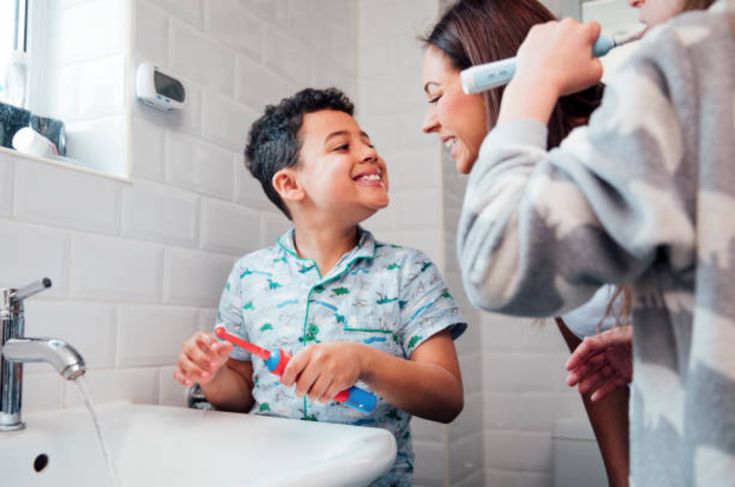
Children often learn by observing their parents and caregivers. Families can encourage healthy teeth by brushing together, maintaining regular meal routines, choosing nutritious foods, and making dental visits a normal part of healthcare.
Parents can make brushing more enjoyable by allowing children to choose a suitable toothbrush or using a timer or favorite song during brushing.
Positive encouragement can help children develop confidence and take greater responsibility for their oral hygiene as they grow.
Pay Attention to Warning Signs
Parents should pay attention to changes in a child’s mouth or behavior. Toothache, sensitivity, persistent bad breath, swollen or bleeding gums, visible spots on teeth, or difficulty eating may indicate an oral health concern.
Early professional evaluation can help determine the cause and prevent a minor issue from becoming more serious.
Build Lifelong Dental Habits
The best practices for healthy teeth are simple but require consistency. Brushing twice a day, cleaning between teeth, using fluoride toothpaste, choosing nutritious foods, limiting frequent sugar exposure, protecting teeth during sports, and attending regular dental checkups can all contribute to good oral health.
When these habits are introduced early and maintained throughout life, they can help reduce the risk of dental problems and support strong, healthy teeth and gums for years to come.
At Kids Dentist UAE, patients receive expert care in pediatric dentistry and children’s oral health, led by experienced specialist Dr. Suhel Dabawala. The focus is on gentle, child-friendly dental care using advanced techniques to ensure comfort and a positive experience for every child. Services include preventive care, restorative treatments, and complete oral health support tailored to children’s needs. With a strong emphasis on safety, comfort, and personalized attention, Kids Dentist UAE is dedicated to building healthy and confident smiles for the future.
Book your appointment today
Related Posts